

Monitor 750
Монсанто Європа С.А., Антверпен, Бельгія
Herbicides
2
1
·
3.9K
1 offer
320.35 €per 1 l
Buy
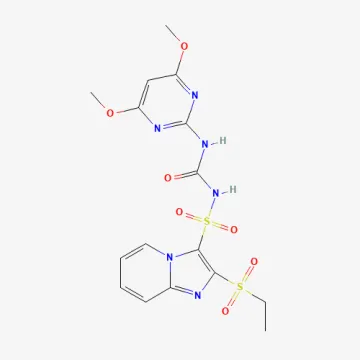
Sulfosulfuron belongs to the chemical class of sulfonylureas. It is a highly effective herbicidal agent that penetrates plants through leaves and the root system.
The mechanism of action is based on the inhibition of the acetolactate synthase (ALS) enzyme. Blocking this enzyme stops the biosynthesis of essential amino acids such as valine, leucine, and isoleucine.
As a result, the weed metabolism is disrupted, and cell division in growth points ceases. The first visual signs of suppression appear within a few days after application.
Complete death of weeds occurs within a few weeks after treatment. Sensitive weeds stop competing with crops for water, light, and nutrients almost immediately after absorbing the active substance.
Due to its systemic action, sulfosulfuron is rapidly distributed throughout the weed, including the root system, which makes it indispensable for controlling perennial rhizomatous species.
Preparations based on sulfosulfuron are used to control a wide range of grass and some broad-leaved weeds in cereal crops.
It is most effective against such hard-to-eradicate species as quackgrass, silky bentgrass, brome, and various wild oat species.
The product shows excellent results in controlling weed infestation in spring and winter wheat, as confirmed by years of agronomic field trials.
Application rates vary depending on the weed species composition, crop development stage, and the level of field infestation.
Typically, application is carried out during the active growth phase of weeds, starting from the appearance of the first true leaves up to the tillering stage of the crop.
The use of the product requires quality surfactants (adjuvants) that improve wetting and penetration of the active ingredient through the waxy cuticle of weeds.
The temperature range during spraying should be between +5 and +25 degrees Celsius, which ensures optimal plant metabolism and herbicide absorption.
It is crucial to monitor application quality to avoid spray drift onto neighboring crops that are sensitive to sulfonylurea herbicides.
Sulfosulfuron possesses high soil activity, which imposes certain restrictions on crop rotation in the following season.
It is not recommended to sow sensitive crops (such as sugar beets, sunflowers, or rapeseed) immediately after treatment without deep plowing or observing a required safety interval.
Using herbicides of this class on cereal crops undersown with legume grasses is prohibited, as it will lead to their destruction.
Treatment should not be carried out if the crop is under stress due to drought, frost, or pest damage, as this reduces effectiveness and increases the risk of phytotoxicity.
When handling the product, it is mandatory to strictly follow the regulations for preparing tank mixtures and use personal protective equipment according to the manufacturer's instructions.
Approved in the EU
EU status is for reference only and does not replace national registration in your country.


