
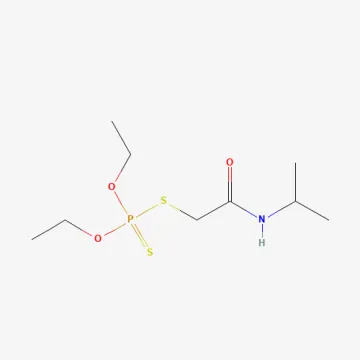
Prothoate
Description
Mode of action
Protoat refers to a collective group of insecticides within the organophosphorus chemical class. They operate by inhibiting the acetylcholinesterase enzyme within the insect's nervous system.
This inhibition leads to the excessive accumulation of neurotransmitters in the synapses, which disrupts normal nerve signaling, causing paralysis and rapid death of the pest.
These compounds typically exhibit systemic and contact-stomach activity, allowing them to penetrate plant tissues and protect the crop from pests feeding on internal parts.
By moving through the plant's vascular system, these insecticides ensure that new growth is also protected for a certain period after the initial treatment.
The group is characterized by high biological efficacy across various environmental conditions, making them a reliable choice for intensive agricultural practices.
What it targets
Insecticides in the Protoat group are used to control a broad range of chewing and sucking pests, including aphids, thrips, mites, bugs, and various beetles.
They are particularly effective against pests that hide in leaf rollers or inside stems, as their systemic action reaches those difficult-to-treat areas.
The group is widely used in field crops, vegetables, and orchards to mitigate population outbreaks that threaten total yield quantity and quality.
They also serve as an important tool in integrated pest management programs, often used to rotate with other chemical classes to slow down resistance development.
Regular monitoring of pest populations is essential to determine the optimal timing for intervention and to ensure the most cost-effective use of these products.
Rates and timing
Application rates generally vary from 0.5 to 1.5 liters per hectare, depending on the specific crop type, pest pressure, and local regional requirements.
Treatment should be applied at the onset of pest infestation, strictly following the established economic threshold to optimize the crop protection strategy.
Proper calibration of spraying equipment is critical to ensure thorough coverage of foliage, which is necessary for achieving the desired level of efficacy.
Application should be avoided during extreme heat or high wind speeds to prevent spray drift and to ensure that the chemical stays on the target area.
Always review the product label for specific compatibility guidelines when mixing with fertilizers or other pesticides to avoid stability issues.
Restrictions
Protoat-based products are highly toxic to honeybees and other beneficial insects; therefore, application during the flowering stage is strictly prohibited.
Operators must wear appropriate personal protective equipment, including respirators, gloves, and protective clothing, to prevent any form of human exposure.
Strict observance of the pre-harvest interval (PHI) is mandatory to ensure that residues in the final harvested produce remain below safety limits.
Storage facilities must be secure, dry, and well-ventilated, ensuring that the containers are kept in their original packaging, away from food and water sources.
In the event of accidental spills, local environmental protocols for containment and decontamination must be followed immediately to protect surrounding ecosystems.
Status in the European Union
Not approved in the EU
- CAS number
- 2275-18-5
- Category (EU)
- AC - Acaricide
EU status is for reference only and does not replace national registration in your country.