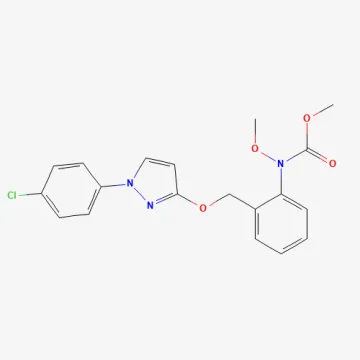
Description
Mode of action
Pyraclostrobin belongs to the strobilurin class of chemicals. It functions as a Qoi (quinone outside inhibitor) by blocking the electron transport chain at the complex III in mitochondria.
The substance possesses excellent translaminar properties, allowing it to move across the leaf tissue to provide protection on both sides of the leaf surface.
Beyond its direct fungicidal activity, pyraclostrobin is recognized for its plant-health benefits, commonly referred to as the physiological effect.
It enhances nitrogen metabolism and photosynthetic efficiency, helping crops remain green and productive for a longer period of time during the season.
These physiological advantages make the plant more resilient against various environmental stressors, ensuring better biomass accumulation and yield potential.
What it targets
Pyraclostrobin is effective against a vast array of plant pathogens including Ascomycetes, Basidiomycetes, Deuteromycetes, and Oomycetes.
Common targets include powdery mildew, rust species, leaf spots, anthracnose, septoria leaf blotch, and various forms of downy mildew.
It is widely applied in major crops such as wheat, corn, soybeans, sugar beets, potatoes, grapes, and diverse vegetable production systems.
The compound is highly valued for both its preventive qualities, which stop spore germination, and its curative potential during early infection.
By protecting the crop canopy, it ensures that the photosynthetic area remains intact throughout the critical growth stages of the plant.
Rates and timing
Application rates depend on the specific crop, disease pressure, and the formulated product, typically ranging from 0.2 to 0.6 kg of active ingredient per hectare.
The best results are achieved when the fungicide is applied as a preventive measure or at the first signs of disease development in the field.
For integrated pest management, it is often tank-mixed with other fungicides to broaden the spectrum of action and provide better resistance management.
Applying the product during the correct growth stages is vital to maximize the health benefits and protect the essential plant parts like the flag leaf.
Farmers should consult local labels to determine the exact dosage and volume of water required to achieve uniform coverage on the target plants.
Restrictions
Pyraclostrobin is classified as toxic to aquatic life, requiring strict buffers near water bodies to prevent environmental contamination and runoff.
Operators must wear appropriate personal protective equipment, including gloves and respirators, when mixing and applying the chemical solution.
Spray applications should be avoided during high wind conditions or extreme temperatures to prevent drift and ensure proper deposition.
To mitigate the risk of resistance buildup, farmers should always incorporate rotation strategies using fungicides from different chemical modes of action.
Adherence to pre-harvest intervals and re-entry intervals is mandatory to ensure food safety and protect workers entering the treated areas.
Content graph
Connections · Pyraclostrobin
Most often together:
Marketplace
Products · 63
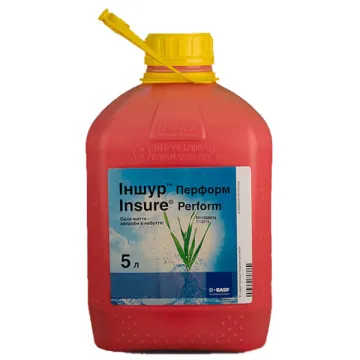


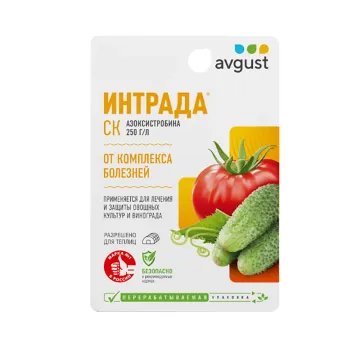

Pilartep
Піларквім (Шанхай) Ко., Лтд. (Pilarquim (Shanghai) Co, LTD), Шанхай, Китай
Fungicides
0
0
·
85
1 offer
24.9 €per 1 l
Buy

KABRIO TOP granules
БАСФ СЕ, м.Людвігсхафен Німеччина
Fungicides
0
0
·
83
1 offer
0.32 €per pack
Buy