

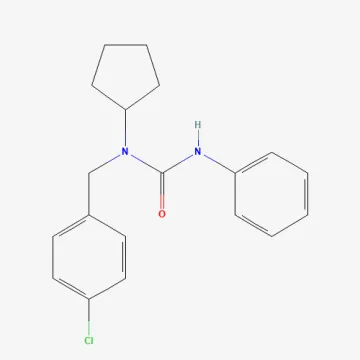
Description
Mode of action
Pencycuron is a high-efficacy contact fungicide that belongs to the phenylurea chemical class. It is specifically recognized for its targeted activity against pathogens affecting the root system and plant stems.
The mechanism of action is based on the inhibition of fungal cell division during mitosis. By interrupting the development of the mycelium, the substance effectively prevents the pathogen from penetrating host tissues.
Since the substance primarily acts through contact, it does not translocate within the plant system but creates a robust protective barrier on the surface of seeds or tubers.
This prolonged residual activity ensures that young seedlings are shielded from soil-borne infections during their most critical growth stages, leading to more uniform crop emergence.
Pencycuron is a vital tool in integrated pest management strategies, as there is currently no evidence of fungal resistance developing against this active ingredient.
What it targets
The primary target of Pencycuron is Rhizoctonia solani, the pathogen responsible for Rhizoctonia disease, which causes significant economic loss in potato and vegetable production.
The substance is highly effective in suppressing black scurf and various soil-borne rot infections that spread via contaminated soil or during the planting process.
It is widely utilized in the treatment of potato tubers and seeds of various vegetable and cereal crops, which are particularly susceptible to basidiomycete-driven infections during early development.
By effectively managing these soil-borne pathogens, Pencycuron helps to minimize crop failure and significantly improves the quality and marketability of harvested produce.
The application of this fungicide ensures that the plant remains healthy throughout its critical early vegetative stages, providing a strong foundation for future yield.
Rates and timing
Application rates for Pencycuron are strictly dictated by the crop type and the specific treatment method, such as tuber spraying or seed dressing.
When treating potato tubers before planting, it is essential to ensure an even distribution of the working solution over the entire surface area to maintain optimal efficacy.
The timing of the application is typically limited to the pre-planting phase or during the planting operation to guarantee that the active ingredient is present where infection risk is highest.
The volume of the working solution should be calculated to ensure complete coverage of the seed material without causing excessive run-off or phytotoxic stress.
For large-scale agricultural operations, it is recommended to use calibrated automated treatment equipment to adhere strictly to the prescribed agronomic application rates.
Restrictions
Pencycuron is classified as a low-toxicity compound for mammals and honeybees; however, standard safety protocols must be followed during handling and application to ensure safety.
It is essential to prevent the contamination of water sources and waterways, as the substance may have toxicological impacts on aquatic organisms.
Mixing Pencycuron with other pesticides should only be conducted after verifying chemical compatibility to avoid precipitation or reduction in overall efficacy.
Operators are required to wear appropriate personal protective equipment (PPE) when preparing the chemical solution and during the handling of treated materials.
Upon completion of the application process, all equipment must be thoroughly cleaned to prevent cross-contamination and ensure adherence to environmental safety regulations.
Content graph
Connections · Pencycuron
Most often together:
Marketplace