
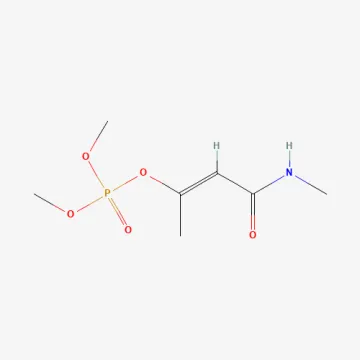
Monocrotophos
Description
Mode of action
Monocrotophos belongs to the organophosphate class of chemicals and serves as a highly effective systemic insecticide and acaricide. The substance is characterized by its ability to be rapidly absorbed by plant tissues, where it is translocated through the vascular system, providing comprehensive protection to all parts of the plant.
The primary mechanism of action involves the inhibition of the enzyme acetylcholinesterase within the nervous system of pests. By preventing the breakdown of acetylcholine, the chemical triggers a continuous flow of nerve impulses, resulting in paralysis and the subsequent death of insects and mites.
Due to its systemic properties, monocrotophos displays strong translaminar activity. This allows the compound to move across leaf blades, which is particularly effective against pests that inhabit the internal tissues of plants or those that thrive on the undersides of leaves.
The compound provides long-lasting control of various pests due to its persistence within the plant foliage. Its ability to act both as a contact and stomach poison makes it a versatile tool for managing high populations of damaging organisms in agricultural settings.
Despite its efficacy, the chemical nature of monocrotophos necessitates strict adherence to application protocols. Its potential for bioaccumulation and its high toxicity profile require that users prioritize safety and environmental stewardship during all phases of handling.
What it targets
Monocrotophos is widely recognized for its broad-spectrum control of various biting and sucking pests. It is highly effective against aphids, thrips, whiteflies, and various species of mites, which are major threats to the vigor and yield potential of many agricultural crops.
Furthermore, the insecticide is utilized to manage populations of lepidopteran larvae, such as cotton bollworms, as well as leaf-miners and various beetle species. It is particularly valuable in integrated pest management programs where rapid knockdown of pests is essential.
The primary crops for which this active ingredient is deployed include cotton, sugarcane, rice, and maize. In these contexts, it helps to prevent significant damage to stems, leaves, and reproductive organs, ensuring better commercial output.
Application is most effective during the early stages of pest infestation, when younger larvae are more susceptible to the chemical. By curbing the growth of pest populations early, farmers can maintain crop health during critical phenological growth stages.
- Aphids and psyllids
- Spider mites
- Lepidopteran pests (bollworms)
- Leaf-mining insects
- Coleoptera (beetles)
Restrictions
Due to its high level of toxicity to humans, birds, and beneficial insects, the use of monocrotophos is strictly regulated or banned under various international agreements, including the Rotterdam Convention. Users must verify local regulations before considering its application.
Strict waiting periods between the final application and harvest must be observed to ensure that residue levels in crops remain within established safety limits. Consumption of contaminated produce poses a severe risk of acute or chronic poisoning.
Monocrotophos is extremely dangerous to honeybees and aquatic life. It must not be applied during the blooming period of crops, and careful measures should be taken to prevent spray drift into water bodies, drainage systems, or non-target flora and fauna.
Operators must wear appropriate personal protective equipment (PPE), including chemical-resistant suits, gloves, and respirators. Regular medical monitoring of staff handling this substance is recommended in professional agricultural environments to prevent accidental exposure.
Safe storage is mandatory, involving locked facilities with controlled access, adequate ventilation, and clear signage. Disposal of containers and chemical residues must adhere to hazardous waste management procedures to protect public health and the environment.
Status in the European Union
Not approved in the EU
- CAS number
- 6923-22-4
- Category (EU)
- AC - Acaricide
- ADI
- 0.0006 mg/kg bw/day
- ARfD
- 0.002 mg/kg bw
EU status is for reference only and does not replace national registration in your country.