

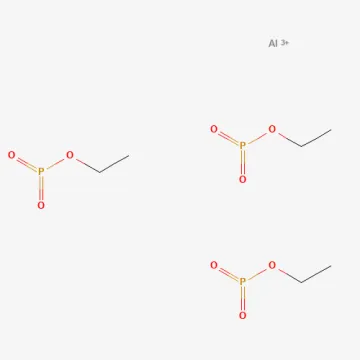
Description
Mode of action
Fosetyl-aluminium belongs to the phosphonate (ethyl phosphonate) chemical class. It is a unique active ingredient that exhibits strong systemic activity, capable of moving both acropetally (upward) and basipetally (downward) within the plant.
The mode of action is based on directly inhibiting spore germination and mycelial development. The substance disrupts metabolic processes in fungal cells, preventing the synthesis of essential cell wall components and enzyme activity.
Beyond its direct fungicidal effect, fosetyl-aluminium stimulates the plant's natural defense mechanism, known as systemic acquired resistance (SAR). This triggers the production of phytoalexins, which inhibit pathogen invasion.
Formulations based on fosetyl-aluminium are highly effective against oomycetes, which are known to adapt quickly to narrow-spectrum fungicides, making this substance an essential tool for rotation programs.
The active ingredient is characterized by rapid absorption into plant tissues. Within an hour of application, most of the product penetrates the plant, which minimizes the risk of wash-off by rain.
What it targets
This substance is highly effective against a wide range of diseases caused by oomycetes. It is a key tool in controlling downy mildew and various species of Phytophthora.
The primary targets for treatment include late blight, downy mildew (peronosporosis), as well as various types of root rots and collar rots caused by Phytophthora species.
The product is widely used on vegetable crops, including tomatoes, cucumbers, and onions, to protect against a complex of leaf spots and fungal diseases of the fruit.
In viticulture, it is successfully used to control grapevine downy mildew (Plasmopara viticola), protecting not only the leaves but also the inflorescences and berries.
Fosetyl-aluminium is also applied to ornamental plants and flowers that are sensitive to Phytophthora infections, providing a long-lasting protective effect for both stems and root systems.
Rates and timing
Application rates vary depending on the crop, severity of infection, and method of application (spraying or soil drenching). On average, the working concentration ranges from 0.2% to 0.5% by volume.
It is recommended to apply the fungicide preventively or at the very first signs of disease. The protective period lasts from 10 to 14 days, depending on environmental conditions.
If necessary, repeat applications are conducted with an interval of 10 to 14 days. Ensuring high-quality coverage of the leaf surface is crucial for maximum absorption.
To achieve the best results, it is advisable to use wetting agents or surfactants, especially when treating plants with a waxy cuticle layer.
The number of applications per season is generally limited to 3–4 times to prevent the development of resistance and excessive accumulation of phosphonates in the harvested product.
Restrictions
Fosetyl-aluminium should never be mixed with copper-based products, as this can cause phytotoxicity and severe burns to plant tissues.
Avoid mixing with fertilizers containing high levels of nitrogen, as this may decrease the efficacy of the fungicide or encourage pathogen growth.
Standard safety measures must be followed: wear personal protective equipment, prevent runoff into water bodies, and avoid applications during peak bee activity or flowering.
Application at temperatures above +25°C or under intense sunlight is not recommended to prevent plant stress.
Store products in their original containers in a cool, dry place away from children, animals, and food supplies.
Content graph
Connections · Fosetyl-aluminium
Most often together:
Marketplace
Products · 23


ENERGODAR, RK
ТОВ «Фабрика агрохімікатів», Черкаси, Україна
Fungicides
0
0
·
39
30 offers
15.39 €per 1 l
Buy


