
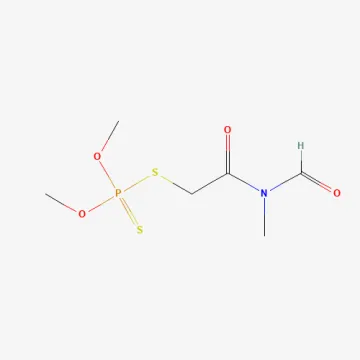
Formothion
Description
Mode of action
Formothion belongs to the class of organophosphorus compounds and serves as a systemic insecticide and acaricide. Its primary mode of action is the inhibition of the enzyme acetylcholinesterase in the nervous system of insects and mites.
Inside the plant, the active ingredient quickly penetrates the tissues and is distributed acropetally, ensuring protection for new growth. Insects receive a toxic dose when feeding on the sap of the treated plant.
The chemical blocks the transmission of nerve impulses, leading to paralysis and subsequent death of the pests within a short time. Its systemic properties allow for the control of even concealed or hidden pests.
The substance is characterized by pronounced contact and stomach activity, which enhances the overall protective efficacy. It is effective under a wide range of temperatures, providing stable protection throughout the season.
The organophosphorus nature of the group implies rapid degradation in soil and plants, which reduces the risk of residues in marketable products when application regulations are followed.
What it targets
Formothion-based preparations effectively suppress a wide spectrum of pests from the orders Hemiptera and various species of phytophagous mites.
The primary targets include aphids, psyllids, whiteflies, and various scale insects that cause significant damage to vegetable, fruit, and industrial crops.
The agent demonstrates excellent results in controlling spider mites, which often develop resistance to other classes of acaricides.
Due to its systemic impact, using this group is justified against pests that live in hidden habitats or reside on the underside of leaves.
The application of formothion also reduces the population of various thrips species that damage flower and leaf buds of agricultural plants during the active vegetative growth phase.
Rates and timing
The application rates for formothion depend on the level of infestation and the developmental stage of the crop. Adhering to the specified frequency of treatment is essential to prevent resistance.
Spraying is recommended during morning or evening hours in calm weather to ensure uniform coverage of the entire leaf surface area.
Pre-harvest intervals are strictly regulated and vary depending on the crop type, typically ranging from 20 to 30 days after the final application.
When preparing the spray solution, use clean water and comply with compatibility requirements, avoiding alkaline tank mixes that neutralize organophosphorus substances.
Frequency of use should be limited (typically no more than twice per season) to prevent pest populations from adapting to this specific active ingredient.
Restrictions
Working with formothion requires strict compliance with individual safety measures, including the use of protective clothing, respirators, and gloves, as the substance is toxic to humans.
The chemical is hazardous to bees and other beneficial entomophages, so applications during crop flowering are strictly prohibited by agronomic standards.
Avoid drift of the spray solution onto adjacent areas, water bodies, and pastures, ensuring appropriate buffer zones are maintained during field spraying.
In case of contact with skin or mucous membranes, immediately rinse the affected area with plenty of running water and seek medical attention if necessary.
Pesticides from this group must be stored in specialized warehouse facilities under controlled temperature conditions, preventing unauthorized access by people or animals.
Status in the European Union
Not approved in the EU
- CAS number
- 2540-82-1
- Category (EU)
- AC - Acaricide
EU status is for reference only and does not replace national registration in your country.