
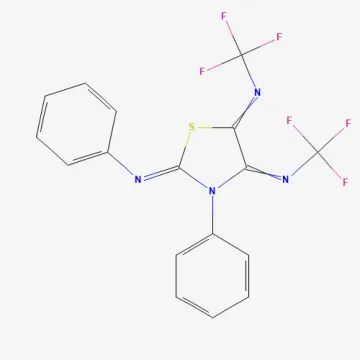
Flubenzimine
Description
Mode of action
Flubenzimine is an effective active ingredient belonging to the class of acaricides, primarily acting through contact with pests.
The chemical structure of this substance is specifically designed to interfere with the development of mites, targeting their most vulnerable biological stages.
The primary mode of action is its potent ovicidal property. Flubenzimine penetrates the eggs of mites, effectively disrupting embryonic development and causing mortality before hatching.
Furthermore, the compound affects the larval stages of mites, inhibiting their molting process and development into reproductive adults, which leads to a significant population decline.
Due to its specialized mechanism, flubenzimine provides long-term protection, ensuring that plant tissues remain shielded from mite damage over extended periods.
What it targets
Flubenzimine is primarily used to manage populations of phytophagous mites that threaten agricultural and horticultural productivity.
It is specifically effective against various species of the Tetranychidae family, commonly known as spider mites, which frequently infest crops.
The acaricide is suitable for use on a wide variety of crops including fruit trees, vineyards, vegetables, and ornamental plants prone to mite infestations.
By controlling mite populations, flubenzimine helps maintain the photosynthetic capacity of leaves, thereby protecting crop yield and quality.
Targeting these pests early in the season is a standard strategy, as it helps prevent the rapid escalation of mite numbers during hot and dry weather conditions.
Restrictions
Users must strictly follow local safety regulations and wear appropriate personal protective equipment, including gloves, goggles, and respiratory protection, during handling.
To ensure the continued efficacy of flubenzimine, it is recommended to implement resistance management strategies by alternating it with acaricides of different chemical groups.
Applications should be planned to avoid drift into non-target areas, particularly water bodies, and to minimize exposure to non-target beneficial insects.
The storage of the product requires a secure, dry, and cool location, away from food, feed, and out of reach of children or unauthorized personnel.
Disposal of empty containers and leftover chemical mixtures must be performed in accordance with environmental protection protocols to prevent soil and water contamination.
Status in the European Union
Not approved in the EU
- CAS number
- 37893-02-0
- Category (EU)
- AC - Acaricide
EU status is for reference only and does not replace national registration in your country.