

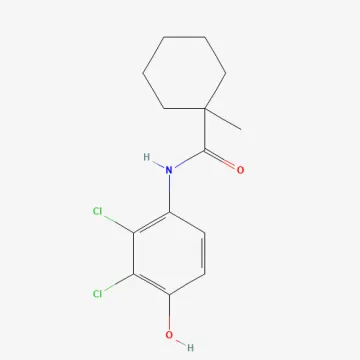
Description
Mode of action
Fenhexamid belongs to the hydroxyanilide chemical class. It is a highly effective active ingredient specialized in the suppression of pathogenic fungi that cause rot diseases.
The mechanism of action is based on inhibiting the biosynthesis of ergosterol in fungal cells. Unlike many other fungicides, fenhexamid inhibits mycelial growth and prevents spore germination during the early stages of infection.
The compound provides strong curative and preventive efficacy. Upon application to the plant surface, it forms a stable protective layer that is highly resistant to being washed off by rainfall.
The substance exhibits low systemic movement within plant tissues, which makes thorough coverage of all plant parts during spraying a key factor for successful application.
Fenhexamid does not show cross-resistance with other fungicide classes, making it an essential component in anti-resistance crop protection strategies.
What it targets
The primary specialization of fenhexamid is the control of fungi from the Botrytis genus, which cause gray mold. This makes it a benchmark product for protecting berry and fruit crops.
The product is extremely effective against Botrytis cinerea, which affects grapevines, strawberries, raspberries, and various greenhouse ornamental plants.
In addition to gray mold, the substance demonstrates activity against several other types of pathogens capable of causing post-harvest fruit rots during storage and transportation.
The use of this product significantly reduces the risk of spoilage during the pre-sale period, preserving the visual appeal and taste qualities of berries and fruits.
The broad spectrum of control allows its use not only in open field conditions but also in greenhouse vegetable production against a complex of rots on tomatoes and cucumbers.
Rates and timing
The timing of fenhexamid application is focused on critical plant development phases when the risk of botrytis infection is highest, typically during flowering and fruit ripening.
Application rates depend on the specific crop and the severity of the infection pressure. For grapevines, the dosage usually varies from 0.8 to 1.5 kg/ha depending on the vegetative mass volume.
An important requirement is maintaining intervals between applications, typically 10–14 days, alternating with products from other chemical groups if necessary.
The number of treatments per season is limited to prevent the development of resistant pathogen populations, usually allowing no more than 2–3 applications.
When calculating the rate, it is important to consider planting density and the type of sprayer to ensure an even distribution of the working solution over the clusters or fruits.
Restrictions
Fenhexamid is a moderately hazardous compound for humans and the environment, requiring strict adherence to safety protocols when handling the solutions.
Treatments during periods of active bee foraging are prohibited, although the product is considered relatively safe for beneficial insects once it has dried on the leaves.
It is mandatory to observe pre-harvest intervals, which for most crops range from 7 to 21 days depending on the specific product regulations.
When preparing tank mixtures, the compatibility of fenhexamid with other plant protection products must be verified, excluding strong alkaline agents.
- Wear personal protective equipment for skin and respiratory tract.
- Avoid contamination of water bodies and sewage systems.
- Store in original packaging away from feed and food products.
Content graph
Connections · Fenhexamid
Most often together:
Marketplace
Products · 7


