
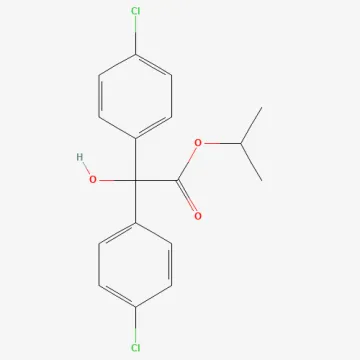
Chloropropylate
Description
Mode of action
Chlorpropylate is a synthetic acaricide belonging to the organochlorine chemical class, specifically functioning as a benzilic acid derivative, widely recognized for its efficacy against various mite species.
The primary mechanism of action involves disrupting the metabolic and neurological processes of mites upon contact. It provides significant ovicidal and larvicidal activity, effectively interrupting the life cycle of the pest at multiple stages.
Once the active ingredient comes into contact with the mite's cuticle, it induces rapid paralysis, ultimately leading to the death of the pest, which helps in preventing rapid population explosions in agricultural settings.
The chemical exhibits residual activity on plant surfaces, providing a protective barrier that prevents re-infestation for a duration after the initial application, provided weather conditions remain favorable.
Because chlorpropylate acts as a contact-only pesticide without systemic translocation within the plant, achieving thorough spray coverage across both the upper and lower leaf surfaces is critical for successful control.
What it targets
Chlorpropylate is primarily deployed to combat phytophagous mites, particularly those belonging to the Tetranychidae family, which are known to cause extensive damage to agricultural and horticultural crops.
In orchards, it is effectively used to protect pome and stone fruit trees from infestations of red spider mites and brown mites, which can severely deplete tree vigor and yield if left unchecked.
Vineyards represent another major area of application, where the chemical is used to manage mite populations that threaten the vitality of grapevines and the overall quality of the vintage.
Vegetable crops such as tomatoes, cucumbers, and peppers, whether cultivated in greenhouses or open fields, are frequently protected from spider mite damage using this compound during periods of peak pest activity.
It also serves as a strategic tool in integrated pest management programs, especially when targeting mite populations that have developed resistance to other widely used pesticide classes.
Restrictions
Optimal application requires precise timing; it is best to perform treatments during calm weather conditions to prevent drift and ensure that the product remains on the target foliage for maximum effectiveness.
Compliance with pre-harvest intervals is mandatory to ensure that chemical residues in the final produce remain well below the established safety thresholds for human consumption.
Handlers must wear appropriate personal protective equipment (PPE), such as gloves, goggles, and respiratory masks, to minimize the risk of exposure during mixing, loading, and field application processes.
Given the potential for environmental impact, particularly concerning aquatic life, it is essential to establish buffer zones near water bodies and prevent any runoff from treated fields into natural waterways.
To mitigate the risk of cross-resistance, it is highly recommended that producers integrate chlorpropylate into a rotational program with acaricides possessing different modes of action.
Status in the European Union
Not approved in the EU
- CAS number
- 5836-10-2
- Category (EU)
- AC - Acaricide
EU status is for reference only and does not replace national registration in your country.