
Zoothera
Zoothera
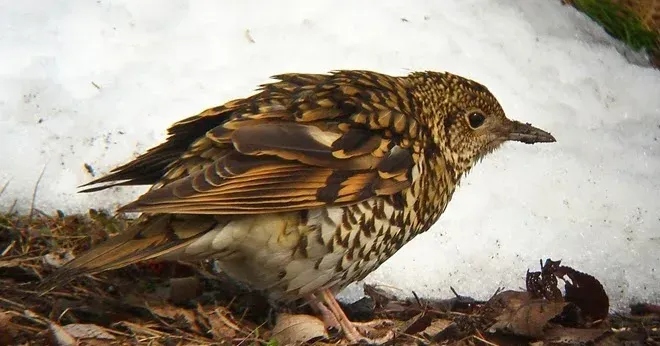
Description
How to identify
The genus Zoothera (ground thrushes) is classified in agronomy as a pest of berry crops, vineyards, and young fruit orchards. These birds belong to the Turdidae family in the order Passeriformes.
These birds are characterized by a compact build and mottled plumage, which allows them to hide effectively in the root zone of plants. They are known for their stealthy behavior and rapid movement across the ground.
A key biological trait is their high adaptability to human-modified landscapes. They actively colonize areas with intensive horticulture, regarding cultivated crops as a primary food source.
The lifecycle of these birds is closely linked to the seasonal availability of fruits and berries. Their nesting period coincides with the ripening phases of most agricultural crops.
To identify the species, one must consider their flight patterns and the specific vocal signals they produce when intruding upon an agricultural area.
What it damages
The primary damage caused by Zoothera involves the mass consumption and destruction of berry crops. High-risk areas include strawberry fields, raspberries, currants, and vineyards.
Adults damage the integrity of the fruit by pecking at the pulp, which leads to secondary infections such as gray mold and other fungal diseases spreading through the crop.
In addition to eating fruits, these birds cause mechanical damage to young shoots and floral buds, significantly reducing the overall productivity of the plantation over time.
The most severe damage occurs during the early ripening period when birds frequently visit fields in the morning and evening hours to feed their brood.
Economic losses can reach 30-50% of the total yield if proper defensive measures are not implemented on open-field plantations.
When it appears
The seasonal activity of this pest begins in early spring and lasts until late autumn. Peak damage occurs during the mass ripening of fruits and berries.
In early spring, birds may damage young buds; however, the most aggressive period is June through August, when the majority of crops are maturing.
In autumn, pests congregate in orchards to feed on remaining fruits, which interferes with the plant's natural preparation for the winter dormancy period.
Bird activity depends on weather conditions: in dry years, their interest in juicy berries increases as they use them as a vital source of hydration.
Migration patterns at the end of the season can lead to a sharp increase in the pest population on specific plots, requiring an immediate agronomist response.
Signs of infestation
The main sign of infestation is the presence of pecked or damaged fruit on the bushes and scattered on the ground beneath them.
Bird droppings in the rows and on the leaves of plants indicate a constant presence of the pest, serving as a warning to begin protective measures.
Visual inspection allows for the identification of damaged shoot tips and torn fruit stalks, which remain after careless feeding behavior.
Decreased yields in sectors located near forests or tall trees serve as a clear indicator of the birds' migration routes through the field.
A behavioral sign is the noisy activity of birds in the morning and their rapid movement between rows when a person approaches the plantation.
Control measures
The most effective method of control is the installation of protective netting, which prevents birds from accessing the berry crops.
The use of acoustic repellents that simulate the calls of predatory birds allows for a reduction in the pest population without the use of chemicals.
It is recommended to use light-reflecting elements and visual scarecrows, which must be moved periodically to prevent the pests from becoming accustomed to them.
Agrotechnical measures include regular cleaning of adjacent areas from thickets that may serve as shelter or nesting sites for Zoothera.
Applying biological agents to protect fruits from secondary infections helps minimize economic losses even in cases of partial fruit damage.
Taxonomy
- Latin name
- Zoothera
- Family
- Turdidae
- EPPO code
- ZOOHSP
Discussion
No discussions yet — be the first.