
Varied thrush
Ixoreus naevius
Description
How to identify
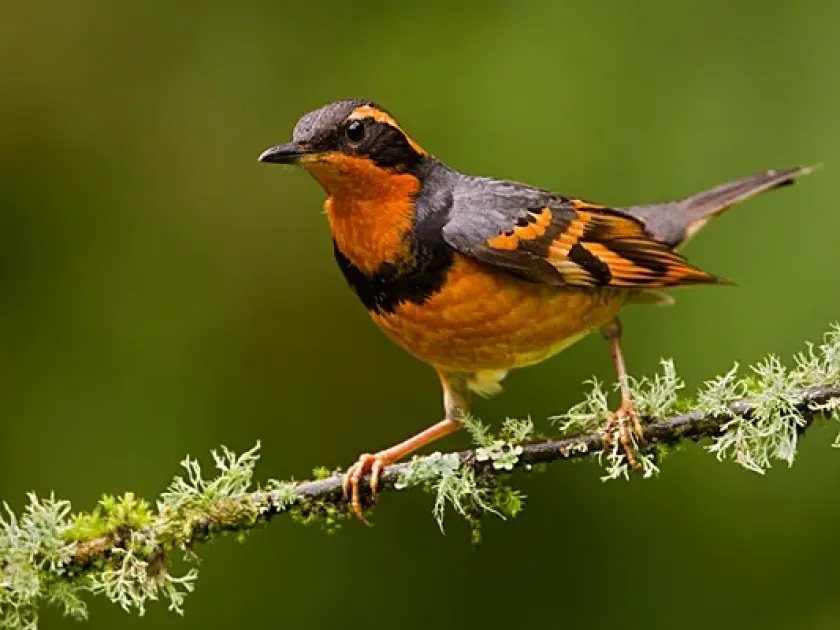
The Varied Thrush (Ixoreus naevius) is a passerine bird in the thrush family. It is easily recognized by its striking plumage, featuring dark gray or black dorsal areas and vibrant orange bands on the breast and wings.
A key identifying feature that distinguishes it from other similar thrushes is the prominent dark eye-stripe, which gives the face a very specific appearance.
These birds are known for their active foraging behavior and are often seen in small groups, particularly during the transition from forest habitats to garden environments.
Their biological cycle revolves around coniferous forest nesting, but they frequently venture into agricultural landscapes when fruit supplies become abundant.
Their behavior can be cautious, yet during peak fruit ripening, their drive to feed often overrides their fear of humans, leading them to stay in orchards for extended periods.
What it damages
The Varied Thrush acts as an opportunistic pest in orchards, primarily damaging soft fruit crops such as cherries, blueberries, and serviceberries.
By pecking into the fruit, they create open wounds that allow for rapid fungal decay and attract secondary pests like fruit flies, leading to total crop loss.
In addition to berries, they can cause significant damage to pomaceous fruits like apples and pears, where they consume large portions of the pulp, rendering the fruit unsellable.
Young nursery stock is also vulnerable; the birds may pull up seedlings or damage young buds while searching for insects in the soil, hindering plant development.
Economic losses can be substantial, as flocks of these birds can strip a large percentage of ripening fruit from a tree in a very short span of time.
When it appears
The highest level of damage occurs during the summer months when berries reach their peak sugar content, making them highly attractive to the birds.
During autumn migration, the thrushes may continue to damage late-harvest varieties of fruit trees, staying until the onset of hard frosts forces them to move on.
Winter activity is generally low, as the birds shift their diet to dormant seeds and dry remnants, posing little threat to active agricultural crops.
Spring is primarily characterized by the search for protein-rich soil invertebrates, which generally keeps the birds away from ripening fruit during this early growth phase.
Effective monitoring should begin during the pre-harvest window, typically two to three weeks before the anticipated collection date of the berries.
Signs of infestation
The most reliable sign of a Varied Thrush infestation is the presence of punctured or partially consumed berries left on the branches or scattered on the ground.
Visual observation of bird droppings on foliage and branches provides clear evidence that the trees are being used as a primary feeding station.
Constant vocalizations, particularly the distinctive calls of the flock in the early morning, serve as an immediate alert to their presence in the garden.
Decaying fruit still hanging on the tree with mechanical damage marks is a telltale sign of previous feeding sessions by this species.
A sudden decline in bird-sensitive crop yield, often coinciding with the disappearance of insects, suggests that the thrushes have successfully claimed the area as their territory.
Control measures
Physical exclusion remains the most effective method, using high-quality protective netting to cover fruit bushes and trees throughout the ripening process.
Visual deterrents, including reflective tape, holographic devices, and predator silhouettes, can discourage the birds from landing in the treated area.
Acoustic deterrents that broadcast distress calls or predator sounds can significantly reduce the amount of time birds spend feeding in an orchard.
Early harvesting of ripe fruits is recommended to reduce the window of opportunity for the birds to cause meaningful economic damage.
- Utilize fine-mesh netting.
- Install visual bird scarers.
- Maintain orchard sanitation to prevent fruit decay.
Taxonomy
- Latin name
- Ixoreus naevius
- Family
- Turdidae
- EPPO code
- TURDNA
Discussion
No discussions yet — be the first.