
Zacompsa festa
Zacompsa festa
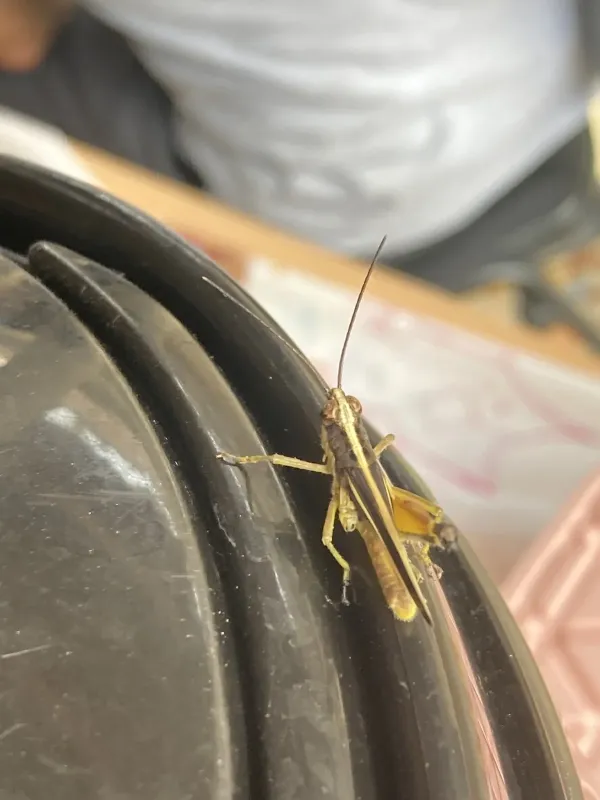
Description
How to identify
Zacompsa festa belongs to the order Orthoptera and the family Acrididae. This insect has a body structure typical of its family, specialized for jumping and active movement within dense vegetation.
The adult insect is characterized by specific coloration, which provides effective camouflage among plants. Their size is typical for the genus, and the presence of developed wings allows them to migrate over significant distances.
The life cycle includes egg, nymph, and adult stages. Females lay eggs in the soil, creating "pods" that protect the offspring from harsh winter conditions.
Nymphs undergo several instars of development, gradually increasing in size and developing adult characteristics. Molting is a critical process for growth, involving the shedding of their exoskeleton.
The biology of Zacompsa festa is closely linked to regional climate conditions. Optimal temperatures and humidity levels promote rapid population development and increased overall impact on crops.
What it damages
This pest is a polyphage, meaning it can damage a wide variety of agricultural crops and wild plants. Cereals and vegetable crops are particularly at risk.
Significant damage is caused by late-instar nymphs and adults, which possess powerful chewing mouthparts. They can consume large amounts of green foliage in a very short time.
During periods of mass outbreaks, Zacompsa festa can cause severe damage to grazing lands and pastures, reducing both yield and the quality of forage.
Damage is often localized but can spread quickly. In cases of high population density, these insects may migrate to adjacent fields, destroying crops over large areas.
The level of harm depends on the growth stage of the crop. Damage during the active vegetative growth phase and the formation of reproductive organs is particularly critical.
Signs of infestation
A primary sign of infestation is the appearance of ragged or chewed leaves, where edges are unevenly consumed or the leaf is eaten down to the central vein.
Visual field inspections often reveal large swarms of jumping insects that move rapidly when approached by humans or machinery.
Reduced crop stand density occurs due to the destruction of young seedlings. In some cases, stems are also damaged, leading to lodging and weakening of the plant structure.
The presence of fecal pellets on leaf surfaces and near the root zone is an indirect indicator of pest activity and can encourage secondary plant infections.
Wilting of specific patches of crops or complete defoliation are clear indicators of a high Zacompsa festa population density within the field.
Control measures
Effective management requires an integrated pest management (IPM) approach, combining agrotechnical, chemical, and biological control methods.
Agrotechnical measures include deep autumn plowing, which disrupts egg pods, causing egg mortality due to exposure to cold temperatures and predators.
The use of systemic and contact insecticides is justified when the economic threshold of damage is reached. Following application protocols is essential to protect beneficial entomofauna.
Regular field monitoring using sweep nets or traps is recommended to detect the hatching of nymphs from the soil in a timely manner.
Maintaining crop rotation and controlling weed populations along field borders limits the food supply for the pest, forcing it to migrate away from treated agricultural areas.
Taxonomy
- Latin name
- Zacompsa festa
- Order
- Orthoptera (locusts)
- Family
- Acrididae
- EPPO code
- ZACPFS
Discussion
No discussions yet — be the first.