
Acorypha
Acorypha
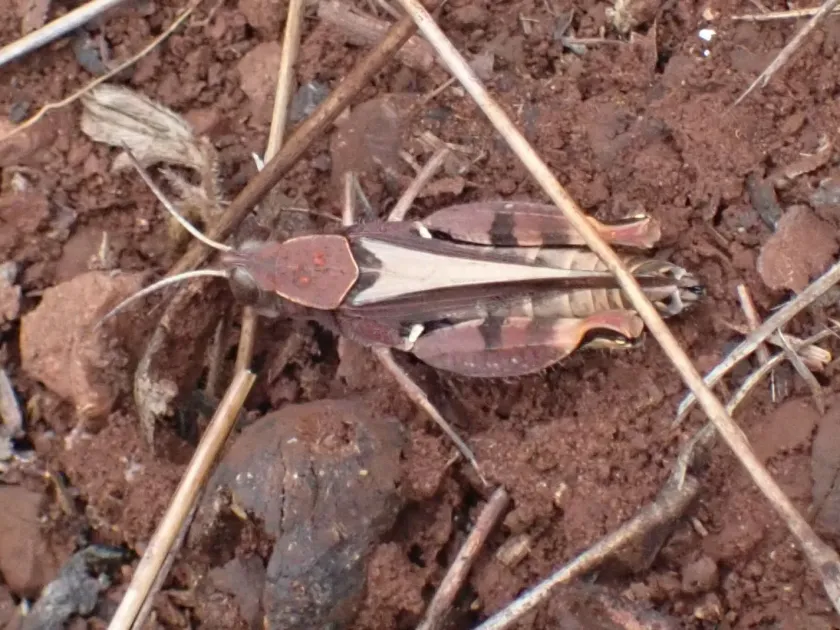
Description
How to identify
Acorypha is a genus of grasshoppers belonging to the family Acrididae, order Orthoptera. These insects are characterized by robust, chewing mouthparts and strong hind legs adapted for jumping.
The morphology of these insects includes a cryptic coloration that allows them to blend into their surrounding habitat, such as grasslands or soil surfaces.
They undergo incomplete metamorphosis, with females depositing egg pods into the soil, which serve as a protective structure for the developing embryos.
The population dynamics are heavily influenced by temperature and precipitation; hot and dry seasons typically trigger outbreaks and rapid lifecycle completion.
Adult Acorypha are capable fliers, which facilitates movement between patches of vegetation and makes them difficult to contain in localized areas.
What it damages
Acorypha species are generalist herbivores (polyphagous), feeding on a wide range of vegetative parts of both wild and cultivated plants.
Major cereal crops, including wheat, barley, and maize, are frequently targeted, with damage occurring on leaves, stems, and reproductive structures.
Pastures and forage crops are significantly impacted, often resulting in reduced fodder production for livestock industries in affected regions.
During severe infestation years, these pests can cause total crop failure, leading to substantial economic losses for farmers and agricultural sectors.
Feeding damage is not limited to biomass loss; the resulting lesions serve as entry points for bacterial and fungal pathogens, further compromising plant health.
Signs of infestation
Initial signs of an infestation include irregularly jagged leaf margins, which are a hallmark of the feeding behavior of orthopteran pests.
As the population grows, severe defoliation or skeletonization of leaves may occur, leaving behind only the vascular bundles of the plants.
In the early stages, the insects can be difficult to spot as they hide within the canopy, but they often flush out when the plants are disturbed.
The presence of frass (excrement) on the soil surface or the remaining leaf tissue is a reliable indicator of active feeding colonies in the area.
Affected crops typically show signs of stunted growth, loss of vigor, and general yellowing due to the intensive damage to the photosynthetic surface.
Control measures
Cultural control is a primary defense, involving deep plowing of fields after harvest to destroy the egg pods buried in the soil.
Sanitation of field borders and the removal of weeds are critical to eliminating potential habitats and breeding sites for the grasshoppers.
Chemical control involving systemic or contact insecticides should be applied once pest populations exceed the established economic threshold.
Regular scouting and monitoring are essential for early detection, allowing for targeted applications rather than widespread spraying.
Biological control strategies, including the use of entomopathogenic fungi or protecting natural predator populations, can help maintain balance when populations are low.
Taxonomy
- Latin name
- Acorypha
- Order
- Orthoptera (locusts)
- Family
- Acrididae
- EPPO code
- ACORSP
Discussion
No discussions yet — be the first.