
Abracris flavolineata
Abracris flavolineata
Description
How to identify
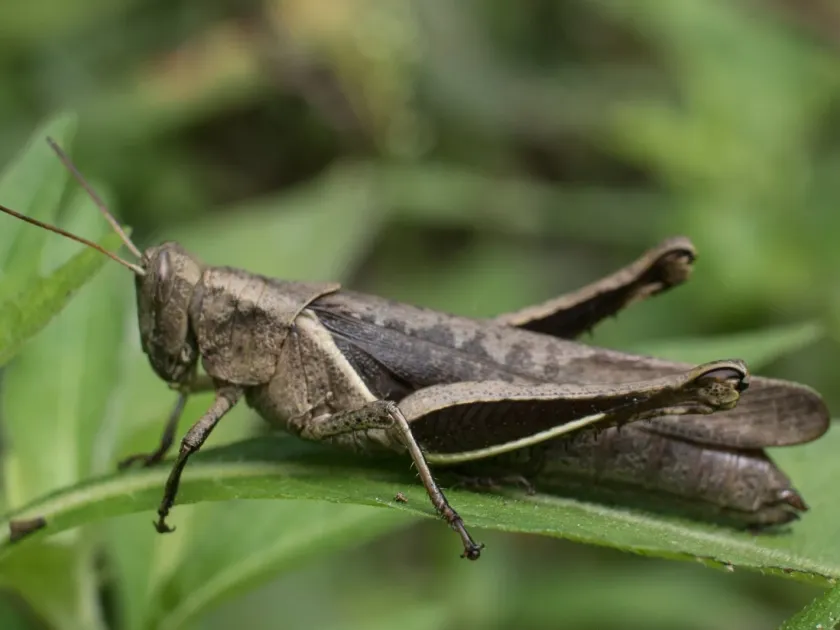
Abracris flavolineata is a species of grasshopper belonging to the family Acrididae. It is recognized by its slender body and distinct yellow stripes running along the thorax and wing covers, which serve as a primary identification feature.
Adult insects possess fully developed wings, enabling them to migrate across fields in search of host plants. These morphological traits are consistent across different environmental conditions, assisting in field identification.
The life cycle follows incomplete metamorphosis, consisting of egg, nymph, and adult stages. Females deposit their eggs into the soil, encasing them in protective structures called pods to ensure survival against environmental pressures.
Nymphs transition through several instars, gradually increasing in size and developing wing pads. Each stage is characterized by increased feeding intensity, which is critical for their rapid development.
This species is a polyphagous feeder, meaning it can survive and thrive on various plant species, making it a versatile and persistent pest in different agricultural settings.
What it damages
This grasshopper causes significant harm to cereals, legumes, and forage crops. Both nymphs and adults consume foliage, creating irregular holes and consuming large portions of the leaves, which reduces photosynthetic efficiency.
During outbreaks, populations can cause severe defoliation, leaving plants stripped of their leaves and stems. This damage directly reduces the yield and weakens the plant's overall vigor.
Early-stage nymphs often congregate in groups, causing localized but complete destruction of vegetation. As they mature, they disperse and increase the area of damage across the cultivated fields.
In addition to foliage, the pest may attack reproductive organs, including flowers and seeds. This directly impacts the marketability and quality of the harvested crop.
High levels of herbivory during critical growth phases can lead to stunted plant development and increased susceptibility to secondary infections or environmental stress.
When it appears
Seasonal activity begins in the spring when rising soil temperatures trigger the hatching of nymphs from overwintered eggs. This period often coincides with the germination and early growth of crops.
Summer months mark the peak of adult activity. During this time, they are highly mobile, frequently moving from wild grasses to cultivated fields to feed and reproduce rapidly.
In favorable climates, the pest may complete multiple generations within a single growing season. This requires consistent monitoring to prevent runaway population growth during the peak summer period.
As autumn approaches, activity wanes, and adults prepare to lay eggs in the soil. The egg stage is the primary mechanism for surviving the cold winter months until the following spring.
Weather conditions, particularly temperature and rainfall levels, play a crucial role in determining the survival rate of the population and the speed at which their life cycle progresses each year.
Signs of infestation
Initial signs of infestation include ragged leaf margins and irregular feeding holes in the leaf blades. The presence of small fecal pellets on foliage is a strong indicator of grasshopper activity.
Observation in the early morning or late afternoon reveals jumping insects across the fields. Nymph clusters are easily identifiable by the heavy, localized damage to young plant tissues.
- Skeletal leaf appearance due to heavy feeding.
- Visible presence of adult grasshoppers on stems.
- Patchy areas of defoliation that gradually expand over time.
Color changes in the crop canopy, shifting from deep green to brown or bare patches, often indicate a developing infestation that requires immediate attention.
Audible signals, such as the sound of wings fluttering when entering an infested field, serve as a clear sign of a significant population presence.
Control measures
Deep tillage after harvest is a primary cultural control method. This practice disturbs the soil and destroys egg pods, effectively reducing the number of insects emerging in the following season.
Managing non-crop areas, including field margins and adjacent ditches, is essential to limit the breeding grounds and reduce the influx of grasshoppers into the main crop.
Chemical control involving insecticides, such as pyrethroids or organophosphates, is utilized when pest populations exceed the economic injury level, strictly following label directions.
Regular monitoring using traps or visual field counts helps agronomists make informed decisions regarding the timing of insecticide applications for maximum efficacy.
Biological control methods involve fostering natural predators, including birds, parasitic wasps, and entomopathogenic fungi, which help keep pest populations below the threshold of economic concern.
Taxonomy
- Latin name
- Abracris flavolineata
- Order
- Orthoptera (locusts)
- Family
- Acrididae
- EPPO code
- ABRCFL
Discussion
No discussions yet — be the first.