
Zacompsa
Zacompsa
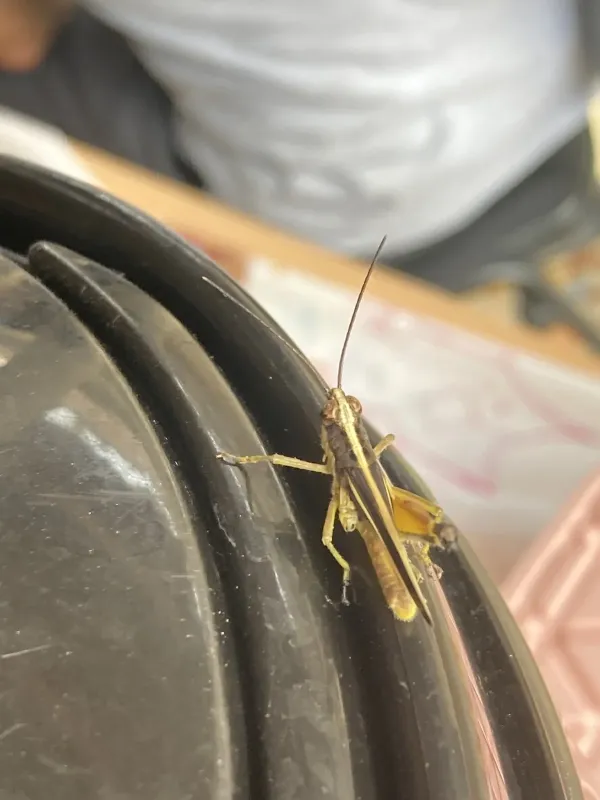
Description
How to identify
The genus Zacompsa belongs to the family Crambidae, a group of moths known for their often cryptic appearance. These insects are primarily nocturnal, and their larvae can cause significant economic damage to various agricultural and wild plants.
Adult moths are characterized by a slender body shape and narrow wings, which are typically folded tightly against the body when at rest. Their coloration often mimics dry leaves or soil, allowing them to remain undetected by both predators and farm monitors during the day.
The larval stage is the most destructive phase of the life cycle. The caterpillars possess well-developed chewing mouthparts that enable them to consume foliage, stems, and sometimes floral parts. They vary in size and color throughout their developmental instars.
The life cycle of these insects typically involves complete metamorphosis. Females deposit eggs on host plants, often in secluded locations such as the underside of leaves or within leaf sheaths, ensuring the larvae have immediate access to food upon hatching.
Pupation usually occurs in protective environments, such as silk-lined cocoons located in the soil or within the plant tissue itself. This adaptation helps the insect survive periods of unfavorable climatic conditions until conditions are suitable for adult emergence.
What it damages
Damage to plants is primarily caused by the larval feeding process. Caterpillars typically start by feeding on tender foliage before moving to more structural parts of the plant, such as stems or even the developing ears of cereal crops.
Severe infestations can lead to partial or total defoliation of the host plant. This significant loss of photosynthetic surface area limits the plant's ability to produce energy, ultimately resulting in stunted growth, lower crop yields, and decreased quality.
In addition to direct feeding, the physical damage created by the caterpillars provides an entry point for secondary pathogens. This often results in opportunistic infections, such as bacterial soft rots or various fungal blights, complicating the field management.
Plants affected during the early seedling stage are at the highest risk of mortality. Even if the plant survives, it may suffer from significant developmental delays, making it less competitive against weeds and less productive by the end of the season.
The intensity of the damage often varies depending on environmental conditions, with outbreaks being more prevalent during specific seasonal transitions or after periods of mild winters that promote higher survival rates of overwintering pupae.
Control measures
Effective management begins with robust agronomic practices, such as crop rotation and timely soil tillage. Disrupting the soil environment during the pupal stage significantly reduces the number of moths that emerge in the spring.
Field sanitation is critical in controlling populations. Eliminating weeds that serve as alternative hosts during the off-season helps to break the lifecycle of the insect and reduces the population pressure on primary crops.
Biological controls, including the use of entomopathogenic bacteria or fungi, provide an environmentally friendly alternative to traditional pesticides. These methods target specific larval stages while preserving the beneficial insect population in the field.
Chemical control should be employed strategically as a last resort, strictly adhering to economic threshold monitoring. Rotating chemical classes is essential to manage potential resistance, ensuring the effectiveness of the chosen treatments over multiple seasons.
Integrated Pest Management (IPM) strategies, which include the use of pheromone traps to monitor adult flight activity, are highly recommended. Early detection allows for targeted interventions, significantly lowering the volume of insecticides needed to maintain crop health.
Taxonomy
- Latin name
- Zacompsa
- Order
- Orthoptera (locusts)
- Family
- Acrididae
- EPPO code
- ZACPSP
Discussion
No discussions yet — be the first.