
Veronicella
Veronicella
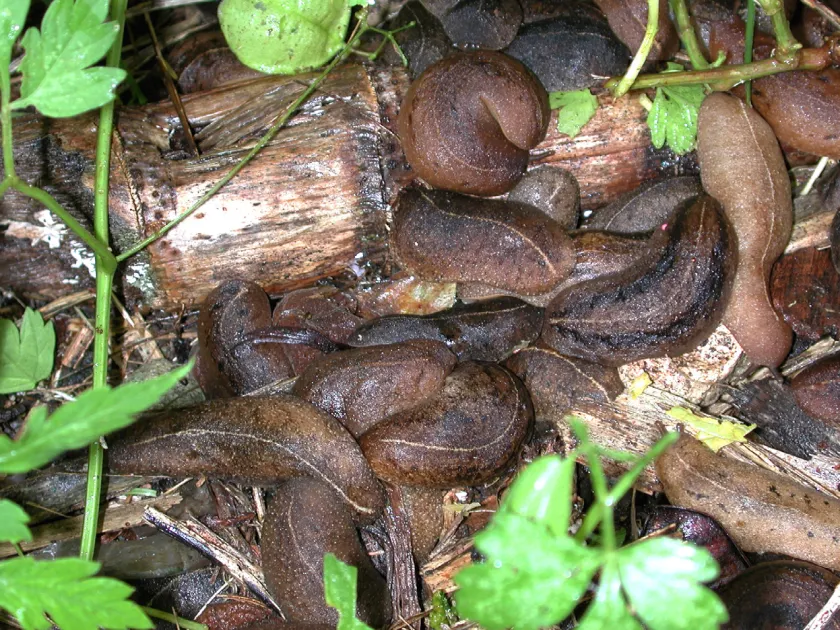
Description
How to identify
Veronicella is a genus of terrestrial slugs within the Veronicellidae family, commonly known as leatherleaf slugs. They are characterized by their smooth, leathery dorsal mantle that covers their entire back, lacking any shell.
Adult specimens typically range from 7 to 10 cm in length. Their coloration spans from light tan to dark brown or grey, often featuring irregular dark patterns or longitudinal stripes that serve as excellent camouflage in leaf litter.
These mollusks are hermaphroditic and possess high reproductive rates. In warm and humid environments, they can quickly establish large populations that become difficult to manage once they invade cultivated areas.
The life cycle involves laying eggs in moist soil or sheltered areas beneath debris. Juveniles emerge fully formed, looking like smaller versions of the adults, and immediately begin feeding on vegetation.
Identification is easily confirmed by observing their broad, muscular foot used for locomotion and the tell-tale shiny mucus trails they leave behind after moving across plants or soil surfaces.
What it damages
Veronicella slugs are aggressive polyphages, meaning they feed on a vast array of plant species. They are notorious for destroying both young seedlings and mature agricultural crops alike.
Commonly attacked crops include leafy greens like lettuce, cabbage, and spinach, as well as vegetables such as tomatoes, cucumbers, and legumes, which can be decimated overnight if pest pressure is high.
In ornamental gardening, they cause severe damage to flowers and shrubs. Hostas, lilies, and petunias are particularly susceptible, as the slugs consume both the foliage and the flower buds, ruining plant health.
Fruit crops resting near the ground, such as strawberries or dropped tomatoes, are frequent targets. Feeding damage often introduces secondary fungal and bacterial pathogens, leading to fruit rot.
Nursery and greenhouse operations are particularly vulnerable. The constant moisture and protected environment found in these settings provide the perfect habitat for Veronicella to multiply and cause constant, year-round damage.
When it appears
Slug activity is heavily dictated by environmental humidity. They thrive and are most destructive during rainy seasons or periods of frequent irrigation where soil moisture remains high.
During the day, they remain hidden in cool, damp refuges such as under rocks, wooden boards, mulch piles, or dense vegetation to prevent dehydration, as their skin requires moisture to function.
Their peak feeding activity occurs at night or during overcast, humid days. As the sun sets and temperatures drop, they emerge to graze on available vegetation across the garden or field.
In dry conditions, they may retreat deeper into the soil profile to stay hydrated. However, they quickly return to the surface as soon as favorable wet conditions return to the environment.
In managed agricultural environments like greenhouses, where irrigation is strictly controlled, Veronicella can remain highly active and continue causing damage regardless of external weather patterns.
Signs of infestation
The most prominent sign of a Veronicella infestation is the presence of shiny, dried mucus trails on leaves, stems, and the surrounding soil, which appear as silver, glistening ribbons.
Leaves affected by slugs typically show ragged edges or large, irregular holes. In severe cases, they may strip a plant down to its primary veins, leaving nothing but a skeletonized structure.
Young plants or seedlings may be completely consumed, with only the stem base remaining. This sudden loss of young crops is a strong indicator of a significant population of slugs present in the area.
The presence of deep gouges or pits on fruits, especially those touching the ground, is another classic indicator. These wounds often darken and start rotting quickly due to opportunistic microorganisms.
Direct sightings of the slugs beneath damp mulch, boards, or near the base of plants during twilight hours confirm their identity and current activity on the site.
Control measures
Managing Veronicella effectively requires an integrated pest management strategy that emphasizes sanitation, physical barriers, and targeted treatments to reduce population levels.
- Remove debris, boards, and piles of organic matter that provide daytime shelter.
- Establish abrasive barriers around vulnerable plants using crushed eggshells or wood ash.
- Use beer or yeast-based traps to capture and monitor slug populations.
- Encourage natural predators such as birds, toads, and ground beetles on your land.
- Apply iron phosphate-based molluscicides as a targeted, safe chemical control method.
Agronomic practices are essential, such as scheduling irrigation in the early morning. This allows the soil surface to dry out by evening, making it difficult for the slugs to travel and feed comfortably.
Regular weeding is critical, as dense weed cover maintains the high humidity and darkness that these pests require to survive and reproduce in agricultural environments.
When using chemical molluscicides, always follow the manufacturer's label instructions carefully. This ensures efficacy while protecting beneficial insects and local wildlife that help keep slug populations in balance.
Taxonomy
- Latin name
- Veronicella
- Order
- Molluscs
- Family
- Veronicellidae
- EPPO code
- VERNSP
Discussion
No discussions yet — be the first.