
Sarasinula linguaeformis
Sarasinula linguaeformis
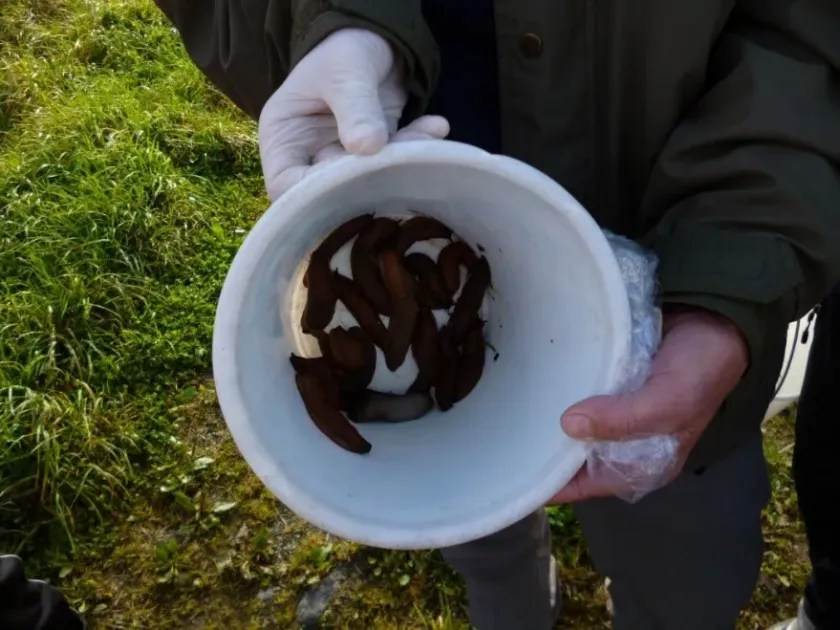
Description
How to identify
Sarasinula linguaeformis is a shell-less land slug belonging to the Veronicellidae family. Its body is notably flattened and tongue-shaped, a feature that allows it to navigate through narrow crevices in the soil or plant matter.
The dorsal surface is typically colored in shades of brown, often marked with darker spots or longitudinal streaks, which serve as camouflage in shaded areas. The skin is thick and constantly secretes mucus to maintain moisture levels.
This species is strictly nocturnal, remaining hidden during daylight hours. They seek refuge in dark, damp environments such as beneath leaf litter, rocks, or loose debris, making daytime scouting difficult.
A primary anatomical trait for identification is the placement of the respiratory pore on the right side of the body. This characteristic helps distinguish the family Veronicellidae from other more common slug species.
Reproduction involves laying clusters of eggs in moist soil or decaying organic matter. Their life cycle is highly sensitive to humidity, with populations peaking following consistent wet weather patterns.
What it damages
As a generalist herbivore, this slug feeds on a vast array of crops, showing a preference for succulents and leafy green plants. Vegetables such as lettuce, cabbage, and beans are particularly susceptible.
The pest often attacks seedlings, which are vulnerable and can be completely consumed within a single night. This leads to significant stand loss and forces farmers to replant affected fields.
Beyond direct feeding, the slug compromises plant health by introducing secondary pathogens. Feeding lesions often become entry points for various bacterial and fungal infections that lead to rot.
Large-scale infestations can cause severe economic impact, particularly in horticultural sectors. The presence of mucus trails and feeding damage significantly lowers the marketability of produce.
Greenhouse conditions provide an ideal environment for this pest, as the controlled humidity and temperature allow them to continue their reproductive cycle throughout the year.
Signs of infestation
The most prominent sign of infestation is irregular, ragged feeding holes on leaves. In severe cases, the leaf blade may be stripped entirely, leaving only the midribs.
Silver-colored, dried mucus trails are ubiquitous in areas where these slugs are active. These trails are often visible on stems, leaves, and the surrounding soil surface.
Searching the base of plants or checking beneath mulch at night with a flashlight is the most reliable way to find the pests and confirm their presence in the garden.
Holes in subterranean or low-growing produce, such as tubers or fruits touching the soil, are clear indicators of mollusk activity. These holes are usually smooth-edged and deep.
The presence of egg clusters in the upper layers of the soil, often appearing as pearly, translucent spheres, confirms that a breeding population is established in the area.
Control measures
Cultural control is the first line of defense. Keeping gardens tidy by removing unnecessary vegetation, boards, and mulch reduces the number of cool, damp hiding spots available to the slugs.
Physical barriers, such as copper tape or coarse, abrasive materials like crushed eggshells or wood ash, can be placed around sensitive plants to discourage the slugs from crawling across them.
Chemical control involving iron phosphate-based baits is highly recommended. These are safer for the environment and pets compared to traditional methaldehyde treatments while remaining effective.
Encouraging natural predators, including frogs, toads, and ground beetles, helps maintain a biological balance. Reducing the use of broad-spectrum pesticides supports these beneficial organisms.
In high-density areas, implementing a regular monitoring program with beer traps or commercially available molluscicide stations is essential to preventing significant damage to crops.
Taxonomy
- Latin name
- Sarasinula linguaeformis
- Order
- Molluscs
- Family
- Veronicellidae
- EPPO code
- SARALI
Discussion
No discussions yet — be the first.