
Urochela luteovaria
Urochela luteovaria
Description
How to identify
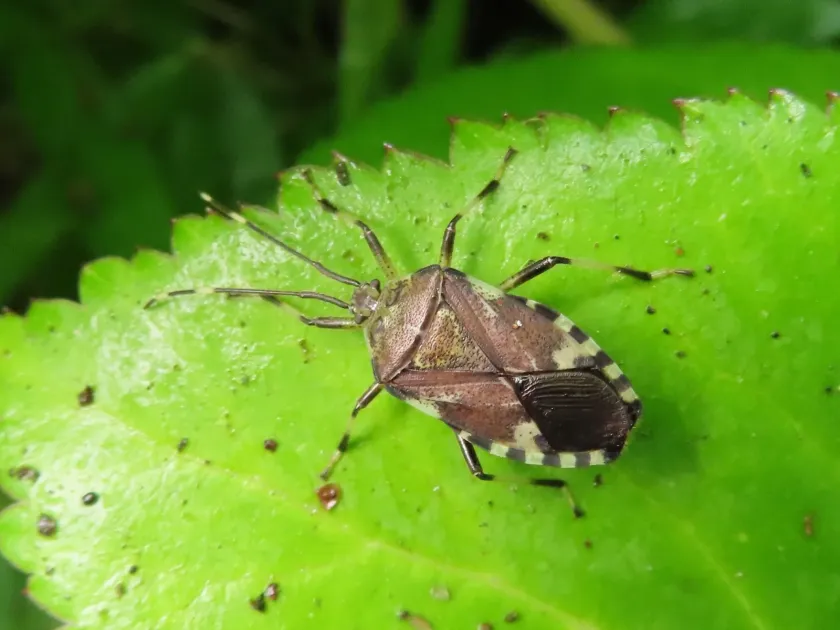
Urochela luteovaria is a member of the Urostylididae family within the order Hemiptera. These insects are characterized by a flattened, shield-like body, typically sporting a yellowish-brown coloration marked with numerous dark spots on the pronotum and hemelytra.
The adult insect features a specialized piercing-sucking mouthpart, which is evolved to extract nutrient-rich plant sap from various tissues. Their body structure is adapted for hiding in narrow crevices, such as bark fissures, during the winter months.
The nymphs go through several molting stages, gradually increasing in size and developing wing pads. Their coloration is often lighter than that of the adults, providing them with effective camouflage against the green leaves of their host plants.
Reproductive behavior involves laying eggs in clusters, usually on the underside of leaves or along stems. This strategy protects the offspring from direct sunlight and potential predators during the early stages of development.
Like many species in the stink bug superfamily, Urochela luteovaria possesses scent glands that emit a pungent odor when the insect is disturbed. This serves as a primary chemical defense mechanism against natural enemies.
What it damages
This pest is primarily associated with plants of the Rosaceae family. It is frequently observed causing damage to apple, pear, and various ornamental trees by feeding on their tender tissues.
Feeding involves inserting the proboscis into leaf veins, floral buds, and developing fruitlets to siphon plant sap. This process causes significant metabolic disruption, leading to stunted growth and loss of vigor in the affected tree sections.
Fruit damage is a major concern, as the feeding activity results in unsightly pitting, malformation, and localized necrosis. These marks diminish the aesthetic and market value of the fruit, making them unsuitable for storage.
Early-season infestation can lead to flower bud abscission, which directly reduces the total yield potential. Additionally, the wounds left by the bugs can become entry points for various bacterial and fungal pathogens.
The severity of the damage is often proportional to the density of the bug population. In instances of high infestation, the cumulative stress on the tree can lead to canopy thinning and reduced photosynthetic capacity.
When it appears
Overwintering occurs at the adult stage, with insects seeking shelter in bark cracks, leaf litter, or protected structures during the autumn. Activity resumes in early spring, synchronized with the onset of bud break.
The peak activity period corresponds to the active growth phase of the trees. During late spring and early summer, the bugs emerge, feed, and mate to begin the first generation of the season.
Lifecycle speed is heavily influenced by ambient temperature and host plant health. Warmer seasons often facilitate faster development, leading to overlapping generations and prolonged presence throughout the summer.
By late summer and early autumn, the population begins to decline as individuals prepare for diapause. This is when the insects move toward sheltered areas to survive the impending winter cold.
Monitoring should be most intense during the period of fruit set. This critical window determines the susceptibility of the crop to damage and provides the best timing for potential management interventions.
Signs of infestation
The most visible indicators of an infestation include the presence of the bugs themselves on leaves or stems, alongside noticeable feeding scars on developing fruit surfaces.
- Yellowing and necrosis of leaf tissue around puncture points.
- Premature fruit or bud drop resulting from nutrient depletion.
- Curling or wilting of young shoots and newly formed leaves.
- Accumulation of small dark fecal spots on the underside of foliage.
An infested tree may show signs of general stress, characterized by slower growth rates and dull-looking leaves. If the infestation is severe, the canopy may appear sparse due to premature leaf fall.
A distinctive, sharp odor may be detected near the foliage when the branches are brushed or disturbed, providing an immediate sign of the bugs' presence.
Control measures
Effective management of Urochela luteovaria requires an integrated approach that combines cultural practices with targeted chemical treatments when necessary.
Cultural methods, such as clearing leaf debris and pruning infected or old bark, reduce available overwintering sites. This significantly helps in lowering the initial population density in the garden.
Biological control involves preserving the habitat for natural predators like spiders, lacewings, and predatory mites, which can suppress bug numbers effectively in a balanced ecosystem.
If population levels exceed economic thresholds, appropriate insecticides should be applied. Choosing systemic products can be effective as they ensure the active ingredient reaches the sap-feeding stages of the pest.
Always follow label recommendations regarding application timing and pre-harvest intervals to ensure the safety and quality of the fruit crop while maximizing the effectiveness of the treatment.
Taxonomy
- Latin name
- Urochela luteovaria
- Order
- Hemiptera (bugs, aphids, leafhoppers)
- Family
- Pentatomidae
- EPPO code
- URCHLU
Discussion
No discussions yet — be the first.