
Typhlodromus kikuyuensis
Typhlodromus kikuyuensis
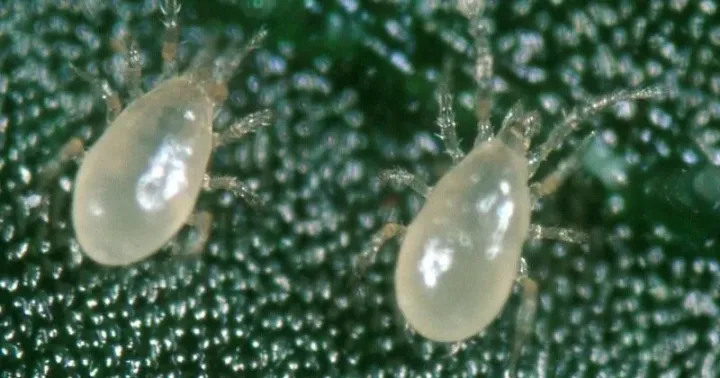
Description
How to identify
Typhlodromus kikuyuensis is a microscopic predatory mite belonging to the Phytoseiidae family. It is a highly specialized biological agent known for its ability to hunt within complex agricultural ecosystems.
The adult mites are pale or yellowish in color, often found inhabiting the underside of leaves where they actively search for prey among the leaf hairs and veins.
Their life cycle includes egg, larval, protonymph, deutonymph, and adult stages, with most stages being active predators capable of contributing to pest population control.
Due to their small size, they are typically identified through specialized microscopy or by using field sampling techniques like leaf washing or mite brushing.
They prefer stable, warm, and humid environments, which makes them highly effective in orchards and perennial crop systems such as coffee plantations or citrus groves.
What it damages
It is crucial to clarify that Typhlodromus kikuyuensis is not a plant pest; it is a beneficial insectivore that helps protect crops from damage.
The species primarily feeds on phytophagous mites, such as the Tetranychidae family (spider mites), which are major agricultural pests responsible for leaf chlorosis and yield loss.
By consuming both eggs and juvenile stages of pests, this predator disrupts the reproductive cycles of mites, preventing large-scale infestations in treated areas.
The mite does not damage plants, as its biological structure is designed exclusively for predatory behavior rather than herbivory.
The presence of this mite in an orchard serves as a biological indicator of a healthy ecosystem and suggests that the reliance on harsh pesticides can be significantly reduced.
Control measures
To maximize the benefits of Typhlodromus kikuyuensis, farmers should adopt integrated pest management (IPM) practices that favor biological control agents.
Avoiding the application of broad-spectrum pesticides that are highly toxic to phytoseiid mites is essential for maintaining a healthy predator population.
The use of selective pesticides that target only specific pests while sparing beneficial mites is a recommended strategy for long-term population stability.
Monitoring the ratio between the predator and the pest population allows for data-driven decisions regarding when and if chemical interventions are truly necessary.
Maintaining microclimatic conditions, such as irrigation management to ensure proper humidity levels, helps support the continuous presence and activity of these beneficial mites.
Taxonomy
- Latin name
- Typhlodromus kikuyuensis
- Order
- Mites
- Family
- Phytoseiidae
- EPPO code
- TYPLKI
Discussion
No discussions yet — be the first.