
Indian Thrush
Turdus simillimus
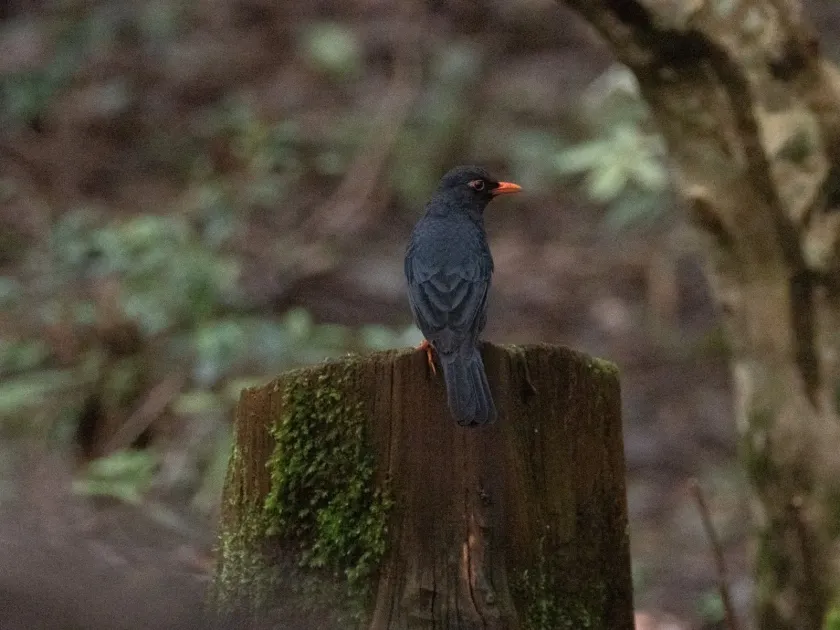
Description
How to identify
The Indian Thrush (Turdus simillimus) is a passerine bird belonging to the thrush family (Turdidae), native to the Indian subcontinent. In an agricultural context, it is recognized as a significant nuisance for orchardists.
The bird is medium-sized with dense plumage that is typically brownish or dark grey, aiding in effective camouflage within the foliage of fruit trees.
While playing an ecological role, the species exhibits opportunistic feeding habits, showing a strong preference for cultivated soft fruits and berries during their maturation phases.
The birds demonstrate high mobility and adaptability to anthropogenic environments, often forming large groups that forage systematically through agricultural plantations.
Understanding their breeding cycles and daily foraging patterns is crucial for farmers attempting to mitigate the damage caused by this species during the peak season.
What it damages
The Indian Thrush causes substantial economic damage by feeding on stone and pome fruits. Key crops at risk include cherries, grapes, strawberries, and various berries.
The primary damage occurs when birds peck at ripening fruit, consuming the pulp and effectively ruining the commercial value of the entire cluster or fruit.
Beyond direct consumption, the wounds inflicted by the birds' beaks act as entry points for secondary pathogens, such as fungal rots, which spread quickly through the orchard.
In small-scale and organic farming, these thrushes can cause devastating losses, with estimates often reaching up to 50% of the ripening crop if no protective measures are taken.
The birds are particularly attracted to high-sugar content fruits, making high-value crops their primary target during the summer months.
When it appears
The risk of damage by the Indian Thrush is highest during the summer months when fruits reach biological maturity and provide a concentrated energy source.
Damage intensity increases in alignment with the local fruiting seasons and the emergence of fledglings, which significantly raises the population's caloric requirements.
Foraging activity peaks during the early morning and late evening, representing the most critical periods for farmers to focus their monitoring and deterrent efforts.
Environmental factors such as prolonged dry spells can drive these birds from wild habitats into managed orchards in search of hydration and nutrition.
Planning for pest control must be strictly synchronized with the phenological development of the crops, starting from the onset of veraison or fruit color change.
Signs of infestation
The most prominent sign of an Indian Thrush infestation is the presence of mechanical damage on fruits, typically characterized by deep, jagged pecking marks.
These damaged spots often show signs of rapid oxidation or early-stage decay, making the affected fruits unsightly and prone to mold growth.
- Accumulation of bird droppings on foliage and orchard floors.
- High quantities of half-eaten or knocked-down fruits scattered beneath trees.
- Increased noise levels and visible flight patterns of thrush groups within the plantation.
- Localized damage to protective netting or exclusion materials.
Observing these signs confirms that the local bird population has established a feeding routine within the orchard, requiring immediate intervention.
Control measures
The most effective method for controlling damage is the installation of fine-mesh exclusion netting, which provides a physical barrier preventing birds from reaching the fruit.
Bioacoustic deterrents, which play alarm calls or predator sounds, can be effective if deployed early and combined with occasional rotation of sound signals.
Visual deterrents like reflective tapes and decoys can serve as supplementary tools, though they require strategic placement and frequent movement to prevent bird habituation.
Timely harvest management is essential; removing ripe fruit as quickly as possible reduces the time window during which the orchard remains attractive to pests.
Integrated pest management strategies often combine netting with sanitation efforts to ensure no alternative food sources remain available near the crop area.
Taxonomy
- Latin name
- Turdus simillimus
- Family
- Turdidae
- EPPO code
- TURDSI
Discussion
No discussions yet — be the first.