
Timaliidae
Turdoides
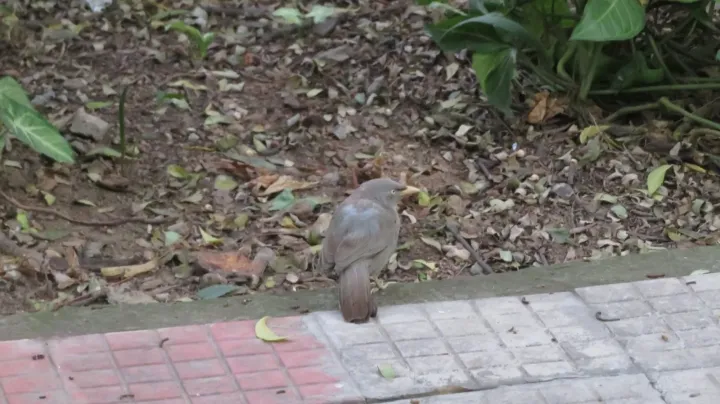
Description
How to identify
The Timaliidae family, commonly known as babblers, includes several species of the Turdoides genus. These birds are characterized by their social behavior and preference for dense vegetation, where they forage in groups to maximize their search efficiency.
Physically, they possess strong, robust bodies and adapted feet for ground foraging. Their plumage is often dull or mottled, providing excellent camouflage in agricultural landscapes, which makes early detection of their presence quite difficult for field scouts.
The biological cycle of these birds involves highly social nesting habits and intensive parental care. They are known for being resilient and capable of adapting to various climates, often extending their range into agricultural areas where food resources are abundant.
Due to their highly developed social structures, these birds display complex group dynamics, including coordinated searching for food and defensive strategies against predators, which makes them resilient to basic disturbance tactics.
Agricultural monitoring should focus on recognizing the distinctive call patterns and group movements characteristic of this genus, as their presence can sometimes overlap with other avian species that cause more significant commercial damage.
What it damages
The primary damage caused by these birds occurs during the planting season, when they consume seeds newly sown into the soil. This results in poor crop establishment and necessitates expensive reseeding operations in affected sectors.
During the harvest period, they pose a threat to fruit and vegetable crops. By pecking at maturing fruits, they leave open wounds that quickly become entry points for secondary fungal and bacterial diseases, drastically reducing the market value of the produce.
Large groups of these birds can significantly flatten young crops due to trampling. As they move across the field in dense flocks, they break fragile stems and disrupt the growth of seedlings, leading to uneven crop stands.
Furthermore, they can act as vectors for weed seeds, depositing them across fields during their foraging movements. This increases the weed management burden for farmers, requiring additional chemical or mechanical intervention.
In regions where Timaliidae populations are high, they can cause substantial yield losses, particularly in fields adjacent to their natural nesting grounds or hedgerows, making crop protection a critical part of farm management.
Signs of infestation
The first sign of activity is often the observation of missing seeds at the soil surface, accompanied by small, distinctive tracks left by the birds. These tracks are usually found in grouped patterns across the soil.
Plant damage displays specific mechanical signatures, such as rough, jagged edges on leaves or fruits where a bird's beak has made contact. These marks are easily distinguishable from the cleaner incisions typical of insect larvae.
The occurrence of noisy activity early in the morning or late in the afternoon is a strong indicator of an active foraging group. Since they are social birds, their vocalizations are often the most immediate sign of their presence on the farm.
Visible trampling of tender sprouts across the field surface confirms that the area is being used for mass feeding. This requires immediate field inspection to determine the level of damage and the necessity of deploying protection measures.
Observations of secondary rot appearing on fruits within days of the initial damage are indicative of avian activity. Monitoring these sites closely can help prevent the rapid spread of infections caused by the initial bird strikes.
Control measures
Effective management requires a multi-layered approach to bird deterrence. Bioacoustic devices that replicate predator calls have been proven effective, provided they are rotated frequently to prevent habituation by the smart Timaliidae flocks.
- Placement of reflective tape and visual deterrents such as predator decoys.
- Installation of bird-exclusion netting for high-value fruit crops.
- Deep placement of seeds during planting to reduce access for ground-foraging birds.
- Regular management of surrounding hedgerows to minimize nesting availability.
Cultural practices are also essential in reducing crop attractiveness. Ensuring clean field borders and managing nearby bushy areas helps limit the number of resting spots for birds during the day, making the main field less appealing for colonization.
Integrated Pest Management (IPM) for birds encourages the use of non-lethal deterrents first. By disrupting their foraging patterns early, farmers can protect their yields while maintaining the beneficial role these birds play in suppressing insect populations elsewhere.
Taxonomy
- Latin name
- Turdoides
- Family
- Timaliidae
- EPPO code
- TRDDSP
Discussion
No discussions yet — be the first.