
Truxalis brevicornis
Truxalis brevicornis
Description
How to identify
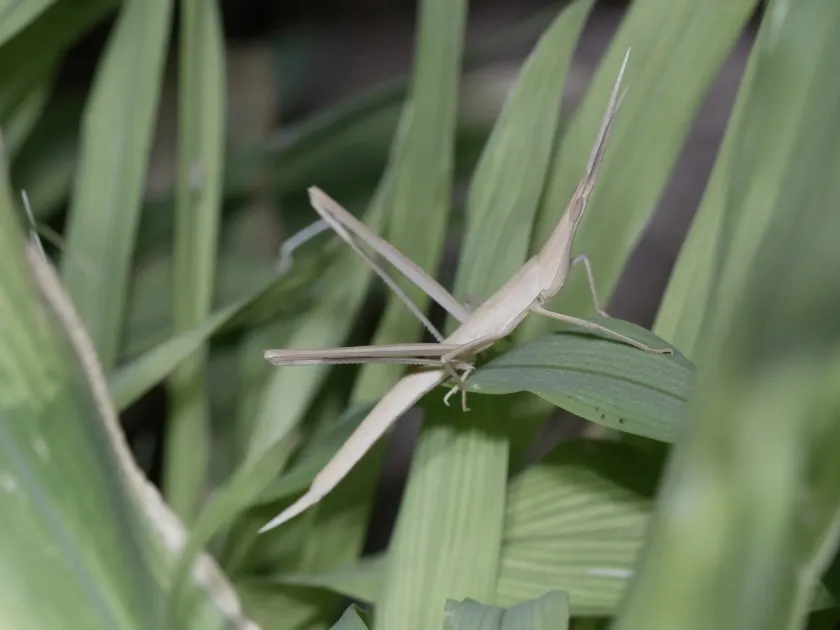
Truxalis brevicornis is a member of the Acrididae family, commonly known as a grasshopper, known for its distinctive elongated body and camouflage capabilities.
The adults are characterized by a conical head and flattened antennae, which are clearly visible at the base, serving as a primary identification feature.
Their body length can range from 30 to 65 mm, with coloration ranging from green to brownish-yellow, allowing them to blend perfectly into grass.
They possess strong hind legs designed for jumping, which helps them escape predators and move efficiently through agricultural fields.
Nymphs resemble smaller, wingless versions of adults and undergo several developmental stages before reaching sexual maturity.
What it damages
This species primarily feeds on cereal crops such as wheat, barley, maize, and various types of fodder grasses found near field margins.
Both nymphs and adults consume leaf tissue, which reduces the plant's photosynthetic capacity and hinders overall growth and vigor.
In cases of high infestation, they can severely damage young crops, leading to significant yield losses and stunted plant development.
The insects target both the leaves and stems, often leading to lodging and increased vulnerability to secondary plant diseases.
Their polyphagous nature allows them to move between different crops and wild plants, making them a persistent challenge during the growing season.
When it appears
The lifecycle of Truxalis brevicornis is strictly regulated by climate, with eggs overwintering in the soil until spring temperatures rise.
The emergence of nymphs occurs when the soil reaches optimal temperatures, usually coinciding with the active growth phase of winter cereals.
Summer months are the period of peak activity, during which the insects feed intensively and reach the reproductive stage.
Egg-laying takes place in late summer or autumn, where eggs are deposited in protective pods buried within the soil layer.
Environmental factors like humidity and heat significantly influence the survival rate of the nymphs and the density of the adult population.
Signs of infestation
The most common sign of infestation is irregular, jagged feeding marks along the edges of leaves caused by the insect's mouthparts.
Stunted growth, yellowing foliage, and thinning crop stands are classic indicators that a population of grasshoppers has been feeding on the field.
Observing the insects jumping when walking through the crops is a reliable way to confirm their presence and estimate population density.
Small dark fecal pellets left on the leaves indicate active feeding areas and the location of the pest colony.
Damaged stems often show signs of mechanical stress, which can lead to premature drying of plant tissues and reduced grain quality.
Control measures
Cultural control via autumn plowing is the most effective method, as it exposes egg pods to extreme cold and surface desiccation.
Maintaining clean field borders by removing weeds reduces potential breeding sites and limits the population growth of the grasshoppers.
If the economic threshold is exceeded, the application of targeted insecticides is recommended to manage populations effectively.
Integrated pest management (IPM) strategies, including the use of entomopathogenic fungi, offer sustainable ways to suppress pest numbers.
Regular monitoring of field margins and interior plots during the spring is crucial for timely detection and early intervention.
Taxonomy
- Latin name
- Truxalis brevicornis
- Order
- Orthoptera (locusts)
- Family
- Acrididae
- EPPO code
- TRUXBR
Discussion
No discussions yet — be the first.