
Tadpole shrimp
Triops cancriformis
Description
How to identify
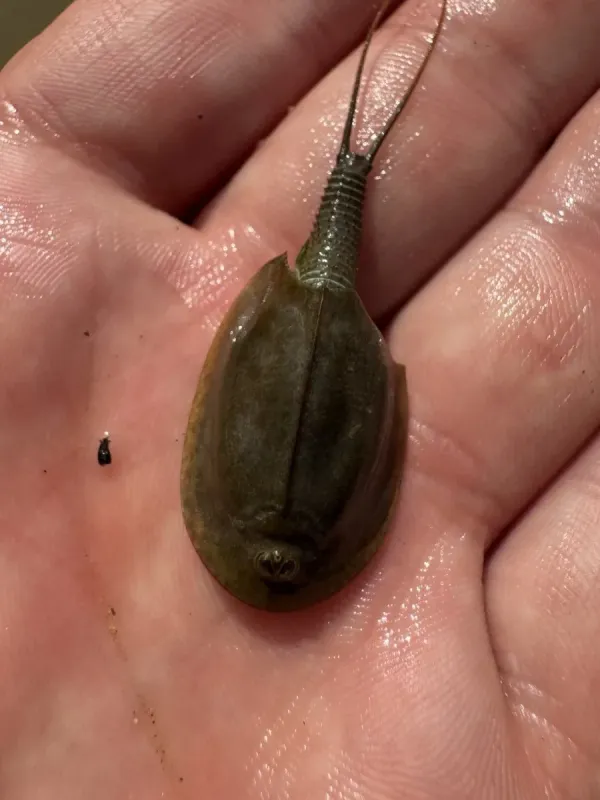
The tadpole shrimp (Triops cancriformis) is a member of the order Notostraca within the class Branchiopoda. It is often described as a living fossil due to its prehistoric appearance.
The species is characterized by a large, flat, shield-like carapace that covers the front part of its body, giving it the appearance of a small tadpole or horseshoe crab.
Adult tadpole shrimp typically range from 3 to 10 centimeters in length and possess numerous pairs of swimming legs located along the ventral side of their abdomen.
Their coloration is generally brownish, olive, or grey, which provides effective camouflage against the muddy bottoms of the temporary ponds and rice fields they inhabit.
They are famous for their resting eggs (cysts), which can survive extreme environmental stress, including complete desiccation and freezing, for many years.
What it damages
Tadpole shrimp are known to cause significant damage to young rice plants in flooded paddies during the early stages of crop development.
The pests primarily feed on the tender roots and young shoots of rice seedlings, causing the plants to become uprooted or severed.
Beyond direct feeding, their active movement through the muddy bottom of the field significantly increases water turbidity, which hinders the photosynthesis of young rice plants.
High populations of this pest can lead to extensive thinning of crops, sometimes resulting in complete field failure if left unmanaged during the critical establishment phase.
The damage is particularly severe in fields where direct seeding into water is practiced, as the seedlings are highly vulnerable to the shrimp's feeding behavior.
When it appears
The life cycle of the tadpole shrimp is triggered by the inundation of rice fields, which provides the necessary water conditions for their resting eggs to hatch.
Upon flooding, and provided the water temperature is favorable, the larvae emerge rapidly and begin their intense growth phase.
The critical period for damage is the first few weeks after flooding, during which the shrimp actively consume the available seedling resources.
Their development is rapid, often reaching sexual maturity within a few weeks, which allows the population to cause substantial damage in a very short window of time.
Once the water recedes or the drying cycle begins, the adults perish, leaving behind a new generation of cysts embedded in the sediment.
Signs of infestation
The primary sign of a tadpole shrimp infestation is the appearance of bare patches within the rice field where young seedlings have been destroyed or uprooted.
Observers may notice floating plant fragments on the water surface, indicating that the rice seedlings have been cut at the base.
Increased water turbidity, which makes the paddies look cloudy and muddy compared to uninfested areas, is a strong indicator of the shrimp's presence and activity.
Direct visual observation of the shrimp swimming near the surface or burrowing into the sediment is possible during the daylight hours.
Expanding zones of damage across the rice paddy are a definitive sign that the population is growing and actively consuming the crop.
Control measures
The most common and effective management strategy is to drain the rice field for several days, which causes the tadpole shrimp larvae to perish due to dehydration.
The use of approved chemical pesticides or molluscicides can be employed to control large outbreaks if draining is not feasible or effective.
Practicing water management, such as maintaining consistent water levels and ensuring good soil preparation, can help limit the impact of these pests.
Seed treatment or ensuring faster germination and seedling growth can reduce the window of vulnerability, allowing the rice to outgrow the threat posed by the shrimp.
Regular monitoring of fields immediately after irrigation is crucial for early detection and rapid deployment of control measures to prevent significant yield losses.
Taxonomy
- Latin name
- Triops cancriformis
- Family
- Triopidae
- EPPO code
- TRPSCA
Discussion
No discussions yet — be the first.