
Lappet moth
Trichiura
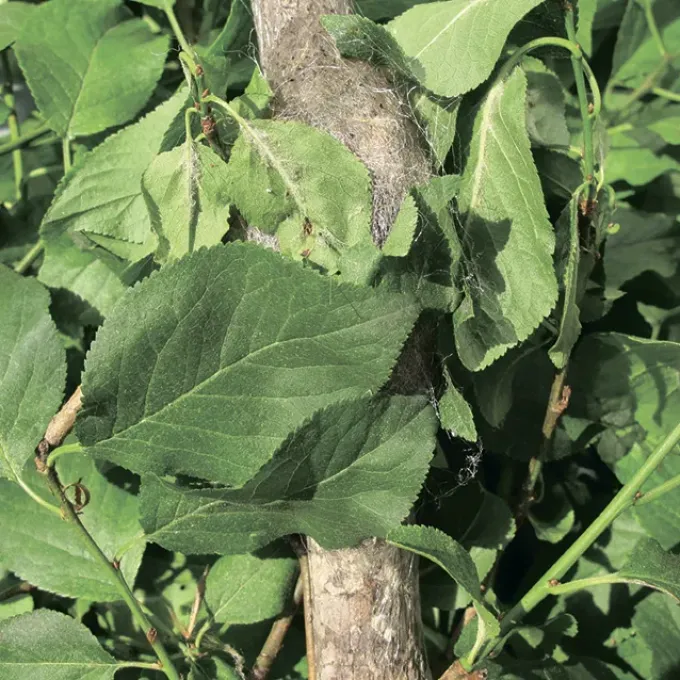
Description
How to identify
The Lappet moth (Gastropacha quercifolia) is a large moth belonging to the family Lasiocampidae. Its name comes from the characteristic leaf-like appearance it assumes when resting, which provides exceptional camouflage against branches.
The adult moth features brownish, wavy-edged wings that mimic dry foliage. With a wingspan ranging from 70 to 90 mm, it is a significant moth species in temperate regions. Females are typically larger than males.
The larvae, or caterpillars, are known for their distinct hairy bodies, which are grayish or brownish. They possess specific colored patches on their thoracic segments, which serve as a key identification feature for entomologists.
Pupation occurs within a firm, elongated, dark-brown cocoon. These cocoons are typically attached to bark or twigs, blending perfectly with the environment to avoid predation by birds.
The life cycle is univoltine, meaning there is one generation per year. Larvae overwinter in a dormant state, hidden within the crevices of tree bark, ready to resume feeding as soon as spring temperatures arrive.
What it damages
Lappet moth caterpillars are voracious defoliators, feeding on a wide variety of deciduous trees and shrubs. Their feeding habits can significantly reduce the vitality of their host plants.
In orchards, these caterpillars frequently attack apple, pear, plum, and cherry trees. Heavy infestations can lead to substantial defoliation, which directly impacts the tree's energy reserves and fruit quality.
Beyond cultivated orchards, the larvae feed on forest trees such as oak, willow, poplar, and hawthorn. In woodland settings, large outbreaks can cause visible damage to entire stands of trees.
The damage is characterized by the consumption of leaf tissue, leaving only the veins behind. This skeletal appearance of the leaves reduces the plant's capacity for photosynthesis, weakening the overall structure.
Repeated defoliation over several seasons renders trees more susceptible to secondary environmental stresses, drought, and infections from pathogens, potentially leading to long-term decline.
When it appears
Adult moths are typically on the wing from late June through August. They are nocturnal and are strongly attracted to artificial lights, which is often how their presence in an area is first detected.
Eggs are laid in small clusters on the underside of leaves. After an incubation period of approximately two weeks, larvae emerge and begin feeding immediately to prepare for their upcoming winter dormancy.
Caterpillars remain active until autumn, at which point they seek shelter on the trunk or in dense vegetation to overwinter. They emerge in the spring to feed on fresh buds and young leaves.
The peak feeding period occurs in late spring and early summer as caterpillars reach maturity. This is the most crucial window for monitoring and implementing intervention strategies.
By mid-summer, the larvae reach full size and construct their cocoons to pupate. The cycle completes when the new generation of adults emerges later in the season.
Signs of infestation
The most immediate sign of an infestation is the presence of frass (caterpillar droppings) accumulating on the leaves or the ground beneath the tree canopy.
Visual inspection of the foliage often reveals skeletal leaves where only the main veins remain. Despite their size, caterpillars are often difficult to spot due to their protective coloration.
Examine the main trunk and the base of branches for the presence of dark, compact cocoons during the summer months. These indicate that the moth population is completing its transformation.
Early spring damage, such as missing buds or young, ragged leaves, indicates that overwintering larvae have begun feeding. Regular monitoring during these months is essential for effective control.
- Skeletal leaf damage during the growth season.
- Accumulation of larval excrement on lower branches.
- Presence of pupal cocoons on bark or twigs.
Control measures
Biological control, particularly the use of Bacillus thuringiensis-based sprays, is highly effective against young larvae and is considered environmentally friendly for orchard management.
Manual removal of caterpillars and their cocoons is a practical and effective strategy for small-scale gardens or low-density infestations where chemical use is not desired.
Chemical intervention should involve insecticides registered for specific fruit crops, ensuring they are applied before fruit ripening to avoid residues and protect beneficial insects.
Encouraging biodiversity in the orchard by providing habitats for birds and parasitic wasps helps to maintain a natural balance and keep Lappet moth populations below harmful thresholds.
Cultural practices, such as scraping loose bark from tree trunks during the winter, can effectively destroy hibernating larvae and reduce the size of the following generation.
Taxonomy
- Latin name
- Trichiura
- Order
- Lepidoptera (butterflies)
- Family
- Lasiocampidae
- EPPO code
- TRIISP
Discussion
No discussions yet — be the first.