
Anadiasa
Anadiasa
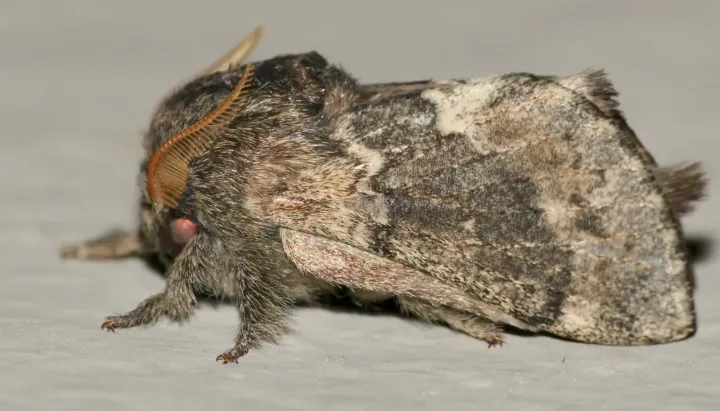
Description
How to identify
Anadiasa is a genus of moths belonging to the family Lasiocampidae (the eggar moths). These insects are predominantly nocturnal, making them difficult to spot during the day when they rest motionless on tree trunks or branches.
The larvae, or caterpillars, of Anadiasa are often characterized by cryptic coloration and dense hair cover, which allows them to mimic the texture and appearance of tree bark or dry twigs, acting as a defense mechanism against avian predators.
The life cycle encompasses four main stages: egg, larva, pupa, and imago. The female moths deposit eggs on host plants, and the synchronization between the hatching period and the availability of tender foliage is critical for the survival of the larvae.
Adult moths are heavy-bodied and fly primarily at night. They rely on their camouflage to avoid detection during daylight hours, while their flight activity is largely dependent on ambient temperatures and environmental humidity levels.
Field identification requires vigilance, as the caterpillars often feed in concealed locations within the dense canopy of trees, making manual inspection a slow but necessary practice for accurate pest monitoring.
What it damages
Anadiasa larvae are phytophagous and cause significant damage to the foliage of various woody plants. By consuming leaf tissue, they reduce the photosynthetic efficiency of the tree, which can lead to stunted growth.
During outbreak years, these caterpillars can cause near-complete defoliation of trees. This extreme stress makes the trees susceptible to secondary invasions by bark beetles and various fungal pathogens that exploit weakened defense systems.
In addition to foliage, younger larvae may damage developing buds and tender shoots, which negatively impacts the tree's structural development and, in fruit-bearing varieties, reduces the overall yield.
Persistent infestation over several seasons can lead to dieback of twigs and smaller branches. The energy expenditure required for the tree to regrow leaves often exhausts nutrient reserves, weakening the plant's overall vitality.
The damage is not limited to physical loss of biomass; it also includes physiological stress, where the metabolic processes of the plant are severely hindered, affecting its ability to harden off before the winter season.
Signs of infestation
The presence of irregular notches and holes on leaf margins is a key indicator of Anadiasa larval feeding. While early instar damage may be subtle, older caterpillars consume entire leaf blades, leaving only the main veins.
Frass (larval droppings) appearing as small, dry, granular pellets under the tree canopy is a strong indicator that caterpillars are feeding above. Observing these droppings is often the easiest way to detect a pest presence before major damage is visible.
Silken threads or webs connecting leaves or wrapping around twigs can indicate the presence of social or semi-gregarious larvae. These structures often serve as shelter during molting or rest periods.
Visible changes in the leaf canopy, such as sparse foliage in specific areas of the crown or localized chlorosis due to extensive feeding, suggest that the tree is under physiological stress from a pest infestation.
If caterpillars are dislodged easily during branch shaking, it is a sign of a significant population density that requires immediate monitoring or intervention to prevent further spread.
Control measures
Cultural control methods involve maintaining tree vigor through appropriate fertilization and irrigation, as healthy trees are better equipped to tolerate and recover from low to moderate levels of larval herbivory.
Biological control plays a crucial role in management. Encouraging populations of predatory insects, birds, and parasitoid wasps can significantly suppress Anadiasa numbers naturally without the need for synthetic chemicals.
Chemical control should be targeted specifically at the vulnerable early larval stages. Using selective insecticides that minimize impact on beneficial organisms is recommended to maintain the ecosystem balance in the orchard.
Light traps are highly effective for monitoring the flight of adult moths, allowing growers to time their protective measures precisely based on the peak activity of the pest's reproductive cycle.
- Manual removal of egg masses and clusters from the bark during winter.
- Application of microbial insecticides like Bacillus thuringiensis.
- Use of sticky bands on tree trunks to prevent caterpillars from migrating.
- Pruning of infested branches to remove large larval colonies during early development.
Taxonomy
- Latin name
- Anadiasa
- Order
- Lepidoptera (butterflies)
- Family
- Lasiocampidae
- EPPO code
- ANADSP
Discussion
No discussions yet — be the first.