
Trepidaria
Trepidaria
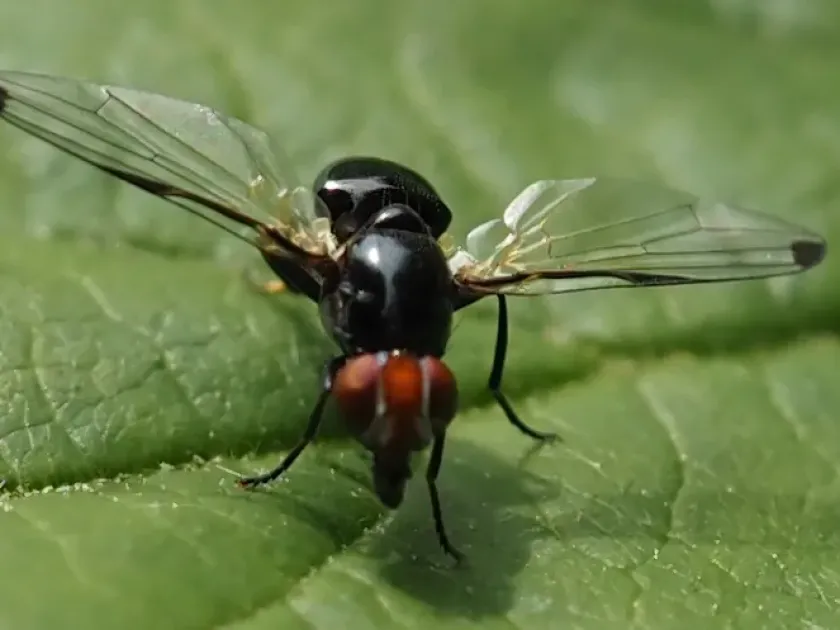
Description
How to identify
Trepidaria is a genus of insects belonging to the order Diptera and the family Tephritidae. These small flies are known for their intricate wing patterns, which serve as a diagnostic feature for identifying species within this genus in both field and laboratory settings.
Adult flies typically exhibit a small body size with coloration ranging from yellowish-brown to dark brown. Their heads are usually spherical, featuring prominent compound eyes. The wings are characterized by distinct dark spots or bands, providing camouflage against the plant foliage they inhabit.
The larvae of Trepidaria, consistent with the Tephritidae family, are legless, maggot-like creatures with creamy or white coloration. They lead an endophytic lifestyle, boring into plant tissues where they complete their development, making them difficult to detect during initial scouting.
Systematically, this genus falls under the broad category of fruit flies and related species, many of which are considered significant agricultural pests. Accurate species identification often requires microscopic examination of genital structures due to the high morphological similarity among related Tephritids.
Understanding the basic morphological and systematic characteristics of Trepidaria is essential for agronomists to implement effective monitoring and management programs to protect high-value crops from potential infestations.
What it damages
Trepidaria primarily affects plants within the Asteraceae family. The damage is largely caused by the larvae, which feed on the internal tissues of stems or floral organs, often leading to the formation of galls or abnormal structural deformations.
In agricultural systems, significant damage is observed in flower crops, medicinal plants, and various oilseeds. Larvae penetrate the stems or leaf petioles, excavating galleries that disrupt the vascular transport of nutrients and water within the plant.
Infested buds often fail to open properly, and seed heads may suffer from poor development or total loss of viability. The plant diverts energy towards repairing the damage, which severely compromises its overall physiological vigor and potential for yield.
Furthermore, larval feeding creates entry points for secondary infections, such as bacterial or fungal pathogens. These infections often lead to necrosis or premature rot, further damaging the plant and complicating the identification of the primary pest.
The severity of the damage is directly proportional to the larval density. High levels of infestation can lead to substantial yield reductions on affected acreage, necessitating prompt intervention by crop protection services.
When it appears
The seasonal activity of Trepidaria is closely linked to the phenology of its host plants. Adult flight typically coincides with the period of active stem elongation or the early budding phase of the crop's life cycle.
The life cycle can vary based on regional climatic conditions, with some areas supporting multiple generations per growing season. This high reproductive potential poses a significant challenge for ongoing control efforts throughout the year.
Females oviposit directly into the tissues of young plant stems or flower buds. Once hatched, the larvae immediately begin feeding inside the plant, remaining in this protected environment until they are ready to pupate.
Overwintering typically occurs in the pupal stage within the soil or in plant debris. This biological trait underscores the importance of post-harvest field sanitation and deep tillage practices to reduce the following year's pest population.
Monitoring for adult flies using yellow sticky traps is a standard practice for predicting the timing of infestation. Tracking these patterns allows for the strategic timing of insecticide applications before the next generation of larvae can establish themselves.
Signs of infestation
The primary sign of a Trepidaria infestation is the presence of galls or irregular swellings on plant stems. These structural anomalies are easily identifiable during routine field inspections during the mid-vegetative season.
Yellowing of leaves and wilting of terminal shoots are also common indicators that internal tissues are being consumed by larvae. Close examination of the stem near the wilted area often reveals entry holes or scars.
Upon dissecting affected buds or stems, one can often observe galleries filled with frass, along with the larvae themselves. These galleries are definitive evidence of internal feeding, indicating that the damage has reached a critical stage.
Early signs include small brown scars or puncture marks on the stems, which are the sites of oviposition. Timely identification of these marks during the early season is crucial for preventing widespread colonization.
The observation of adult flies on the foliage during the spring is a key indicator to begin control measures. Since eggs are laid shortly after adult activity begins, this is the most effective time to intervene.
Control measures
Managing Trepidaria requires an integrated approach to crop protection. Cultural practices, such as strict crop rotation, are fundamental to preventing the build-up of pest populations in fields where susceptible plants are grown.
Deep plowing in the autumn is a highly effective method to destroy pupae overwintering in the soil. This practice significantly reduces the number of adults that emerge the following spring, effectively lowering the pest pressure.
Field sanitation is essential; weeds belonging to the Asteraceae family should be regularly removed as they can serve as alternative hosts, maintaining the pest population even when the main crop is not present.
Chemical control usually involves the use of systemic insecticides, which can be absorbed into plant tissues to target the larvae feeding internally. Applications must be timed precisely to occur before the larvae bore deep into the plant.
- Utilizing spatial isolation between fields to limit spread.
- Selecting cultivars with higher tolerance to stem-boring pests.
- Regular monitoring with yellow sticky traps to track flight.
- Removal and destruction of heavily infested plant materials.
Taxonomy
- Latin name
- Trepidaria
- Order
- Diptera (flies)
- Family
- Micropezidae
- EPPO code
- TRPDSP
Discussion
No discussions yet — be the first.