
Micropeza corrigiolata
Micropeza corrigiolata
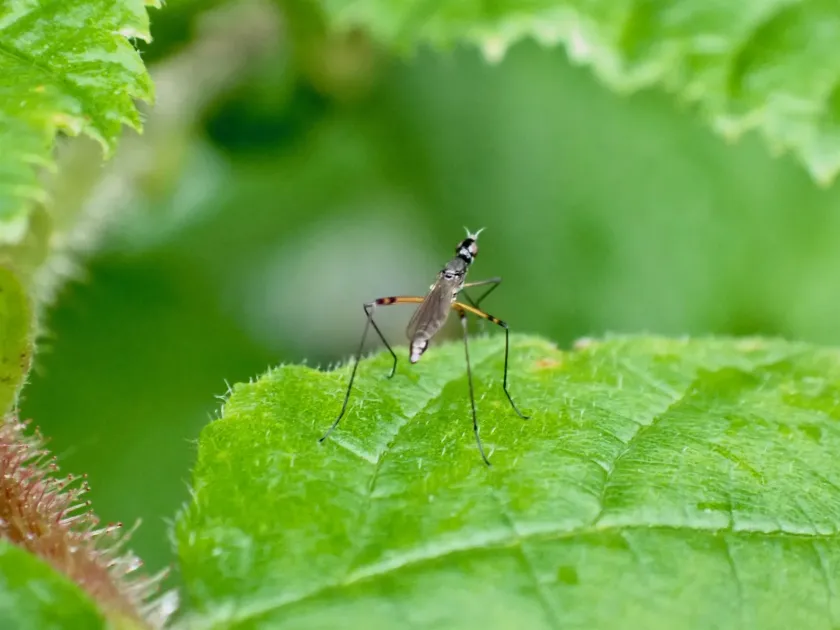
Description
How to identify
Micropeza corrigiolata is a species of fly belonging to the family Micropezidae, commonly known as stilt-legged flies. These insects are easily recognized by their extremely long, slender legs and elongated bodies, which give them a very distinct and fragile appearance.
The adult flies are typically dark-colored, ranging from brownish to black. Their wings are generally transparent or slightly smoky, and their overall body structure is highly specialized for maneuvering through dense vegetation.
The lifecycle follows a complete metamorphosis: egg, larva, pupa, and adult. The larval stage is primarily terrestrial and cryptic, spending much of its life within the upper layers of the soil or in decaying organic matter.
Adults are most active during the warmer months, preferring moist, shady habitats. They are agile movers and are often found resting on the leaves of plants, though they rarely perform long-distance flights.
The adaptability of this species to various soil conditions allows it to thrive in diverse agricultural settings, making it a persistent resident in many temperate gardens and fields.
What it damages
Micropeza corrigiolata is known to cause damage to the root systems and stems of various agricultural crops, particularly affecting vegetables and legumes that are vulnerable in their early growth stages.
The damage is primarily inflicted by the larvae. As they feed, they burrow into the plant's roots and the base of the stem, effectively disrupting the vascular system and hindering the uptake of water and nutrients.
Infected plants display clear symptoms of stunted growth, leaf yellowing, and a lack of vitality. If the infestation is severe, the root system can be compromised to the point where the plant withers and dies.
The economic impact of this pest is highest when infestation occurs early in the season, as the young plants have not yet developed enough biomass to withstand the stress caused by larval feeding.
The level of damage is often correlated with soil moisture levels, as these flies prefer humid environments that support the survival and development of their offspring.
When it appears
Adult Micropeza corrigiolata usually emerge from the soil in late spring and early summer, triggered by the rising temperatures and increasing day length of the season.
The peak activity period for adult flies occurs throughout June and July, during which time they mate and females lay eggs in the moist soil surrounding suitable host plants.
The larval stage remains active throughout the late spring and summer months, coinciding with the critical growth period of most vegetables, making this the time of highest crop vulnerability.
As autumn approaches, the larvae seek deeper levels in the soil to pupate. They overwinter as puparia, which are resistant to the cold temperatures of the winter season.
Understanding this seasonal timing is essential for timing cultural interventions, as the window of vulnerability is narrow but significant for crop yield protection.
Signs of infestation
The first sign of an infestation is often a sudden loss of turgor in the plants, where they appear wilted despite adequate irrigation, pointing towards underground root issues.
Close inspection of the base of the plant may reveal physical signs of larval activity, such as darkened tissue, necrosis, or small entry holes leading into the primary roots or stem.
Observation of the adult flies on the foliage or nearby soil during the early morning hours can be an early indicator of a developing population on the plot.
Excavating the soil around a suspected wilted plant often confirms the presence of the larvae, which are typically small, white, and active within the root zone.
Consistent lack of plant vigor across a specific area of the garden compared to healthy zones often provides a strong clue that a subterranean pest is present.
Control measures
Cultural control is the most effective approach to managing this pest. Implementing a strict crop rotation strategy prevents the build-up of larval populations in the soil over time.
Mechanical control, such as regular weeding and loosening of the soil, is highly recommended as it disturbs the larvae's habitat and speeds up the drying of the topsoil, which they dislike.
Sanitation practices, including the removal of decaying crop debris, reduce the available nesting and feeding sites for the larvae, effectively limiting the population density.
When necessary, appropriate soil-applied insecticides can be used; however, they must be selected based on local guidelines for specific vegetable crops to ensure safety and effectiveness.
- Deep autumn plowing to expose overwintering puparia to predators and frost.
- Ensuring proper soil drainage to avoid waterlogging, which attracts these flies.
Taxonomy
- Latin name
- Micropeza corrigiolata
- Order
- Diptera (flies)
- Family
- Micropezidae
- EPPO code
- MCPZCO
Discussion
No discussions yet — be the first.