
Tolype innocens
Tolype innocens
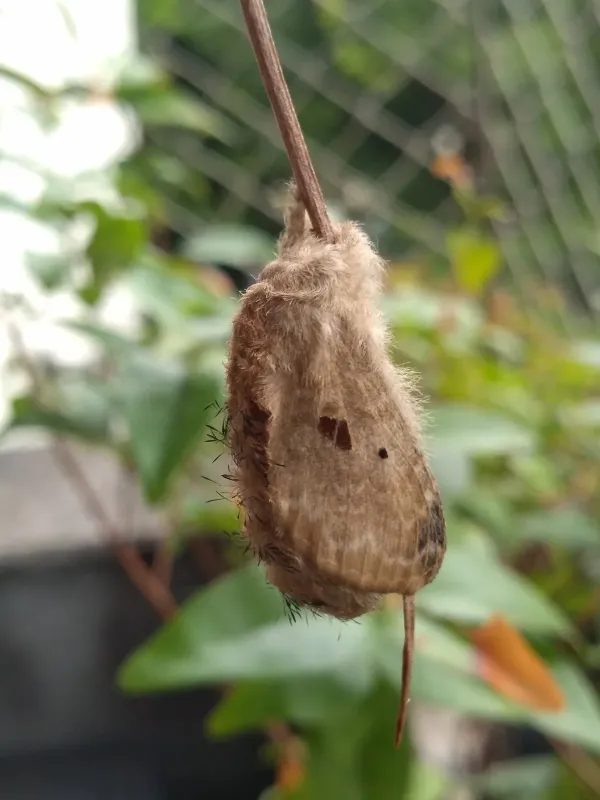
Description
How to identify
Tolype innocens is a moth species belonging to the Lasiocampidae family, commonly known as lappet moths, characterized by their robust bodies and thick hair covering.
Adult moths feature intricate wing patterns that serve as excellent camouflage against tree bark, allowing them to remain virtually invisible during the day.
The larvae, or caterpillars, are known for having specialized hairs that can cause significant skin irritation or allergic reactions in humans and pets.
Caterpillar coloration often changes according to their developmental stage and surroundings, providing a successful survival strategy against predators.
The life cycle encompasses complete metamorphosis, including egg, larva, pupa, and adult stages, each requiring specific environmental conditions to thrive.
What it damages
These caterpillars primarily feed on a variety of woody plants and shrubs, frequently targeting species within the Rosaceae family and other deciduous trees.
The primary damage is inflicted by the larvae, which voraciously consume leaf tissue, often skeletonizing the leaves or leaving only the midribs behind.
Large outbreaks of this pest can cause massive defoliation, which severely weakens the host plant and makes it susceptible to secondary infections and diseases.
Defoliation negatively impacts photosynthesis, which in turn reduces the plant's ability to store energy and limits growth for the following seasons.
In orchards and nurseries, the infestation leads to reduced fruit yield and may hinder the overall health and vigor of young trees.
When it appears
Pest activity is closely synchronized with the plant's growing season, as the emergence of young foliage provides the necessary nutrition for the larvae.
Caterpillar emergence typically coincides with the bud-break phase in spring, ensuring the larvae have immediate access to soft, digestible plant material.
Adult flight activity usually occurs in the late summer, when the moths engage in mating and oviposition, placing their eggs on the branches of host trees.
The number of generations per year can vary significantly depending on regional climatic conditions, impacting the total population pressure on the landscape.
The winter is typically spent in the egg stage, with eggs attached to tree branches and camouflaged by scales shed from the female's abdomen.
Signs of infestation
Initial signs of infestation include jagged leaf edges and irregular holes in the leaf canopy, often observed in the upper reaches of the tree.
The presence of the caterpillars themselves, which are often gregarious in their early stages, is the most definitive indicator of an infestation.
- Sparse or missing leaf foliage
- Silk webs or cocoons on branches
- Frass (caterpillar droppings) visible on lower foliage
- Stunted growth of new terminal shoots
- Chewing marks on young bark or buds
Progressive wilting or discoloration of individual branches can be a sign that the pest population has reached a critical level on the affected tree.
During the late larval stages, thick cocoons may be seen attached to the bark or within the crotches of tree limbs as the larvae prepare to pupate.
Control measures
Mechanical control involves regular orchard monitoring and the physical removal of egg masses or caterpillar clusters during the dormant winter period.
The application of biological insecticides, such as Bacillus thuringiensis, is highly effective against young larvae while sparing beneficial insect species.
Chemical control should be reserved for high-population scenarios where significant aesthetic or economic damage to the plant host is imminent.
Promoting a healthy environment for birds and predatory insects can help suppress pest populations naturally without heavy reliance on synthetic pesticides.
Proper horticultural practices, including balanced fertilization and corrective pruning, keep trees vigorous and better able to recover from pest feeding.
Taxonomy
- Latin name
- Tolype innocens
- Order
- Lepidoptera (butterflies)
- Family
- Lasiocampidae
- EPPO code
- TLYPIN
Discussion
No discussions yet — be the first.