
Thosea plumbea
Thosea plumbea
Description
How to identify
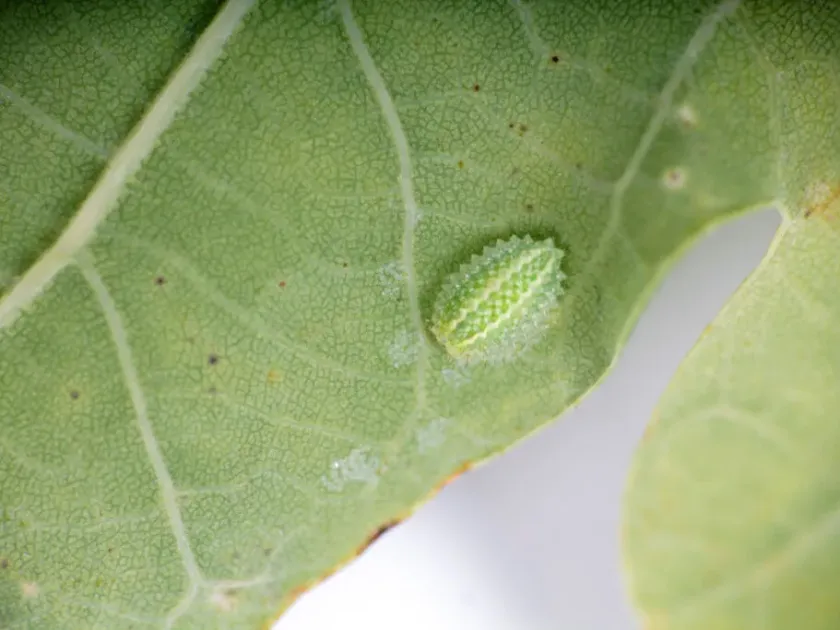
Thosea plumbea is a member of the Limacodidae family, commonly known as slug caterpillars. The larvae are distinctively shaped, appearing flat and broad with a smooth texture that resembles a small slug rather than a typical caterpillar, as their legs are not clearly visible.
The larvae often display vivid, warning coloration, including patterns of stripes or spots that serve as a defense mechanism against predators. Some species in this family possess stinging hairs, so caution should be exercised when handling infested foliage.
Adult moths are stout-bodied with a wingspan of approximately 25 to 35 mm. Their wings exhibit a characteristic lead-grey or brownish color, providing excellent camouflage when they rest on tree bark during the day.
The life cycle undergoes complete metamorphosis, including egg, larva, pupa, and adult stages. They typically overwinter as pupae within hard, spherical cocoons firmly attached to twigs or branches of host plants.
Depending on regional climatic conditions, Thosea plumbea can produce multiple generations per year. The rate of development is highly sensitive to ambient temperature and humidity levels in the host environment.
What it damages
The larval stage is responsible for all feeding damage. These caterpillars are voracious feeders, grazing on leaf tissue and often skeletonizing leaves by consuming everything except the larger veins, which severely impacts the plant's photosynthetic capacity.
This pest affects a wide range of woody plants and shrubs. Orchard trees such as apple and pear, as well as tea plants (Camellia sinensis), are frequent targets. In tea production, this pest can significantly reduce both the yield and the quality of the harvested leaves.
Severe infestations lead to extensive defoliation, which stresses the host plant. A weakened plant is less capable of storing energy for the next growing season, resulting in stunted growth and a decline in overall tree health.
Beyond direct feeding, the presence of these caterpillars can facilitate secondary infections. Plants weakened by Thosea plumbea become more susceptible to fungal pathogens and opportunistic wood-boring insects.
In ornamental landscaping, the physical damage caused by the feeding larvae destroys the aesthetic appeal of shrubs and trees, making them unsightly and potentially unmarketable in nursery settings.
Signs of infestation
The most prominent sign of an infestation is the appearance of skeletonized leaves. As caterpillars mature, they consume larger portions of the leaf tissue, leaving behind only the vascular structure, which is easily visible.
During the dormant season, inspect the branches for the presence of the characteristic hard, oval-shaped cocoons. These are often greyish and blend in perfectly with the bark, requiring a keen eye to spot.
Accumulated frass (caterpillar excrement) on the ground or stuck to the underside of leaves is a clear indicator of active feeding. These small, dark pellets often form piles beneath the heavily infested branches.
Observing the undersides of leaves during early morning hours often reveals the presence of the larvae. Their unique, slug-like appearance distinguishes them from other common garden caterpillars.
A sudden decline in vigor, characterized by yellowing of the foliage or premature leaf drop during mid-summer, should trigger an inspection of the canopy for the presence of Thosea plumbea colonies.
Control measures
Manual removal of overwintering cocoons during the winter pruning session is a highly effective cultural control method. This practice significantly reduces the initial population density before the spring hatching.
Biological control methods, such as applying Bacillus thuringiensis (Bt) based insecticides, target the younger larval stages effectively. This approach is preferred in integrated pest management as it is safe for beneficial pollinators.
If population levels exceed economic thresholds, chemical intervention with selective insecticides may be required. Applications must be timed precisely to coincide with the hatching of the first instar larvae to ensure maximum efficacy.
Fostering a healthy environment for natural predators, including parasitic wasps and insectivorous birds, helps maintain the pest population at manageable levels without the need for constant chemical reliance.
Using pheromone traps as a monitoring tool helps track the flight activity of adult moths. By identifying the peak flight periods, growers can optimize the timing of control measures to minimize pesticide use and impact.
Taxonomy
- Latin name
- Thosea plumbea
- Order
- Lepidoptera (butterflies)
- Family
- Limacodidae
- EPPO code
- THOSPL
Discussion
No discussions yet — be the first.