
Acharia nesea
Acharia nesea
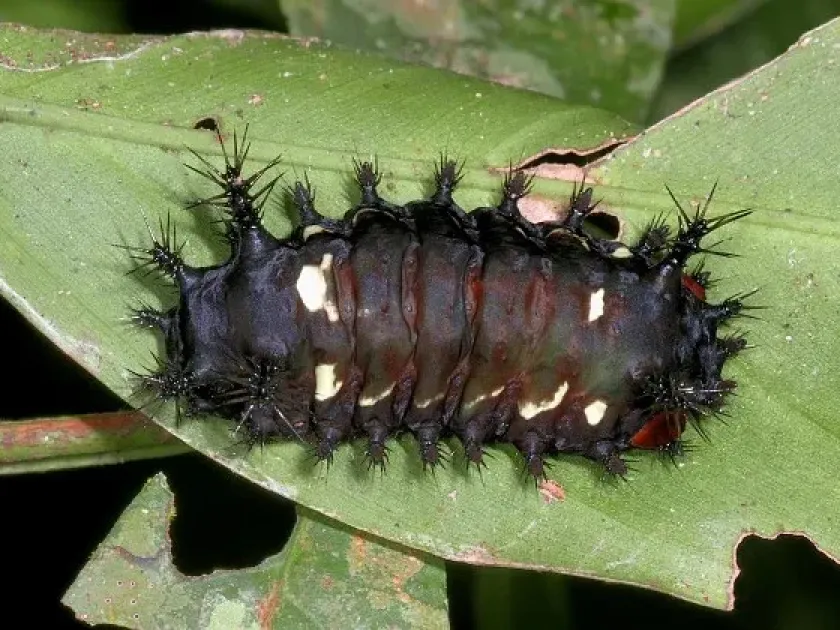
Description
How to identify
Acharia nesea is a species of moth belonging to the family Limacodidae, often referred to as slug moths due to the appearance of their larvae. The larvae possess a smooth, flattened body shape that resembles a slug.
Adult moths are typically nocturnal, making them elusive to spot during regular field inspections. They possess cryptic coloration which allows them to blend into the bark of host trees.
The life cycle encompasses four stages: egg, larva (caterpillar), pupa, and adult. The larval stage is the primary cause of concern for agronomists and landscape managers.
The larvae are known for their distinct coloration patterns, which often serve as an aposematic signal to predators, indicating that they may be distasteful or stinging.
Identification is primarily based on larval morphology and the specific pattern of damage left on the host plant leaves, as adult moths are rarely seen.
What it damages
The larvae feed extensively on the foliage of various woody plants, leading to severe skeletonization. This process disrupts the plant's photosynthetic capability.
In cases of high infestation, Acharia nesea can cause complete defoliation of branches, which significantly stresses the tree and reduces its overall growth vigor.
Young plants are particularly vulnerable, as repeated defoliation events during the growing season can lead to stunted growth or even the death of the sapling.
The feeding wounds left by the larvae can facilitate the entry of secondary pathogens, such as fungi or bacteria, leading to further decay of plant tissues.
The cumulative damage caused by this pest results in decreased harvest yields and diminished aesthetic value for ornamental plantings.
Signs of infestation
The most prominent sign is the presence of skeletonized leaves where the interveinal tissue has been consumed, leaving only the structural framework of the leaf.
Droppings (frass) found on leaves or at the base of the tree are clear indicators of larval activity in the upper canopy, helping to locate the infestation.
Egg masses, typically found on the underside of leaves or on twigs, are a key indicator for early detection before the larvae emerge and start feeding.
Look for tough, compact, shell-like cocoons attached to the branches or trunk, which indicate that the pest has successfully completed its larval stage and is pupating.
Premature leaf drop or yellowing of the foliage in specific areas of the tree can also signal that the plant's vascular integrity has been compromised by insect feeding.
Control measures
Integrated Pest Management (IPM) is essential for controlling Acharia nesea, starting with the close monitoring of plants during the active larval season.
Biological control using microbial insecticides, specifically those containing Bacillus thuringiensis, provides an effective and environmentally friendly solution.
Chemical control involving systemic or contact insecticides should be applied as a last resort, strictly adhering to recommended doses and local safety regulations.
Physical control measures, such as pruning heavily infested branches and physically removing visible larvae or cocoons, can significantly limit population growth.
Promoting a diverse ecosystem that supports natural predators, such as predatory wasps and beetles, helps maintain the pest population below economic injury thresholds.
Taxonomy
- Latin name
- Acharia nesea
- Order
- Lepidoptera (butterflies)
- Family
- Limacodidae
- EPPO code
- SIBINE
Discussion
No discussions yet — be the first.