
Thosea mixta
Thosea mixta
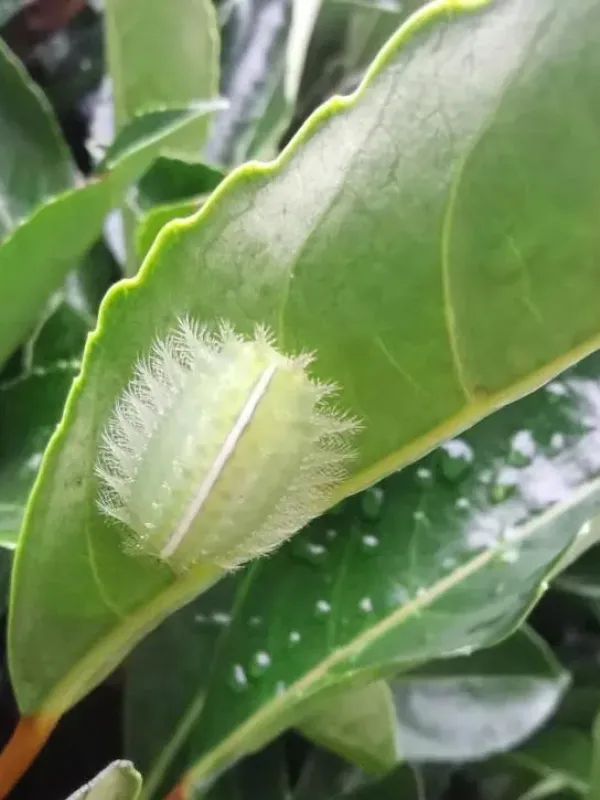
Description
How to identify
Thosea mixta belongs to the Limacodidae family, commonly known as slug caterpillars, within the order Lepidoptera. The adults are small moths with a wing span typical for the family.
The larvae, or caterpillars, are visually distinct, often resembling slugs due to their flattened, oval-shaped bodies. They are often brightly colored, serving as an aposematic signal to potential predators.
The larval skin is covered with specialized spines and hairs that can be venomous. Contact with these structures can cause severe skin irritation and allergic reactions in humans.
Pupation occurs in durable, hardened cocoons usually attached to twigs or the undersides of leaves. These cocoons are oval or circular and often mimic the texture and color of the plant bark.
The life cycle includes the egg, larval, pupal, and adult stages. The reproduction rate and developmental speed are highly dependent on ambient temperature and regional humidity levels.
What it damages
Thosea mixta primarily feeds on the foliage of various woody plants and shrubs. In commercial agriculture, it is known as a significant pest of tea plantations.
Beyond tea, the pest may attack various fruit crops, including citrus, and several ornamental garden plants. Its host range is relatively broad within tropical and subtropical climates.
Larvae feed extensively on leaf blades, starting from the margins or creating irregular holes. In cases of high infestation, they can completely skeletonize the plant, leaving only the veins.
Defoliation reduces the plant's photosynthetic capacity, which directly impacts yield, product quality, and the overall vigor of the plantation.
Weakened plants become significantly more susceptible to secondary fungal infections and infestations by other secondary pests. Severe outbreaks can lead to stunted growth or even plant death in sensitive nursery stock.
Signs of infestation
The first sign of infestation is the presence of ragged leaves with missing tissue. Inspection of the foliage often reveals the larvae, which are expertly camouflaged to match the leaf color.
Hard, brown-grey cocoons found on stems or twigs are a major diagnostic sign. The presence of these cocoons indicates an established population that requires monitoring.
Significant amounts of frass (larval excrement) deposited under the canopy is a clear indicator of active feeding by late-instar larvae, signaling a critical need for intervention.
In cases of heavy infestation, a noticeable rustling sound can be heard from the canopy, caused by the collective feeding activity of the caterpillar population.
Early-stage larvae tend to congregate, making them easier to spot if the underside of the leaves is inspected regularly. As they mature, they disperse, making the infestation more uniform across the plant.
Control measures
Regular monitoring of plantations during the growing season is essential for early detection. Spotting the larvae early allows for localized management before they become widespread.
Mechanical control, such as hand-picking the larvae or pruning branches with cocoons, is effective on smaller scales or at low pest density levels.
Biological control using microbial agents, such as Bacillus thuringiensis, is highly effective against the larvae while maintaining the safety of beneficial pollinators and natural enemies.
In severe infestation scenarios, chemical control using systemic or contact insecticides may be necessary. Always adhere to strict application protocols to ensure safety and minimize chemical residues.
Encouraging natural predators, such as parasitic wasps, is a key component of long-term integrated pest management. Maintaining biodiversity helps keep the population of Thosea mixta below damaging levels.
Taxonomy
- Latin name
- Thosea mixta
- Order
- Lepidoptera (butterflies)
- Family
- Limacodidae
- EPPO code
- THOSMI
Discussion
No discussions yet — be the first.