
Tetyra
Tetyra
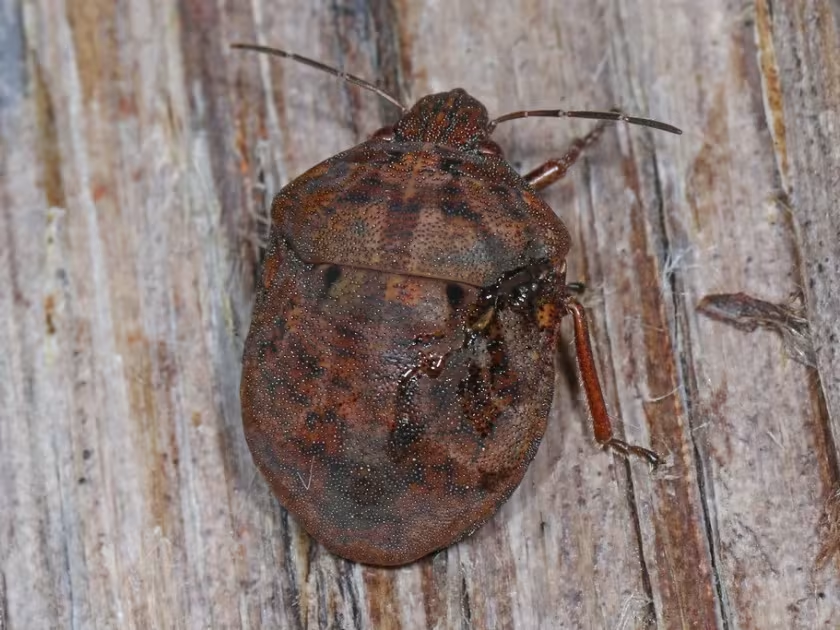
Description
How to identify
Tetyra is a genus of insects belonging to the shield bug family (Scutelleridae) in the order Hemiptera. These insects have a characteristic shield-like body that covers the abdomen and wings.
Adult individuals typically measure between 8 and 12 mm in length, with colors ranging from grey-brown to almost black, providing effective camouflage on debris and bark.
The head features prominent antennae consisting of five segments, which serves as a key diagnostic feature for this specific family.
Nymphs resemble the adults but can be identified by the absence of fully developed wings and less intense coloration of the body.
This genus includes several species primarily found in forest ecosystems but capable of migrating to agricultural lands in search of food sources.
What it damages
These pests feed primarily on plant juices, piercing the soft tissues of young shoots, seeds, and fruits using their specialized proboscis.
Coniferous trees are particularly susceptible to damage, as many Tetyra species specialize in feeding on the sap of young cones.
In field crops, Tetyra can attack cereals by feeding on developing grains, leading to shriveled seeds and significant yield loss.
In orchards, they can damage the fruits of various shrubs, causing deformation and facilitating the entry of fungal diseases at the puncture sites.
The damage is exacerbated by the injection of saliva containing enzymes into the plant tissues, which disrupts the physiological development of the affected parts.
When it appears
The active life cycle of Tetyra begins in early spring as soon as ambient temperatures remain consistently above freezing.
Adults overwinter in protected locations such as leaf litter, soil mulch, or deep crevices in the bark of trees.
Mid-summer is characterized by the mass hatching of nymphs, which begin intensive feeding, coinciding with the rapid growth phase of host plants.
During late summer and autumn, the insects mate and prepare for overwintering, leading to a gradual decline in their population observed on plants.
The life cycle typically includes one generation per year, which limits rapid population explosions but ensures high survival rates of the hardy adults.
Signs of infestation
Visual indicators of an infestation include small, pale spots or puncture marks on the surface of young shoots and developing fruits.
On coniferous trees, a common sign is the premature dropping of stunted or malformed cones due to nutrient depletion.
Cereal crops display signs of necrosis on individual grains within the ear, which is easily visible during a close inspection of the field.
The presence of excrement deposits on the leaves is a strong indicator of high insect density within a specific area.
In areas where large numbers of these bugs congregate, a distinct, unpleasant odor—typical of shield bugs—is often detectable.
Control measures
Cultural control measures focus on the regular removal of plant debris and leaf litter, which serve as overwintering habitats for the bugs.
Maintaining spatial isolation between crop fields and coniferous forests significantly reduces the migration risk of Tetyra.
Biological control involves promoting the presence of natural enemies, such as egg parasitoids like Telenomus species that attack shield bug clutches.
In cases of high infestation, broad-spectrum insecticides may be applied, specifically targeting the early instar nymph stages for maximum efficacy.
Adherence to recommended application timing is crucial, as adult Tetyra often exhibit high resistance to standard chemical treatments.
Taxonomy
- Latin name
- Tetyra
- Order
- Hemiptera (bugs, aphids, leafhoppers)
- Family
- Pentatomidae
- EPPO code
- TETYSP
Discussion
No discussions yet — be the first.