

Geliophos
Longleon Ltd. ( Zhejiang Shipping Group Co.,Ltd. ), Жейянг, Китай
Rodenticides
0
0
·
56
No offers
—
Details
Tenebrio molitor
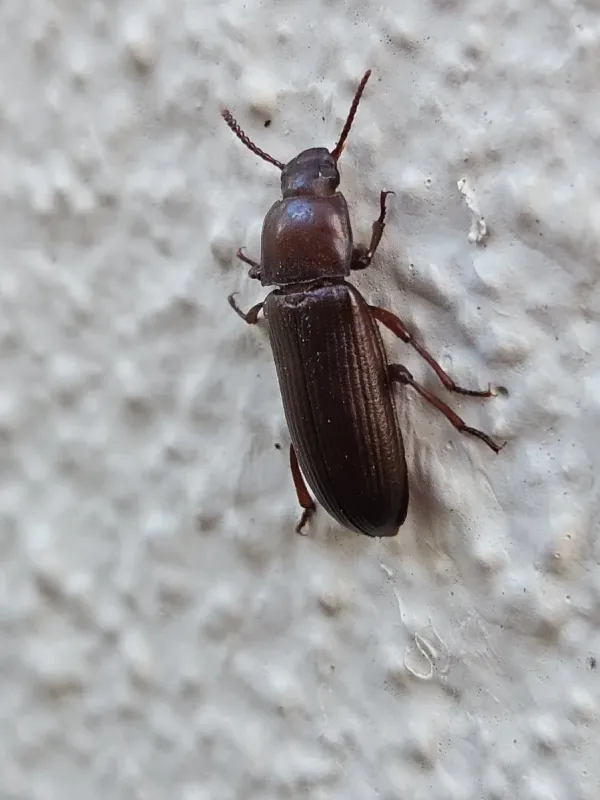
The yellow mealworm (Tenebrio molitor) belongs to the order Coleoptera and the family Tenebrionidae. The adult is a large beetle, typically 12–18 mm long, with a dark brown or black glossy appearance.
The larva, commonly known as the mealworm, grows up to 25–30 mm in length. It features a cylindrical, firm, yellowish-brown body with hardened cuticles that provide significant durability.
The pupa is 15–18 mm long, initially pale in color, and darkens as it matures. The insect undergoes complete metamorphosis, passing through the egg, larval, pupal, and adult stages.
Ideal conditions for development include temperatures between +20 and +25 degrees Celsius and grain moisture levels above 15%. Development slows significantly in cooler environments.
Adult beetles are nocturnal, preferring dark and secluded environments. This behavior often allows populations to establish themselves undetected in grain stores or processing plants.
This species is a significant pest of stored grain products. It consumes flour, bran, cereals, various grains, bread, and pasta products, causing substantial economic loss in storage facilities.
Beyond commercial storage, these insects thrive in organic waste, rotting wood, bird nests, or rodent burrows, where they find necessary nourishment to complete their life cycle.
Larvae are capable of boring into grain kernels, destroying the embryo and making the grain unsuitable for future planting while severely degrading the quality of the harvest.
Mass infestations lead to significant contamination of the product due to the accumulation of feces, larval exuviae, and dead insects, rendering the food unsafe for consumption.
The metabolic activity of a large colony causes grain moisture to rise, which promotes the growth of mold and increases the risk of heating and spoilage of the stored stocks.
An early sign of infestation is the discovery of larvae within the grain or flour bulk, often accompanied by small, dark granular frass left behind by the insects.
The presence of shed larval skins (exuviae) on the surface of flour or grain stocks is a clear indicator that the larvae have reached maturity and are actively molting.
Infested materials often emit a distinct, unpleasant odor caused by the accumulation of insect waste and pheromones, which is especially noticeable in confined spaces.
Visual inspection often reveals holes or nibbled edges on packaging materials like burlap sacks or cardboard, indicating the path of beetles and larvae during feeding.
Sighting adult beetles in grain storage areas during the night is a strong indication of an established infestation that requires immediate pest management intervention.
Strict sanitation practices are the primary method of control, including the regular removal of grain dust, spills, and debris from all machinery and floor crevices in storage areas.
Maintaining proper storage conditions is crucial; keeping grain moisture levels below 14% significantly hinders the reproductive potential of the mealworm population.
If an infestation is detected, fumigation of storage facilities with approved insecticides is necessary, ensuring all safety protocols for food-grade facilities are strictly followed.
Before introducing new stocks, prophylactic disinfestation of empty warehouses and grain containers should be performed to eliminate any potential breeding sites.
No discussions yet — be the first.