
Stathmopoda theoris
Stathmopoda theoris
Description
How to identify
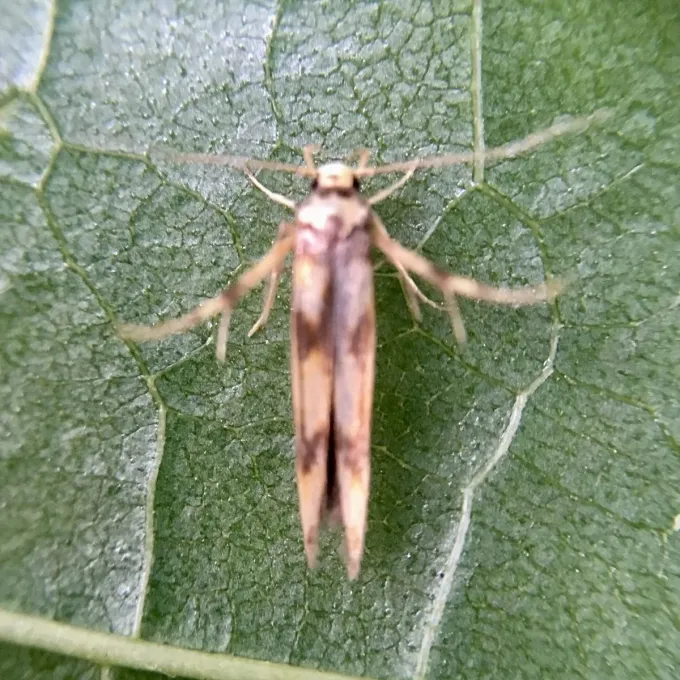
Stathmopoda theoris is a moth species belonging to the Stathmopodidae family. These insects are characterized by their very narrow, elongated wings.
Adult moths are typically small, with a body color ranging from yellowish to brownish, which provides effective camouflage on tree bark or foliage.
The larvae are whitish, sometimes with pinkish tints, and are known for their concealed feeding habits within plant tissues.
The biological cycle follows a complete metamorphosis pattern: egg, larva, pupa, and adult, with larvae being the primary stage causing damage.
Due to their small size and cryptic nature, adult moths are rarely seen, making identification often reliant on the analysis of plant damage.
What it damages
The primary damage is caused by the larvae, which feed on the seeds and inner tissues of the fruit of various legume species, particularly Acacia.
Infestation results in the destruction of seeds, which significantly reduces the yield and viability of the planting material.
In nurseries and forest plantations, Stathmopoda theoris can cause substantial economic loss by compromising the success of acacia cultivation.
The presence of larvae inside the pods facilitates secondary infection by various fungi, further exacerbating the loss of the crop.
Heavy infestations can lead to premature pod drop and overall decline in the reproductive health of the affected plant populations.
When it appears
The activity of this pest is synchronized with the flowering and fruit-setting stages of the host plants, which dictate the seasonal life cycle.
Adult moths typically emerge during the warmer months, coinciding with the availability of suitable oviposition sites on the buds or young pods.
Depending on the climatic conditions, the moth can produce several overlapping generations throughout the growing season.
In greenhouse or nursery environments, the pest can remain active year-round if favorable temperatures and fresh pods are consistently available.
The pupal stage is the most common overwintering form, typically protected by a silken cocoon in the soil or within bark crevices.
Signs of infestation
The most reliable sign of an infestation is the presence of small entry holes on the surface of the legume pods, often difficult to spot at a glance.
Opening the affected pods reveals characteristic larval frass, silken webs, and partially or fully consumed seeds inside the fruit.
Premature yellowing or shriveling of the pods on the branch is a strong indicator that internal damage is occurring due to larval feeding.
Thin silk threads connecting the pods or covering parts of the plant surface indicate active infestation by the larvae.
Deformation of the pods, caused by the localized feeding activity, is another visual symptom that often alerts growers to the presence of the pest.
Control measures
Integrated pest management strategies are essential, starting with the immediate collection and destruction of infested pods to reduce the pest population.
Monitoring the population dynamics using pheromone traps is highly recommended to determine the optimal timing for protective interventions.
- Application of selective insecticides during the peak flight period to prevent larvae from entering the pods.
- Utilizing biological control agents, such as parasitoid wasps, to suppress the moth population naturally.
- Deep cultivation of the soil around host trees to expose and destroy overwintering pupae.
- Quarantine and inspection measures for all seed lots to prevent the spread of the moth to new areas.
Combining cultural practices with chemical or biological treatments ensures better protection of acacia crops against this destructive species.
Taxonomy
- Latin name
- Stathmopoda theoris
- Order
- Lepidoptera (butterflies)
- Family
- Stathmopodidae
- EPPO code
- STATTH
Discussion
No discussions yet — be the first.