
Stathmopoda melanochroa
Stathmopoda melanochroa
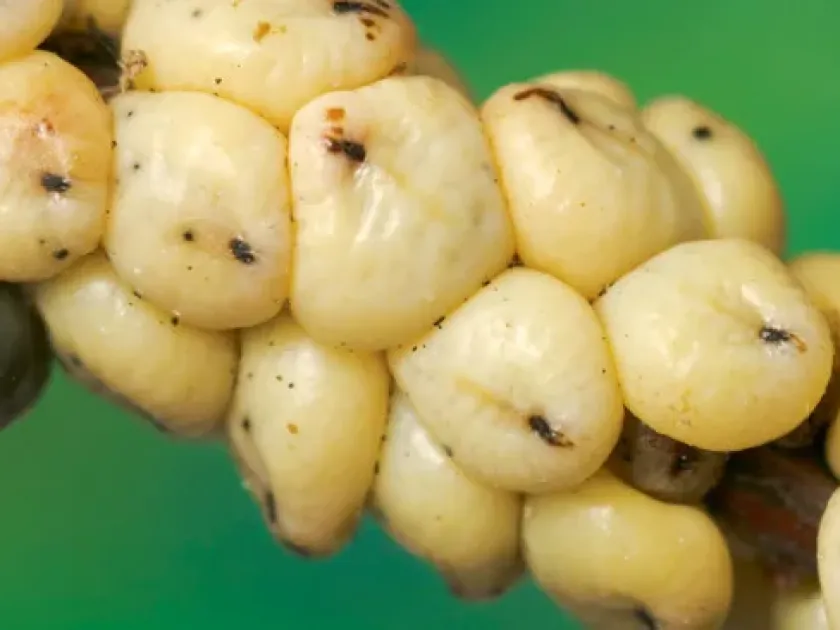
Description
How to identify
Stathmopoda melanochroa is a small moth belonging to the family Stathmopodidae. It is recognized as a significant agricultural pest, particularly in regions where persimmons are cultivated extensively.
The adult moth features narrow, elongate wings and a cryptic coloration that allows it to blend into the bark of fruit trees. It is primarily nocturnal, making it difficult to detect during daylight hours without specialized equipment.
The larval stage is the most damaging phase of the life cycle. The larvae are small, yellowish caterpillars that bore into the developing fruits to feed, effectively destroying the interior of the fruit.
The development cycle consists of complete metamorphosis. Depending on environmental temperatures, the pest can undergo several generations per year, which increases the pressure on the fruit crops.
Identification often requires careful inspection of the orchard during the blooming and early fruit-setting stages, focusing on signs of larval entry on the surface of the small fruits.
What it damages
The primary host for this pest is the persimmon tree. Larvae target the reproductive organs and the fruit, causing direct physical damage that manifests as internal tunnels within the fruit tissue.
Damaged fruits often exhibit signs of premature ripening, discoloration, and eventual abscission. This significantly reduces the marketable yield of the affected orchard.
The presence of larval tunnels promotes the development of secondary fungal infections and rot. This makes the fruits completely unsuitable for fresh market sales or long-term storage.
Economic damage is substantial, as even minor infestations can lead to significant crop loss. Growers face reduced profits due to the high rejection rate of fruit during the sorting and packaging process.
In addition to persimmons, the pest may occasionally infest other related fruit crops, making it a persistent threat in orchards with mixed planting or proximity to wild host species.
Control measures
Effective management requires a multi-faceted approach, starting with integrated pest management (IPM) practices such as monitoring with pheromone traps to identify the timing of adult emergence.
Cultural control is essential. Regularly removing and destroying fallen or damaged fruits prevents the larvae from completing their life cycle and pupating, thus lowering the local pest population density.
Chemical control should be applied strategically during the peak egg-laying period. Using authorized contact and systemic insecticides helps to eliminate larvae before they penetrate the fruit surface.
Biological control, including the use of entomopathogenic nematodes or bacterial-based products like Bacillus thuringiensis, offers a sustainable alternative for protecting the crop while preserving beneficial insect populations.
- Implementation of pheromone trap monitoring.
- Consistent removal and disposal of infested fruit.
- Strategic timing of insecticide applications.
- Promoting natural predators within the orchard.
Taxonomy
- Latin name
- Stathmopoda melanochroa
- Order
- Lepidoptera (butterflies)
- Family
- Stathmopodidae
- EPPO code
- STATME
Discussion
No discussions yet — be the first.