
Wood borer beetle
Stagetus
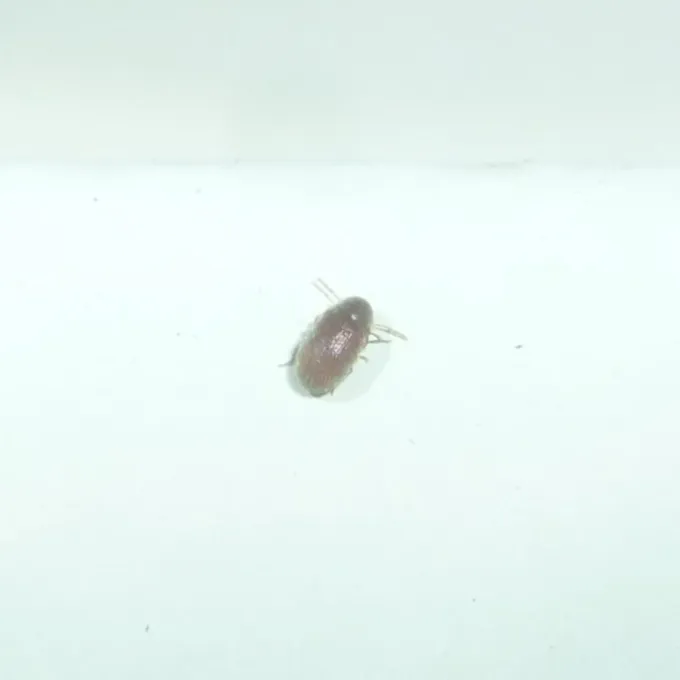
Description
How to identify
The wood borer beetle from the genus Stagetus belongs to the Ptinidae family (formerly Anobiidae) within the Coleoptera order. These are small beetles, typically 2 to 4 millimeters long, characterized by a cylindrical body often covered in fine hairs.
Adults exhibit brown or dark-brown coloration. The head is usually retracted into the pronotum, which gives the insect a distinctive appearance when viewed from above. Larvae are whitish with a curved body and strong mandibles designed for grinding tough plant tissues.
Stagetus species are cosmopolitan but prefer dry substrates. Their life cycle is intrinsically linked to wood or dry plant debris, making them significant pests in both forestry and storage facilities.
Reproduction involves laying eggs in bark crevices, timber ends, or damaged plant stems. A single female can lay dozens of eggs, strategically placing them in hidden locations to ensure the survival of her offspring.
The development follows a complete metamorphosis: egg, larva, pupa, and adult. The duration of this cycle ranges from a few months to two years, depending heavily on environmental conditions and the quality of the food source.
What it damages
The primary damage is caused by larvae, which tunnel deep into wood or plant stems. This activity disrupts the internal structure of the material, leading to significant structural degradation.
This pest attacks various tree species as well as dry stems of herbaceous and medicinal plants. In warehouse settings, wood borers pose a threat to wooden furniture, structural timber, and stored wood products.
In natural environments, Stagetus often infests weakened trees, accelerating their decline. In agriculture, they can damage dry parts of fruit trees if those areas show pre-existing bark wounds or decay.
Affected objects lose their strength and aesthetic value. Larval tunnels become filled with frass (boring dust), which prevents sap flow in living plants or compromises the integrity of structural wood.
In cases of heavy infestation, the pest can reduce solid wood to dust within a short period, rendering the affected items or plants completely unusable or unviable.
Signs of infestation
The first indicator of an infestation is the appearance of small, circular exit holes on the wood surface, approximately 1–2 mm in diameter. Fine wood dust, or frass, may spill from these holes.
A distinctive "ticking" or clicking sound heard from within infested wood often signals larval activity. This is particularly noticeable in quiet environments or during the night.
When inspecting bark, one may notice depressed areas and feeding marks left by larvae beneath the surface layer. Infested branches become fragile and may snap under mechanical pressure.
Accumulations of frass near furniture or around plant trunks are clear signs of recent insect activity or the emergence of adults seeking mates.
The gradual wilting or dieback of individual branches without apparent fungal infections is often a hidden symptom of internal larval boring by this beetle species.
Control measures
The most effective control measure is the removal and burning of heavily infested plant parts and woody debris. Sanitary pruning helps prevent the spread of the population across the orchard.
Applying systemic insecticides is effective during the adult flight period when beetles emerge to mate. Treatments should be repeated every 10–14 days to target subsequent generations.
Good agricultural practice is essential; this includes proper irrigation and fertilization, which enhance the tree's natural defense mechanisms against wood-boring pests.
In indoor environments, fumigation or heat treatment of wood at temperatures above 60 degrees Celsius is highly effective, guaranteeing the destruction of larvae at all developmental stages.
- Use pheromone traps for monitoring adult beetle populations.
- Apply preventive antiseptic coatings to vulnerable wood surfaces.
- Maintain orchard hygiene by removing deadwood that serves as a reservoir for pests.
Taxonomy
- Latin name
- Stagetus
- Order
- Coleoptera (beetles)
- Family
- Ptinidae
- EPPO code
- STGESP
Discussion
No discussions yet — be the first.