
Dorcatoma shigaensis
Dorcatoma shigaensis
Description
How to identify
Dorcatoma shigaensis is a small species of beetle belonging to the family Anobiidae, commonly known as death-watch or spider beetles, within the order Coleoptera.
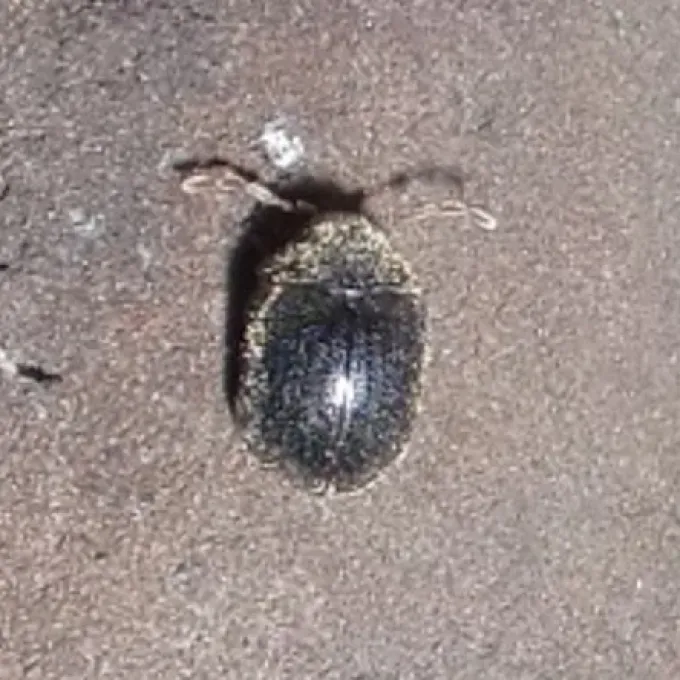
Adult beetles are characterized by a compact, globular body shape and dark coloration, which allows them to blend into their natural environment of bark and fungi.
The larvae are typically cream-colored with a curved body structure, possessing robust mandibles adapted for boring into hardened fungal substrates and decayed wood.
Identification often requires expert analysis of genital morphology and antennal structures, as species within the Dorcatoma genus are morphologically very similar.
The adult beetles are approximately 2–4 mm in length and covered in fine setae (hairs), which protect them and help them navigate their substrate.
What it damages
The primary damage is caused by larvae that consume the internal tissues of bracket fungi (polypores) growing on various deciduous and coniferous tree trunks.
While they primarily target fungi, the beetles can contribute to the degradation of weakened wood that is already suffering from fungal decay or rot.
In forest ecosystems, this species is considered a recycler of organic material, but its presence can serve as a warning sign for tree health issues.
They are generally not categorized as major agricultural pests, but they can infest stored timber or forest products if conditions become favorable for fungal growth.
Extensive larval feeding significantly reduces the structural integrity of fungal bodies, often resulting in their complete disintegration over time.
When it appears
Adult activity for Dorcatoma shigaensis typically peaks during the warm summer months, providing optimal conditions for mating and oviposition.
The life cycle is closely synchronized with the growth of their fungal hosts, which provide both nutrition and protection for developing larvae.
Pupation occurs within prepared chambers inside the fungal substrate, where the beetle undergoes its metamorphosis before emerging as an adult.
Overwintering usually takes place in the larval or adult stage, protected inside the decaying wood or fungal fruit bodies from severe winter temperatures.
The length of the development cycle can vary based on the microclimate, with faster generation turnover observed in warmer or more humid environmental conditions.
Signs of infestation
A key indicator of an infestation is the presence of numerous small, circular exit holes on the surface of fungal fruiting bodies.
Accumulations of "frass" or fine wood-and-fungal dust near the site of infestation indicate active larval feeding and development inside the material.
Dissecting a suspect fungal bracket may reveal a network of tunnels packed with debris, which is a telltale sign of Anobiid infestation.
The overall weakening or pulverization of the fungal body is another observation that suggests long-term activity of these wood-boring insects.
During the peak season, adults can sometimes be spotted on the surface of bark or near infested fungi during their active evening hours.
Control measures
The most effective management strategy involves the removal and destruction of infested wood and fungi to prevent further spread of the beetle population.
Maintaining high sanitary standards in forests and plantations by clearing dead or diseased wood helps limit the availability of breeding sites for the pest.
Controlling environmental humidity is essential to prevent the growth of the bracket fungi that Dorcatoma shigaensis requires for reproduction.
In cases of infestation, biological control measures targeting the fungi themselves can indirectly suppress beetle populations by reducing their food supply.
Regular forest health monitoring programs are recommended to track the presence of these beetles and ensure trees remain healthy and resilient against fungal attacks.
Taxonomy
- Latin name
- Dorcatoma shigaensis
- Order
- Coleoptera (beetles)
- Family
- Ptinidae
- EPPO code
- DORMSH
Discussion
No discussions yet — be the first.