
Eurostus
Eurostus
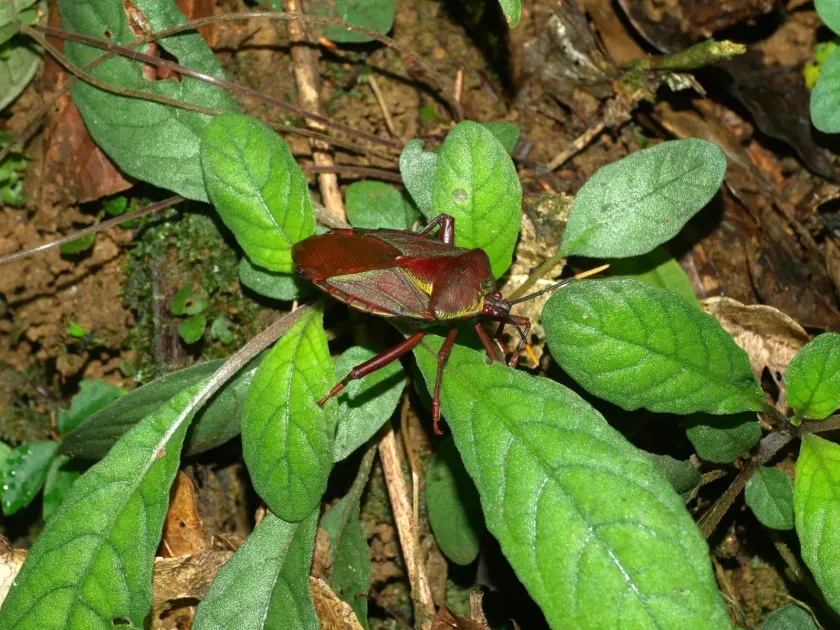
Description
How to identify
Eurostus is a genus of weevils (Curculionidae) known to impact cereal crops. These beetles are characterized by their snout-like head and robust, oval-shaped bodies protected by dense chitinous armor.
Typically dark in color, ranging from brown to black, their surface may be covered with small scales or fine hairs. These features often serve as a camouflage against the soil and plant debris in the field.
The larvae are typically C-shaped, legless, and white or creamy in color. They possess a well-developed, chitinized head and strong mandibles designed for feeding within plant tissues.
Classification of this genus relies on the examination of specialized morphological features, including the structure of the rostrum and legs, which are consistent with the Curculionidae family.
Identifying Eurostus in the field is challenging due to their cryptic nature. They often hide in leaf whorls or beneath soil particles, making them easy to overlook during casual crop inspections.
What it damages
The primary hosts of Eurostus include various cereal grains such as wheat, barley, and rye. They are known to infest both cultivated fields and wild grasses located on the periphery of agricultural lands.
Adult beetles damage plants by consuming the leaves, leaving irregular holes and margins. In the reproductive stages, they may attack the wheat heads, directly reducing grain yield and quality.
Larval damage occurs internally, as they feed on the stems or roots of the plants. This feeding pattern disrupts the plant's vascular system, leading to stunted growth, yellowing, and potential lodging.
The most critical damage occurs during the tillering and stem elongation phases. During this time, the plant is highly susceptible to stress, and pest-induced injury can significantly impact final productivity.
Additionally, the feeding wounds create entry points for secondary infections, including fungal pathogens, which further weaken the crop and may lead to widespread disease outbreaks in the field.
When it appears
Adult beetles emerge from their overwintering sites in early spring as soil temperatures rise. This activity often coincides with the onset of winter cereal growth.
The life cycle is largely dependent on local weather conditions. Warm and stable spring temperatures trigger mating and oviposition, leading to the rapid development of the population.
During the peak of summer, many individuals may enter a state of dormancy, or aestivation, due to extreme heat and dry conditions, hiding within the soil profile.
A second, less intensive peak of activity may occur in the autumn. This is when individuals feed actively to build up reserves for the upcoming winter season.
Winter survival occurs in sheltered spots, such as soil crevices, crop residues, or forest edges adjacent to cereal fields, where the beetles remain inactive until the following spring.
Signs of infestation
The most prominent sign of Eurostus presence is the occurrence of uneven holes on leaves. These are easily distinguishable from the smoother cuts made by caterpillars.
Stunted growth or wilting of the tillers often indicates that larvae are present in the stem or at the root zone. In severe cases, the entire plant may show signs of yellowing.
Visual observation during early morning hours may reveal adults sitting on the stems. They are highly sensitive to movement and drop to the ground upon sensing disturbance.
Accumulation of insect frass, appearing as small dark pellets on the leaves or the soil surface, is a diagnostic indicator of active feeding colonies.
- Irregular holes on leaf blades.
- Yellowing and premature drying of tillers.
- Overall decrease in plant population density.
- Visible adults on the upper parts of plants in the morning.
Control measures
Crop rotation is the most effective cultural practice to manage Eurostus populations. By alternating cereals with non-host crops, the pest's cycle is disrupted.
Deep fall tillage is recommended to destroy overwintering sites and expose beetles to adverse weather conditions and natural predators.
If economic thresholds are met, the application of systemic insecticides is necessary. Treatment should target the early stages of infestation to prevent widespread damage.
Maintaining clean field borders by eliminating weeds and crop volunteers helps reduce the reservoir of pests that can migrate into the main crop area.
Integrated Pest Management (IPM) strategies, including regular field monitoring and scouting, enable targeted applications, which minimize environmental impact and costs.
Taxonomy
- Latin name
- Eurostus
- Order
- Coleoptera (beetles)
- Family
- Ptinidae
- EPPO code
- EURUSP
Discussion
No discussions yet — be the first.