
Spercheus
Spercheus
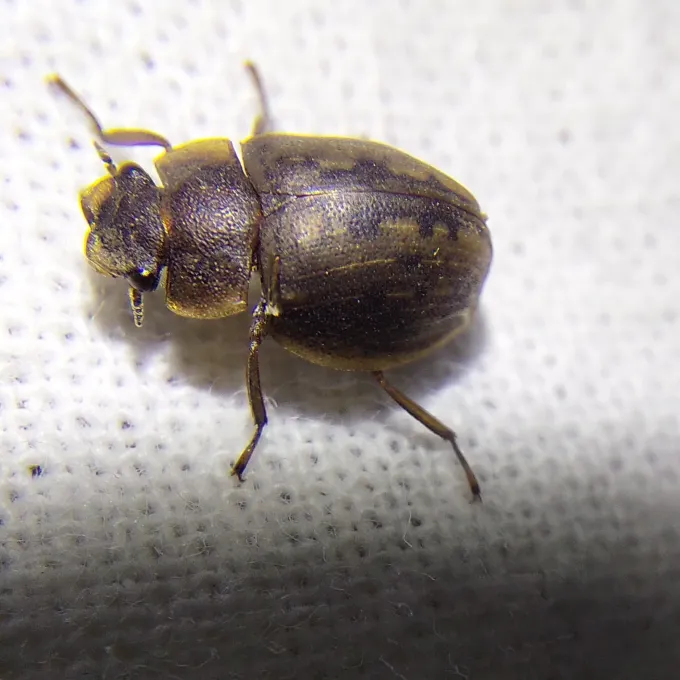
Description
How to identify
The genus Spercheus belongs to the family Spercheidae, within the superfamily Hydrophiloidea of the order Coleoptera. These beetles are highly specialized for life in aquatic environments and damp soil margins.
Adult beetles are typically 4–7 mm long with a convex body shape. Their surface is covered with fine, dense hairs that trap a layer of air, allowing them to breathe while submerged.
A distinctive biological trait of this genus is that females carry their egg cocoons attached to the ventral side of their abdomen until the larvae emerge.
The larvae possess well-developed dorsal and lateral processes on their body segments, which provide camouflage and stability when attached to aquatic vegetation.
Their life cycle is strictly tied to shallow water, irrigation channels, or wetlands, where they find both food and protection from terrestrial predators.
What it damages
While not a major agricultural pest on a global scale, the Spercheus beetle can cause significant damage to young rice plants in flooded fields.
The larvae are the primary damaging stage, as they feed on the soft tissues of seedlings, often stripping the epidermis of leaves near the water line.
Damage to the growth points and young leaves results in stunted development, which significantly impacts the overall yield potential of the crop.
Adults also contribute to the damage by feeding on roots or submerged stems, weakening the plant's structural integrity.
Heavy infestations can lead to substantial plant loss, creating gaps in the field and increasing the risk of secondary infections, such as bacterial or fungal rot.
When it appears
The activity of the beetle begins in early spring as water temperatures rise, creating ideal conditions for reproduction and larval development.
Adults hibernate in mud or submerged plant debris, emerging as soon as the environment warms up sufficiently in the spring months.
Egg-laying occurs primarily in late spring, coinciding with the early stages of rice planting when soft seedlings are abundant.
The larval stage lasts for several weeks, depending on water temperature and the availability of suitable aquatic food sources.
By late summer, the population typically declines as adults seek out overwintering sites in the substrate to survive the cold season.
Signs of infestation
Signs of infestation include irregular holes or stripped epidermal tissue on the leaves of young plants right at the water surface level.
Observation of the water surface may reveal adult beetles moving upside down beneath the surface film, which is a classic behavior for this group.
Larvae can be found by carefully examining submerged leaves and stalks, where they appear as small, spiky organisms clinging to the vegetation.
A general lack of vigor, yellowing of leaves, or poor establishment of the crop can be indirect indicators of larval feeding activity on the roots.
Empty spaces in a flooded field are often the most noticeable sign of a severe outbreak that has destroyed the initial seeding stand.
Control measures
The most effective management tool is the precise control of water levels in irrigation systems, as periodic drying of the soil inhibits the beetle's development.
Maintaining clean borders around fields and removing excess weeds from irrigation channels reduces the population reservoir of the pest.
Biological control using naturally occurring entomopathogenic fungi can significantly reduce larval numbers without the use of harsh chemicals.
When insecticide application is required, it must be performed with specialized products approved for aquatic environments to protect biodiversity.
Implementing crop rotation and site sanitation after harvest helps disrupt the lifecycle of the beetle, preventing build-up in future seasons.
Taxonomy
- Latin name
- Spercheus
- Order
- Coleoptera (beetles)
- Family
- Hydrophilidae
- EPPO code
- SPCHSP
Discussion
No discussions yet — be the first.