
Cercyon unipunctatus
Cercyon unipunctatus
Description
How to identify
Cercyon unipunctatus is a species of beetle belonging to the family Hydrophilidae, commonly known as water scavenger beetles, which are typically found in organic-rich habitats.
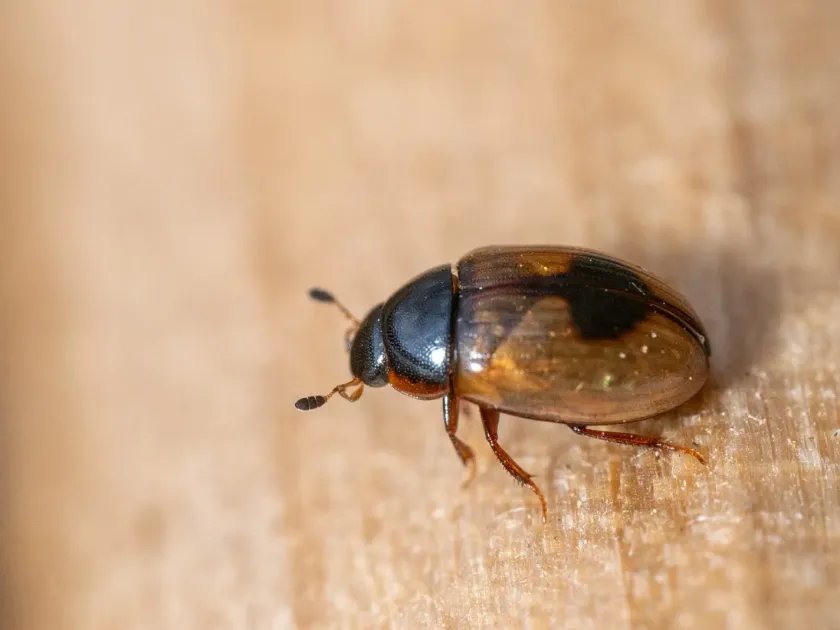
The adult beetle is small, usually reaching 3 to 4 mm in length, with an oval, convex body that appears dark brown or blackish in color.
A distinctive morphological trait of this species is the presence of a specific single spot (or lighter colored area) on the posterior part of the elytra, which helps in field identification.
The larvae possess an elongated body structure adapted for movement within damp organic matter and soil where they feed on decomposing plant tissues.
Adults are capable fliers, which facilitates their dispersal across agricultural landscapes, especially those characterized by high soil humidity and organic debris accumulation.
What it damages
While often associated with decay, Cercyon unipunctatus can become a pest when it shifts its feeding habits to tender vegetable seedlings in moist agricultural environments.
The primary damage occurs when adult beetles feed on the stems of young plants, creating lesions that weaken the structural integrity of the seedlings.
This feeding behavior makes young plants susceptible to wilting and death, especially in greenhouse conditions where constant moisture promotes higher beetle activity.
Mechanical damage caused by these insects often acts as a portal for secondary pathogens, leading to bacterial rot or fungal infections in the root zone.
In high-density populations, these beetles can cause significant economic losses by reducing the plant stand and delaying the growth of horticultural crops.
When it appears
The active season for Cercyon unipunctatus begins in early spring, as temperatures rise and the soil begins to thaw, allowing adults to emerge from hibernation.
Peak population activity typically occurs during the late spring and early summer months, coinciding with the seedling stage of most seasonal vegetable crops.
During the summer, activity is influenced by soil moisture levels; excessive drought may force the beetles to congregate in irrigated fields or drainage systems.
As autumn approaches, the beetles prepare for overwintering, seeking shelter deep within the soil or beneath thick layers of unharvested organic material.
In protected cultivation environments, such as greenhouses with climate control, the lifecycle can progress more rapidly, potentially resulting in multiple generations per year.
Signs of infestation
The first signs of infestation include unexpected wilting of young seedlings despite adequate irrigation, indicating potential root or stem damage.
Closer inspection of the plant base reveals small necrotic punctures or surface scarring caused by the beetle's chewing mouthparts.
The presence of fine galleries or softened tissues at the base of the plant often indicates that the larvae are active in the surrounding soil or growing medium.
An unpleasant odor of organic decomposition around the plants is a common secondary indicator of high pest density and associated decay processes.
Presence of the adult beetles can be confirmed by inspecting the soil surface after watering, as individuals often move towards the surface in response to moisture.
Control measures
Integrated pest management strategies are essential, starting with the strict removal of crop residues and organic waste from the field to eliminate breeding sites.
Improving soil drainage is critical to reducing the moisture levels that attract this species to the planting area.
Biological control options, such as the application of entomopathogenic nematodes or fungi, can be effective in reducing larval populations in the soil.
If chemical intervention is necessary, targeted soil or base-of-stem treatments using approved insecticides can help mitigate severe outbreaks.
- Implementing crop rotation to disrupt the beetle's lifecycle.
- Keeping the area around the base of plants free from weeds and debris.
- Monitoring soil moisture levels in nurseries and greenhouses regularly.
Taxonomy
- Latin name
- Cercyon unipunctatus
- Order
- Coleoptera (beetles)
- Family
- Hydrophilidae
- EPPO code
- CCYNUN
Discussion
No discussions yet — be the first.