
Spathosternum
Spathosternum
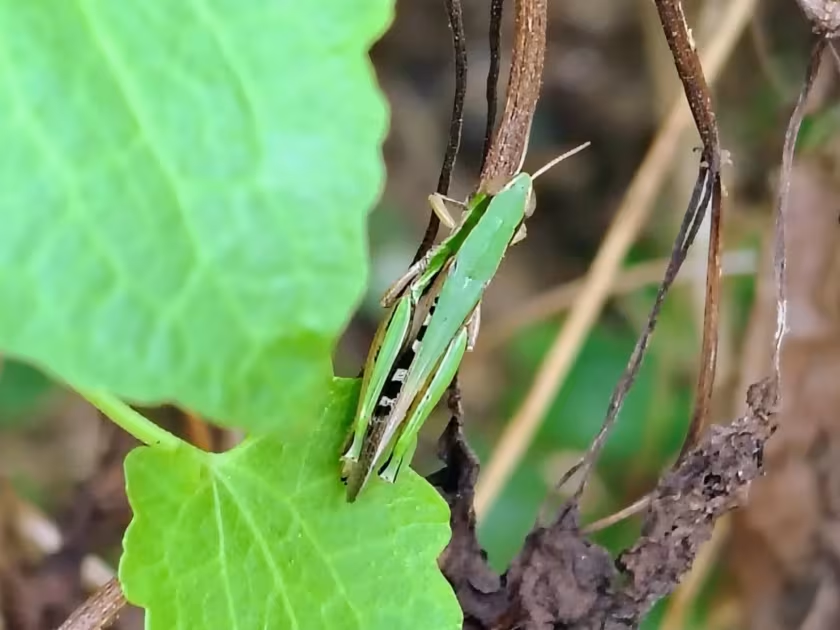
Description
How to identify
Spathosternum is a genus of insects belonging to the family Acrididae, commonly known as grasshoppers. These pests are characterized by a slender, elongated body shape that provides excellent camouflage within dense grass or cereal crop fields.
Adult grasshoppers in this genus typically exhibit green or brownish color patterns, which allow them to blend seamlessly with the foliage of their host plants. Their powerful hind legs enable them to jump significant distances, making them difficult to capture or observe.
The life cycle follows a pattern of incomplete metamorphosis, consisting of the egg, nymph, and adult stages. Females deposit eggs in clusters within the soil, encased in a protective substance called an egg pod, which shields the offspring from environmental stressors.
Nymphs emerge from the soil and begin feeding immediately, resembling smaller, wingless versions of the adults. As they undergo several molts, their wing pads develop, and they gradually attain their full size and reproductive capabilities.
Spathosternum is primarily found in tropical and subtropical regions. They thrive in humid environments and are frequently encountered in rice paddies, marshes, and alongside grassy meadows where moisture is consistently available.
What it damages
The primary host plants for Spathosternum include rice and various species of wild grasses. Both nymphs and adults possess chewing mouthparts that are highly efficient at consuming plant leaf tissue.
Feeding damage is typically observed along the edges of leaves, where the insects scrape away the tissue. This results in ragged, irregular leaf margins that reduce the plant's photosynthetic capacity and stunt overall growth.
In cases of heavy infestation, these grasshoppers can cause severe defoliation, stripping plants of their foliage. Such extensive feeding significantly weakens the crops, often preventing them from producing healthy grains or seeds.
Beyond direct mechanical injury, the damaged leaf tissue provides an entry point for various secondary pathogens, including fungi and bacteria. These infections can exacerbate the loss of plant health and lead to further yield reductions.
Young, developing crops in the tillering phase are particularly susceptible to damage. Sustained feeding at this sensitive stage can lead to substantial loss of stand and may necessitate replanting or intensive remedial action.
Control measures
Management of Spathosternum requires an integrated pest management approach that combines cultural, biological, and chemical control methods. The first line of defense is the regular removal of weeds in and around fields to eliminate alternative food sources.
Water management is a highly effective control measure in paddy agriculture. Adjusting irrigation levels to briefly flood or dry out the soil can disrupt the egg-laying and nymphal stages of the grasshopper's development within the soil surface.
Chemical control should be employed only when pest populations exceed the economic threshold. Targeted applications of selective insecticides can mitigate the impact on non-target beneficial insects, such as natural predators and parasitoids.
Enhancing natural biological control is essential for long-term sustainability. Encouraging the presence of insectivorous birds and utilizing entomopathogenic fungi can help maintain grasshopper populations at sub-damaging levels.
Regular field scouting using sweep nets and light traps is crucial for early detection. Monitoring helps identify localized outbreaks before they spread across the entire crop, allowing for precision management and reduced chemical usage.
Taxonomy
- Latin name
- Spathosternum
- Order
- Orthoptera (locusts)
- Family
- Acrididae
- EPPO code
- STHSSP
Discussion
No discussions yet — be the first.