
Solubea
Solubea
Description
How to identify
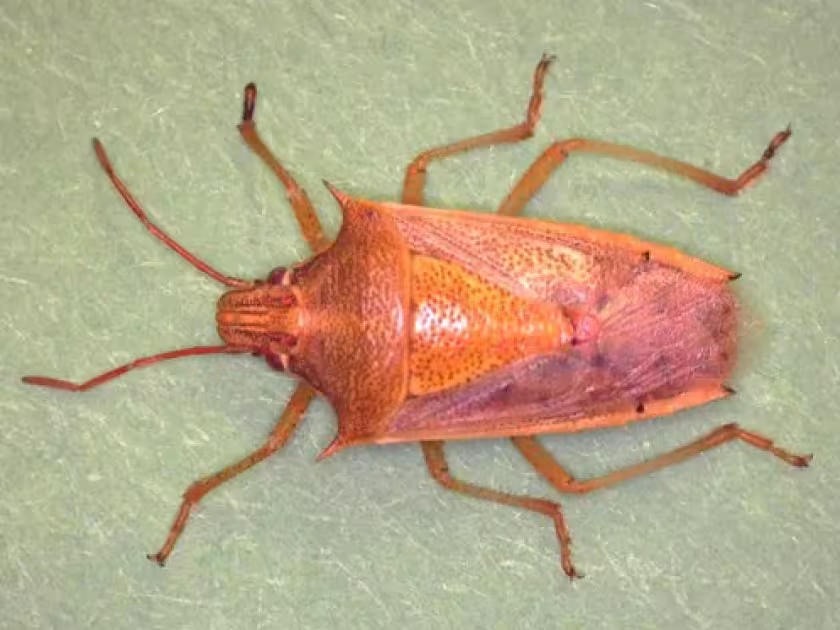
Solubea is a genus of insects belonging to the Pentatomidae family, commonly known as stink bugs, characterized by their distinct shield-like body shape.
Adult bugs typically measure between 8 and 12 millimeters in length and possess a flattened body structure that enables them to hide in narrow spaces on plants.
Their coloration is generally variable, ranging from light green to brownish hues, which acts as effective camouflage against the foliage of their host plants.
They are equipped with a piercing-sucking mouthpart designed for penetrating plant tissues, specifically the seeds and grains, to extract vital nutrients.
The life cycle includes an incomplete metamorphosis, with nymphs resembling miniature, wingless versions of the adults as they progress through several developmental stages.
What it damages
Solubea is recognized as a polyphagous pest, with a particular preference for damaging cereals, rice, and various legume crops during the grain-filling stage.
By injecting enzymes into the seed, the bug causes tissue necrosis, leading to dark spots, shriveled grains, and a significant decrease in overall yield weight.
Beyond physical damage, the punctures created by the pest facilitate the entry of secondary pathogens, such as fungi and bacteria, leading to rot in the heads.
Severe infestations can lead to substantial economic losses, as damaged grain is often rejected or downgraded due to poor quality and diminished nutritional value.
The feeding process depletes the plant's resources, which can weaken the entire crop, making it more susceptible to environmental stresses and secondary diseases.
When it appears
The activity of Solubea is highly dependent on temperature, usually beginning in the spring when overwintering adults emerge from sheltered locations.
They typically overwinter as adults in leaf litter, debris, or under the bark of trees, waiting for the weather to warm up sufficiently to initiate their reproductive cycle.
During the growing season, multiple generations may be produced, meaning that crops are under continuous threat from early development through to the harvest stage.
Peak population densities are often recorded during the hottest months when the development of seeds and grains provides an abundant food source for the bugs.
As temperatures drop in the autumn and food sources become scarce, the pests move toward their hibernation sites to survive the cold winter months.
Signs of infestation
Visible signs of infestation often appear as small, discolored spots on the surface of seeds or grains, which are the direct result of the bug's piercing mouthparts.
Observing the plants closely often reveals the bugs resting on the stems or under leaves, particularly during the cooler parts of the day when they are less mobile.
- Distorted or misshapen grains are a classic indicator of feeding damage.
- Yellowing and wilting of plant parts are common in areas of heavy infestation.
- The presence of cast-off nymphal skins on leaves confirms an active local population.
In many cases, the presence of these bugs is accompanied by secondary fungal infections, which manifest as darkened or moldy areas on the grain heads.
The overall crop appearance may seem stunted, reflecting the significant physiological stress caused by the withdrawal of cellular fluids by the pests.
Control measures
Effective management of Solubea requires a holistic approach, starting with good agricultural practices like thorough cleaning of fields after harvest to remove debris.
Weed control is essential, as these plants serve as alternative hosts and refuge areas for the bugs during the times when primary crops are not available.
The use of chemical insecticides should be targeted and based on consistent field monitoring to ensure that control measures are applied only when thresholds are exceeded.
Biological control, focusing on the preservation and augmentation of natural egg parasitoids, can be a sustainable way to keep population numbers in check.
Integrating these methods into a comprehensive pest management plan is the most reliable way to minimize the impact of Solubea and protect the agricultural harvest.
Taxonomy
- Latin name
- Solubea
- Order
- Hemiptera (bugs, aphids, leafhoppers)
- Family
- Pentatomidae
- EPPO code
- SOLUSP
Discussion
No discussions yet — be the first.