
Solenopotes
Solenopotes
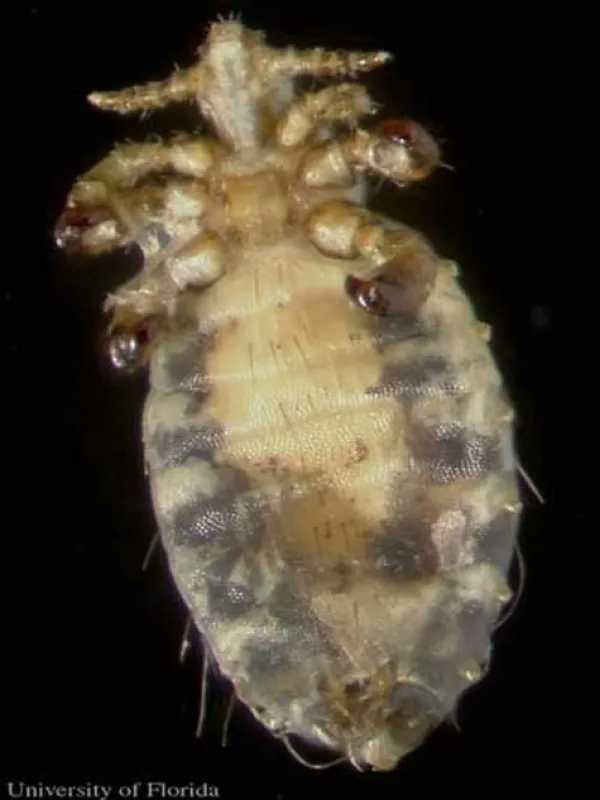
Description
How to identify
Solenopotes is a genus of blood-sucking lice belonging to the order Phthiraptera and the family Linognathidae. These small, wingless insects are obligatory ectoparasites of mammals, particularly cattle.
The morphology of an adult louse includes a flattened body, a small head equipped with piercing-sucking mouthparts, and robust tarsal claws designed for gripping animal hair firmly.
Their life cycle is completed entirely on the host animal and consists of three stages: egg (nit), nymph, and adult. The entire development process from egg to sexually mature adult takes approximately three to four weeks.
Females cement their eggs onto the hair shafts near the skin using specialized secretions. A single female can produce dozens of eggs, leading to a rapid population buildup within a herd.
These parasites are highly host-specific, preferring to reside in areas with thinner skin or where the hair coat provides protection from the external environment and grooming behavior.
What it damages
Solenopotes lice feed exclusively on the blood of their host. This constant blood-feeding causes direct damage to the physiological health of the cattle.
The infestation induces severe itching, leading to restless behavior. Animals rub against fences, feed troughs, and walls, resulting in skin abrasions and secondary bacterial infections.
Milk production in dairy cattle decreases significantly due to the stress and physical exhaustion caused by the parasites. Beef cattle show stunted growth and poor weight gain.
Chronic infestation often leads to anemia, especially in young or immunocompromised animals. This condition makes the cattle more susceptible to other infectious diseases and nutritional deficiencies.
The economic impact involves both the direct costs of veterinary treatments and the loss of productivity, as well as potential damage to the quality of hides.
When it appears
The activity of Solenopotes is closely linked to housing conditions. Infestations typically peak during the autumn and winter months when cattle are kept in confined indoor settings.
High animal density in indoor pens facilitates the transmission of lice between individuals through physical contact. Poor ventilation and high humidity further support the survival of the parasites.
As spring approaches and cattle are moved to pastures with more exposure to sunlight and better airflow, the overall louse population on the animals naturally declines.
However, small numbers of lice can persist year-round, particularly in poorly maintained facilities where debris and hair provide favorable microclimates.
Proactive monitoring during the transition to winter housing is crucial to identifying infestations before they escalate into herd-wide problems.
Signs of infestation
Restlessness and the desire to scratch are the earliest clinical signs of a Solenopotes infestation in a herd.
- Presence of nits attached to the base of hair shafts.
- Clusters of lice on specific body regions like the neck, brisket, and tail base.
- Inflamed skin, crusts, and scabs resulting from constant scratching.
- Dull, matted, or disheveled hair coat.
- Visible hair loss (alopecia) in severely infested areas.
Control measures
Management of Solenopotes relies on the use of insecticidal treatments, including pour-on formulations, sprays, or systemic agents that kill the parasites upon feeding.
It is essential to treat all animals in the herd simultaneously to prevent re-infestation from asymptomatic carriers within the group.
Sanitation of the housing environment is vital. Regularly cleaning pens of accumulated hair and organic matter reduces the refuges available to the lice.
Good animal husbandry practices, including proper nutrition and regular grooming, help maintain a healthy coat and strengthen the animal's natural resistance to parasites.
Always adhere to the withholding periods specified for chemical treatments to ensure the safety of milk and meat products destined for human consumption.
Taxonomy
- Latin name
- Solenopotes
- Family
- Linognathidae
- EPPO code
- SOLNSP
Discussion
No discussions yet — be the first.