
Long-nosed cattle louse
Linognathus vituli
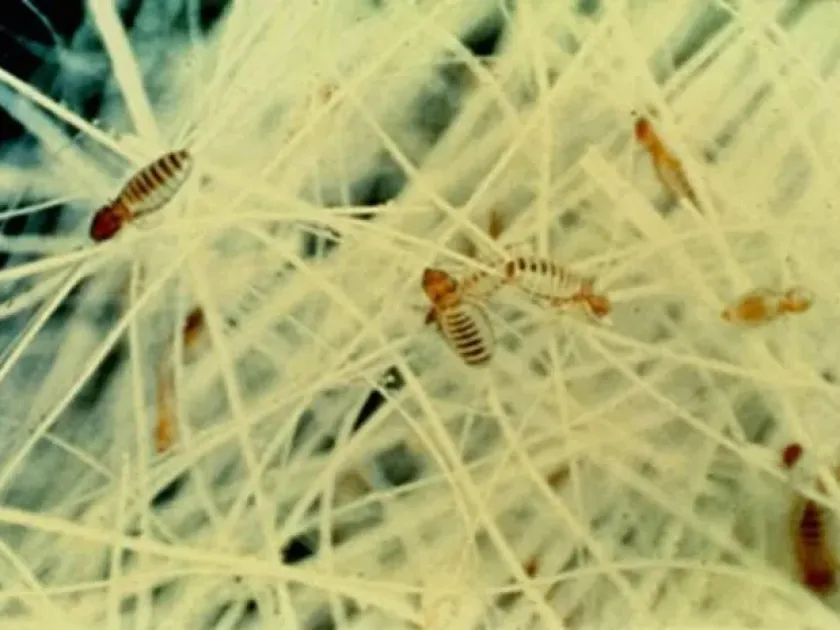
Description
How to identify
The long-nosed cattle louse (Linognathus vituli) is a blood-sucking insect belonging to the order Phthiraptera. It is a highly specialized parasite that exclusively feeds on cattle.
The name of this louse comes from its distinctively long and narrow head. Adult individuals are generally about 2 to 2.5 millimeters in length and have a dark gray or bluish-brown body color.
The life cycle of the parasite consists of the egg stage (nits), three nymph stages, and the adult stage. The entire transformation from egg to mature insect occurs on the host's body.
Optimal development conditions are provided by the thick hair coat and warmth of the cattle, allowing the cycle to complete in approximately three to four weeks.
To identify the presence of this louse, farmers should carefully inspect the animal's neck, dewlap, and areas around the eyes, often requiring the use of a magnifying glass.
What it damages
This louse causes pediculosis in cattle, which is a significant health concern in livestock farming. It primarily impacts the overall thriftiness and economic output of the animal.
Young calves are particularly susceptible to severe infestations, which can lead to stunted growth and weakened immune responses in the early stages of their development.
While the louse does not attack crops, its impact on the dairy and beef industry is substantial due to reduced weight gain and lower milk production in infested cows.
The parasite creates puncture wounds on the skin, causing intense irritation and discomfort, which may lead to secondary bacterial skin infections if left untreated.
Constant biting and blood consumption by large populations of these lice result in anemia, weight loss, and general lethargy in the affected livestock.
Signs of infestation
The most evident sign of infestation is persistent itching. Cattle will frequently rub against fences, troughs, and other structures to relieve the irritation.
Visual inspection often reveals patches of hair loss (alopecia) and matted fur, caused by the animal's constant grooming or rubbing attempts to alleviate the itching.
Visible skin lesions, scabs, and sores are common, which are the direct result of mechanical trauma inflicted by the animal scratching its own skin against rough surfaces.
If the animal is examined closely, clusters of lice and small, whitish-colored nits can be found attached firmly to the hair follicles, particularly in sheltered body areas.
Affected cattle often appear restless, stressed, and may show signs of poor coat quality, which is often the first indicator for a producer to conduct a thorough check.
Control measures
Management of the long-nosed cattle louse involves the application of appropriate veterinary insecticides, including pour-on treatments, sprays, or systemic injections.
It is essential to perform a second application after about two weeks, as most insecticides do not effectively kill the eggs; a second treatment ensures the new hatchlings are eliminated.
Good management practices include maintaining high standards of barn hygiene, disinfecting grooming equipment, and providing optimal nutrition to keep the animals' immune systems strong.
Quarantining new arrivals and conducting routine health screenings, especially during the winter months, are critical steps in preventing the spread of the parasite.
- Utilize registered veterinary parasiticides according to the manufacturer’s instructions.
- Ensure the entire herd is treated simultaneously to prevent re-infestation.
- Monitor animals regularly during housing seasons when lice populations tend to peak.
Taxonomy
- Latin name
- Linognathus vituli
- Family
- Linognathidae
- EPPO code
- LINOVI
Discussion
No discussions yet — be the first.