
Pied shieldbug
Sehirus bicolor
Description
How to identify
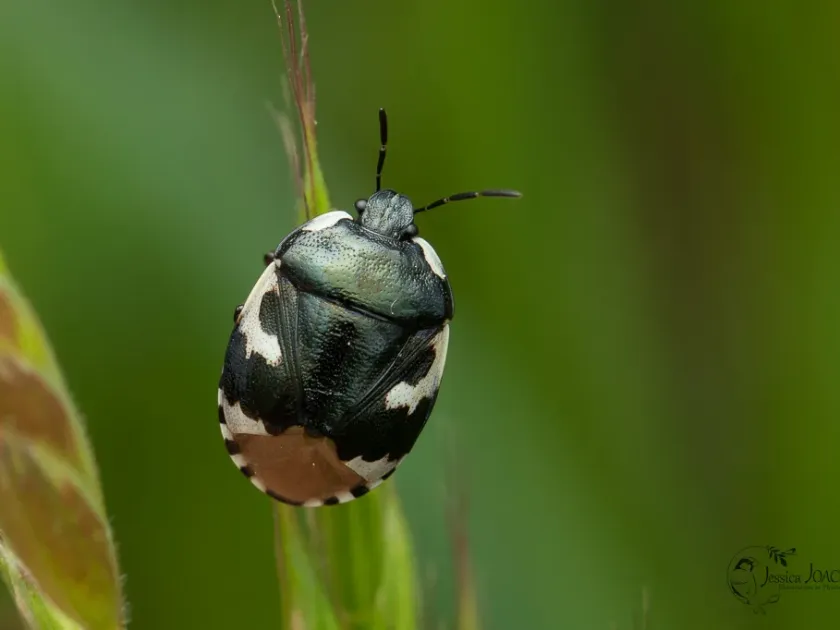
The pied shieldbug (Sehirus bicolor) is a member of the Cydnidae family. It is easily recognized by its striking, high-contrast coloration, featuring a black body with distinct white markings along the margins of the wing covers.
Adult insects typically measure about 6 to 7 mm in length. Their body is oval-shaped and has a polished, firm appearance. The head is small and triangular, equipped with piercing-sucking mouthparts used to feed on plant sap.
Nymphs go through several developmental stages, resembling the adults but lacking fully developed wings. They often exhibit a lighter, brownish-red color during their younger instars before maturing into their distinctive black-and-white phase.
These insects are typical inhabitants of temperate regions, preferring ground-level habitats. They are equipped with scent glands that release a defensive odor when they feel threatened, which is a key identification feature for this species.
The species overwinters in the adult stage. During the cold months, they seek shelter in the soil, under leaf litter, or within dense vegetation residues to survive the winter before emerging in early spring.
What it damages
The primary hosts of the pied shieldbug are plants within the Lamiaceae family, particularly white dead-nettle (Lamium album) and other related wild weeds that provide the necessary nutrients for their development.
In agricultural settings, these bugs can sometimes migrate to cultivated plants. Berries, such as strawberries, are particularly vulnerable when bugs feed on developing flower stalks and young fruit, causing metabolic stress to the plants.
The damage caused by feeding is manifested as a loss of vigor in the plant. When populations reach high levels, the sustained withdrawal of nutrients can significantly stunt growth and lead to reduced agricultural yields.
Damage is often localized, as the insects prefer the base of the plant or the underside of leaves, where the microclimate is more favorable for their survival and allows them to avoid direct sunlight.
Beyond direct feeding damage, the microscopic wounds caused by the bug's proboscis serve as entry points for secondary pathogens, potentially leading to bacterial or fungal infections in the host tissues.
Signs of infestation
The most common sign of infestation is the physical presence of adult bugs or their nymphs on the stems of Lamiaceae plants or near the soil surface. They are often spotted during routine weeding or soil cultivation.
On leaves, you may observe small, yellowish-white discolored spots where the bugs have pierced the tissue to extract sap. Over time, these spots can coalesce, leading to necrotic areas or premature leaf yellowing.
In strawberries, a key sign is the deformation of flower stalks and irregular fruit development. The berries may be small, malformed, or exhibit poor shelf life due to early-stage nutrient depletion.
The presence of a pungent, unpleasant odor in areas where these bugs congregate is a distinct indicator of their activity, especially during the peak of their spring and early summer reproductive cycle.
Spring scouting of wild dead-nettle patches is an effective way to detect early infestations. If high numbers of pied shieldbugs are found on weeds, they may soon move to nearby horticultural crops.
Control measures
Effective management begins with the targeted removal of host weeds, especially white dead-nettle, from the vicinity of gardens to eliminate the primary food source that supports their population.
Cultural practices such as autumn soil turning and the removal of garden debris significantly reduce the number of overwintering sites, which helps keep the population in check for the following season.
Chemical intervention should be considered only as a last resort, using targeted insecticides authorized for the specific crop, strictly following safety labels to avoid harming non-target beneficial insects.
Biological control, including the encouragement of natural predators such as birds and carnivorous insects, can help maintain a balance within the garden ecosystem and suppress shieldbug outbreaks.
- Maintain clear borders around garden plots to prevent weed migration.
- Apply mulching to limit the bug's ability to reach the base of stems.
- Monitor the population using visual traps or sticky cards early in the season.
Taxonomy
- Latin name
- Sehirus bicolor
- Order
- Hemiptera (bugs, aphids, leafhoppers)
- Family
- Cydnidae
- EPPO code
- SEHIBI
Discussion
No discussions yet — be the first.