
Scythropia
Scythropia
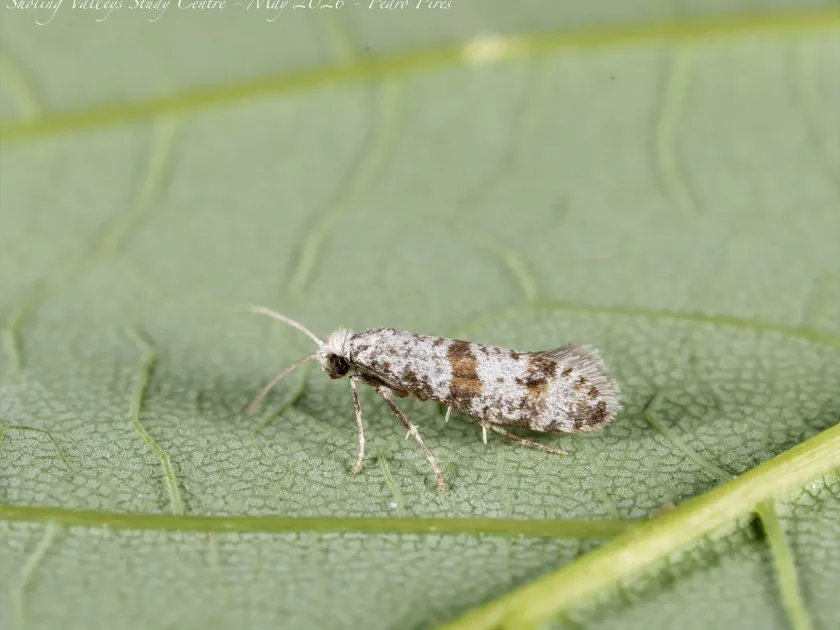
Description
How to identify
Scythropia is a genus of moths belonging to the Yponomeutidae family (ermine moths). These small insects are characterized by their narrow wings and specific patterns often seen in various species within the order Lepidoptera.
The life cycle of Scythropia involves four distinct stages: egg, larva (caterpillar), pupa, and adult (imago). Understanding this metamorphosis is essential for timing interventions, as different life stages show different levels of vulnerability.
Larvae are known for their social behavior, constructing distinct silken webs on branches. This web provides both shelter and a food source platform, which is a key diagnostic feature for field identification.
Adults are typically nocturnal, which often leads to the underestimation of their population density during daylight inspections. Their flight periods vary depending on the local climate and seasonal temperature patterns.
Precise species identification within the genus often requires technical examination of morphological traits, as adult moths can be easily mistaken for other common ermine moth species found in temperate regions.
What it damages
This pest primarily targets trees and shrubs. The caterpillars feed on leaves, often skeletonizing them or causing complete defoliation if the infestation is severe enough to overwhelm the plant's recovery capacity.
A wide range of host plants, including various pome and stone fruit trees, can be affected. In many cases, ornamental shrubs and wild tree species also serve as hosts, maintaining the pest population in the landscape.
The loss of foliage directly impacts the tree's photosynthetic capability, leading to reduced carbon assimilation. This stress eventually impacts fruit yield, sugar content, and the overall vigor of the host plant.
Repeated defoliation over several years can result in significant dieback of branches, making the trees more susceptible to secondary pathogens and further environmental stresses like drought or winter cold.
In nursery settings, Scythropia infestation is particularly damaging as it stunts the growth of young saplings, rendering them unfit for sale and causing direct financial losses to the grower.
Signs of infestation
The most prominent sign of a Scythropia infestation is the presence of silk nests spun around the leaves and twigs of host plants. These nests grow in size as the caterpillars develop and consume more foliage.
Visual evidence of feeding includes leaves that have been partially eaten or reduced to thin, skeletal networks of veins. This destruction is often concentrated within the area of the silken nests.
Frass (larval excrement) accumulation within or below the silken webs is a clear indicator that the colony is actively feeding and growing, marking the need for immediate pest management action.
During the pupation stage, cocoons can often be found attached to the bark or within folded, webbed leaves, serving as a secondary visual cue for the presence of the moth in the garden.
A general decline in tree canopy health, combined with premature leaf drop during the summer months, often indicates that a colony has been feeding in the upper canopy for some time.
Control measures
Manual removal of silken nests is highly effective for small-scale operations or when the infestation is detected early. This physical approach eliminates the larvae before they can cause widespread damage.
Biological control using microbial insecticides, such as those derived from Bacillus thuringiensis (Bt), is a preferred method for managing larvae without harming beneficial insects or the environment.
Chemical control should be reserved for cases where economic thresholds are exceeded. Targeting the younger larval stages is crucial for achieving high control efficacy and minimizing chemical usage.
Encouraging natural predators, such as parasitic wasps and predatory beetles, can help stabilize the population of Scythropia and prevent it from reaching outbreak levels in the long term.
- Implement pheromone monitoring to track adult moth activity.
- Perform regular sanitary pruning to remove overwintering sites.
- Apply control measures precisely when larvae are in their early instars.
Taxonomy
- Latin name
- Scythropia
- Order
- Lepidoptera (butterflies)
- Family
- Yponomeutidae
- EPPO code
- SCYOSP
Discussion
No discussions yet — be the first.