
Scyllinops pallida
Scyllinops pallida
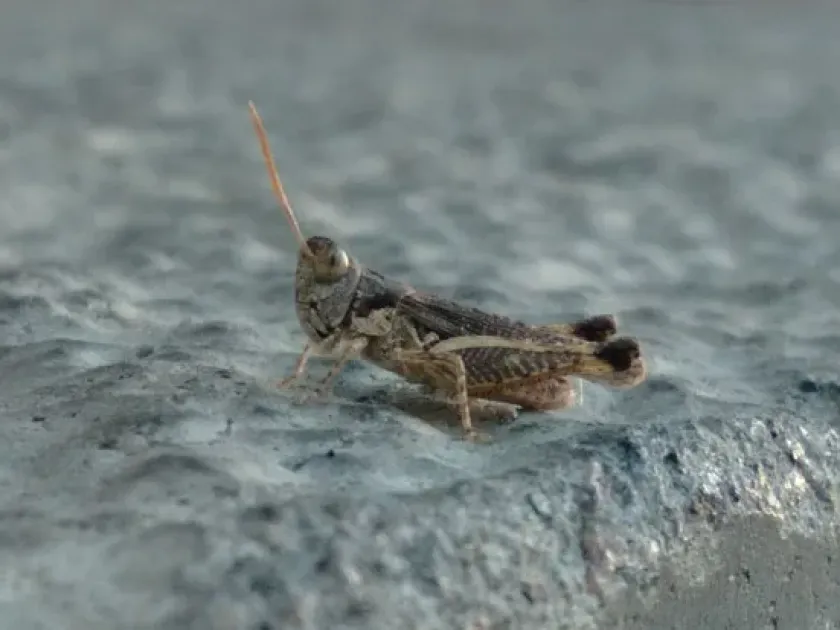
Description
How to identify
Scyllinops pallida is a species of grasshopper belonging to the family Acrididae, recognized in agricultural entomology as a potential pest for various grain crops.
The adult insect displays typical morphological features of locusts and grasshoppers, with a robust body and elongated hind legs adapted for jumping.
Their coloration typically ranges from pale yellow to light brown, providing effective camouflage against dry vegetation and soil typical of their habitat.
Adults possess functional wings, enabling them to migrate over significant distances in search of optimal food sources when local resources become scarce.
The mouthparts are of the chewing type, highly effective at consuming plant tissue, which allows them to strip foliage from susceptible host plants rapidly.
What it damages
The primary hosts of Scyllinops pallida include a wide range of cereal crops, such as wheat, barley, and oats, which are essential for agricultural productivity.
Both nymphs and adults feed on leaves, often starting from the edges and progressing inward, which significantly reduces the photosynthetic capacity of the plant.
In cases of high infestation, the pest can consume tender shoots and stems, which stunts growth and may lead to total yield loss in severely affected patches.
Feeding injuries often compromise the plant's overall health, making it significantly more susceptible to secondary infections by fungal and bacterial pathogens.
Besides commercial crops, they exploit wild grasses, which often serve as reservoirs where populations thrive before moving into cultivated areas.
When it appears
The life cycle begins in spring when nymphs emerge from eggs overwintered in the soil, triggered by rising temperatures and appropriate moisture levels.
Development proceeds through several nymphal stages, during which the insect increases in size and matures its wing pads before the final adult molt.
Peak activity and damage potential usually occur during the warmer summer months, correlating with the rapid growth phase of host agricultural crops.
As autumn approaches, adult females lay eggs in the soil, which enter a state of diapause, ensuring survival through the cold winter season.
Favorable weather conditions, particularly hot and dry periods, accelerate the reproductive cycle and can lead to rapid outbreaks of the population.
Signs of infestation
The most visible sign of infestation is ragged or notched leaf edges, often accompanied by patches of foliage that have been partially or entirely consumed.
Field observation reveals the presence of jumping insects, especially when walking through crops, which indicates the population density of the pest.
Accumulation of insect frass (droppings) on the leaves and soil surface is a clear indicator that the pests are actively feeding within the specific area.
Stunted plant growth and visible thinning of the crop stand are common indicators that the pest pressure has exceeded a tolerable threshold.
- Ragged leaf margins and defoliation
- Presence of jumping adults in the field
- Accumulation of frass on leaves
- Yellowing and drying of damaged shoots
Control measures
Agricultural practices, such as deep autumn plowing, are highly effective in disrupting the egg-laying sites and reducing the overwintering survival rate.
Biological control options, including the use of entomopathogenic fungi, provide a sustainable alternative for managing populations during the early stages.
When monitoring indicates a population above the economic injury level, chemical insecticides should be applied, focusing on high-risk field borders.
Implementing effective weed management strategies significantly reduces the alternate host plants that support the pest throughout the growing season.
Strategic crop rotation and the maintenance of field sanitation help minimize the establishment of persistent pest colonies in agricultural zones.
Taxonomy
- Latin name
- Scyllinops pallida
- Order
- Orthoptera (locusts)
- Family
- Acrididae
- EPPO code
- SCYLBR
Discussion
No discussions yet — be the first.