
Scolopendra polymorpha
Scolopendra polymorpha
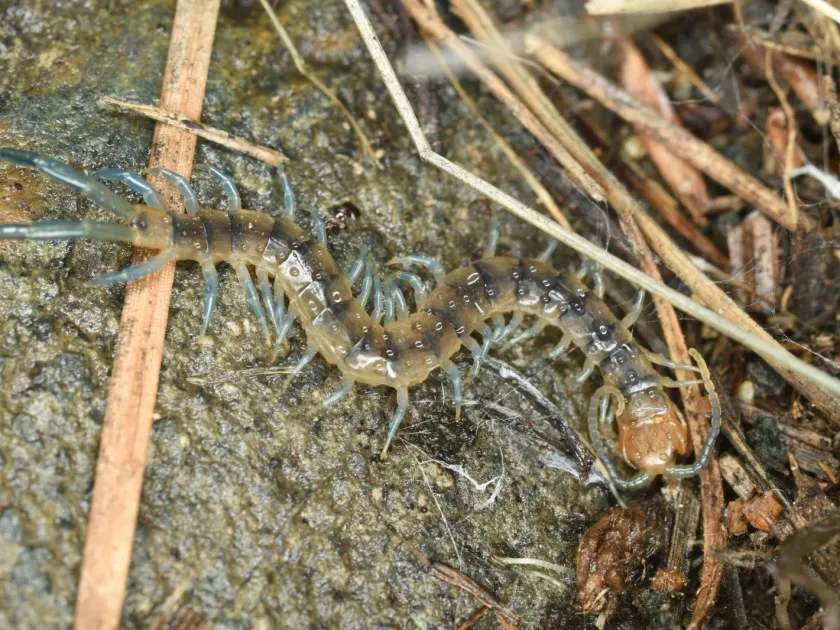
Description
How to identify
Scolopendra polymorpha, commonly known as the common desert centipede, belongs to the order Scolopendromorpha and the family Scolopendridae.
This predatory arthropod can reach a length of up to 15 centimeters and is characterized by a segmented body with a distinctive yellowish-brown coloration.
It possesses powerful forcipules (venomous claws) connected to poison glands, which are primarily used for hunting prey but can deliver a painful bite.
Each body segment bears a pair of legs, enabling the centipede to move with high agility across diverse terrains and climb effectively.
They are primarily nocturnal, preferring dark, moist microhabitats, which makes them hard to detect during standard daytime farm inspections.
What it damages
While Scolopendra polymorpha is primarily a predator of other soil organisms, it can cause secondary damage to agricultural plants during its foraging.
The centipede often gnaws through tender stems and young seedlings in greenhouses, creating entry points for opportunistic soil-borne pathogens and fungi.
By burrowing through the soil around plant roots, they can disturb the root architecture, leading to plant stress and reduced nutrient uptake efficiency.
In containerized plant production, their activity can cause the soil substrate to shift, negatively affecting delicate root systems of young vegetables.
High populations of these centipedes in nurseries can cause significant mechanical damage to delicate plant tissues in their quest for moisture and prey.
When it appears
The activity cycle of Scolopendra polymorpha is strictly dictated by soil moisture and temperature levels throughout the growing season.
They are most active during the warmer months, typically from late spring through late summer, when irrigation is frequently applied to crops.
During hot, arid spells, they retreat deep into the soil or congregate in highly humid environments like mulch piles or under greenhouses.
In the autumn, as temperatures drop, these centipedes seek shelter in structures, including storage sheds, greenhouses, and compost facilities.
Their life cycle involves multiple molting stages, which usually coincide with the period of high availability of soil prey, requiring steady energy intake.
Signs of infestation
Signs of infestation include irregular, mechanical gnawing marks on the base of stems, often mistaken for rodent damage.
The presence of shallow tunnels and disturbed soil around the base of plants is a common indication of nocturnal foraging activity.
Fine granular droppings left near the base of affected plants often suggest a higher concentration of centipedes in the immediate area.
Unexplained wilting of individual plants, despite sufficient watering, often points to subterranean root damage caused by these predators.
Visual confirmation of the centipedes during evening irrigation or by lifting mulch materials is the most reliable way to identify an infestation.
Control measures
Effective management requires strict adherence to soil moisture control and regular cultivation to disrupt the subterranean habitats of the centipedes.
Sanitation is critical: remove all organic debris, piles of stones, and wood, which serve as primary daytime nesting sites for these arthropods.
In greenhouse settings, ensure that drainage is optimal to prevent the creation of highly humid zones that favor centipede survival.
- Utilize fine-mesh barriers around vulnerable planting beds.
- Implement mechanical traps or sticky traps in areas of suspected activity.
- Apply soil treatments with registered insecticides only when populations exceed damage thresholds.
Maintaining a clean, well-drained, and regularly tilled environment is the most sustainable approach to preventing Scolopendra polymorpha outbreaks.
Taxonomy
- Latin name
- Scolopendra polymorpha
- Family
- Scolopendridae
- EPPO code
- SCOEPO
Discussion
No discussions yet — be the first.