
Common roach
Rutilus rutilus
Description
How to identify
The common roach (Rutilus rutilus) is a freshwater fish belonging to the family Cyprinidae. In certain agricultural ecosystems, specifically in rice paddies, it can act as a nuisance species affecting crop establishment.
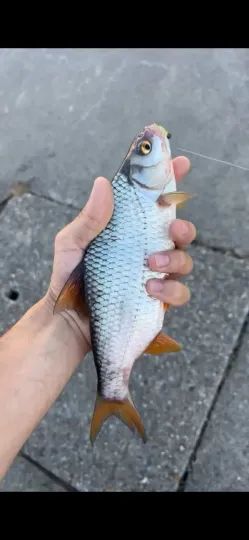
Physically, the roach is identified by its silvery body, reddish eyes, and bright orange-red fins, making it easy to distinguish from other local fish species.
This species is highly plastic and adaptable, allowing it to quickly colonize artificial water systems and flooded areas adjacent to commercial fields.
Biologically, the roach shows high tolerance to variable oxygen levels, which enables it to thrive in the shallow, stagnant waters of rice irrigation systems.
It prefers warm environments with abundant vegetation, which coincides with the flooding and planting stages of various aquatic crops, including rice.
What it damages
The roach causes significant damage in rice cultivation by feeding on freshly sown rice seeds, leading to sparse germination and the need for replanting.
Beyond seed consumption, the fish disturbs the root systems of young seedlings, uprooting them while searching for benthic organisms in the mud.
Increased water turbidity caused by the movement of schools of roach hinders photosynthesis, which is critical for the initial growth phase of young rice plants.
Furthermore, roach activity can lead to the structural degradation of irrigation banks and dams, resulting in water loss and infrastructure repair costs.
In large populations, the cumulative impact of these fish can reduce the total yield of a rice paddy by causing uneven plant distribution and stunted development.
When it appears
The period of peak harmful activity coincides with the spring flooding of fields and the initial seeding phase, which is when the crop is most vulnerable.
Spawning often occurs in the flooded zones where rice is planted, as the fish use submerged vegetation as a substrate for their eggs.
As the season progresses and the rice plants strengthen their root systems, the direct damage inflicted by the roach tends to decrease in intensity.
By autumn, the fish typically migrate toward deeper channels and permanent water bodies as they prepare for winter, ending their interaction with the crop.
In cases of extreme climate conditions or poor water management, roach populations may remain in irrigation channels longer, continuing to damage infrastructure.
Signs of infestation
The primary symptom of roach presence is the sudden appearance of bare patches in a newly flooded rice field, indicating where seeds have been consumed.
Visual confirmation of fish activity, such as ripples and flashes of orange fins at the surface, suggests a high population density within the irrigation system.
Signs of uprooted seedlings with damaged root structures indicate feeding behavior that differs significantly from insect-related crop failure.
Persistent, unexplained water turbidity during calm weather is a strong indicator of schooling fish foraging along the bottom of the paddy.
Evidence can also be confirmed through necropsy of fish caught in the irrigation channels, where remains of rice seeds may be found in their digestive tracts.
Control measures
The most effective strategy is the installation of fine-mesh screens or gratings at water inlets to prevent the migration of roach from supply canals into the paddies.
Drainage management, such as short-term field drying, can effectively push fish out of the rice fields and reduce their opportunity to cause damage.
Deploying sonic or light-based deterrents at main water entry points can disrupt the fish's movement and discourage them from entering sensitive areas.
Routine maintenance of irrigation channels, including the removal of excess aquatic weeds, reduces the shelter available for roach and limits their population growth.
- Installing mesh filters on intake pipes.
- Implementing strategic field drainage cycles.
- Clearance of debris and weeds from supply channels.
Taxonomy
- Latin name
- Rutilus rutilus
- Family
- Cyprinidae
- EPPO code
- RUTIRU
Discussion
No discussions yet — be the first.